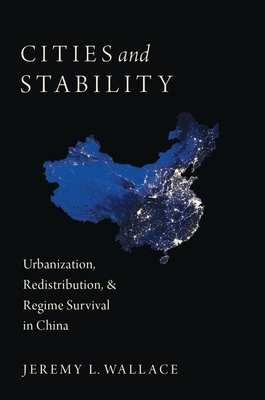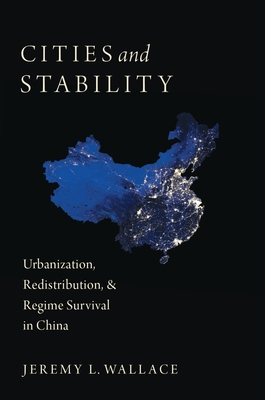
Cities and Stability : Urbanization, Redistribution, and Regime Survival in China
Book Details
Format
Paperback / softback
ISBN-10
0199378991
ISBN-13
9780199378999
Publisher
Oxford University Press Inc
Imprint
Oxford University Press Inc
Country of Manufacture
GB
Country of Publication
GB
Publication Date
Aug 7th, 2014
Print length
264 Pages
Weight
354 grams
Dimensions
23.60 x 15.60 x 1.70 cms
Product Classification:
Asian historyMarxism & CommunismPolitical structures: democracyEconomic growth
KSh 7,450.00
Temporarily out of stock, due soon
0 in stock
Delivery Location
Delivery fee: Select location
Secure
Quality
Fast
Cities and Stability examines the threats that large cities pose to authoritarian regime survival and the ways that regimes respond to those threats, particularly focusing on China's management of urbanization through its household registration (hukou) system.
Cities bring together masses of people, allow them to communicate and hide, and to transform private grievances into political causes, often erupting in urban protests that can destroy regimes. The Chinese Communist Party (CCP) has shaped urbanization via migration restrictions and redistributive policy since 1949 in ways that help account for the regime''s endurance, China''s surprising comparative lack of slums, and its curious moves away from urban bias over the past decade. Cities and Stability details the threats that cities pose for authoritarian regimes, regime responses to those threats, and how those responses can backfire by exacerbating the growth of slums and cities.Cross-national analyses of nondemocratic regime survival link larger cities to shorter regimes. To compensate for the threat urban threat, many regimes, including the CCP, favor cities in their policy-making. Cities and Stability shows this urban bias to be a Faustian Bargain, stabilizing large cities today but encouraging their growth and concentration over time.While attempting to industrialize, the Chinese regime created a household registration (hukou) system to restrict internal movement, separating urban and rural areas. China''s hukou system served as a loophole, allowing urbanites to be favored but keeping farmers in the countryside. As these barriers eroded with economic reforms, the regime began to replace repression-based restrictions with economic incentives to avoid slums by improving economic opportunities in the interior and the countryside. Yet during the global Great Recession of 2008-09, the political value of the hukou system emerged as migrant workers, by the tens of millions, left coastal cities and dispersed across China''s interior villages, counties, and cities. The government''s stimulus policies, a combination of urban loans for immediate relief and long-term infrastructure aimed at the interior, reduced discontent to manageable levels and locales.
Get Cities and Stability by Jeremy Wallace at the best price and quality guaranteed only at Werezi Africa's largest book ecommerce store. The book was published by Oxford University Press Inc and it has 264 pages.
Customers Who Bought This Also Bought

From Third World to First
KSh 3,200.00
Breakneck
KSh 4,500.00

India After Gandhi
KSh 4,850.00

Anarchy
KSh 2,700.00

On China
KSh 3,400.00
Apostles of Development
KSh 5,600.00
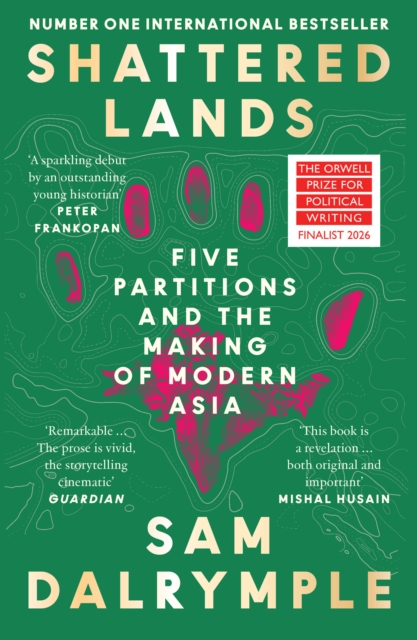
Shattered Lands
KSh 2,000.00
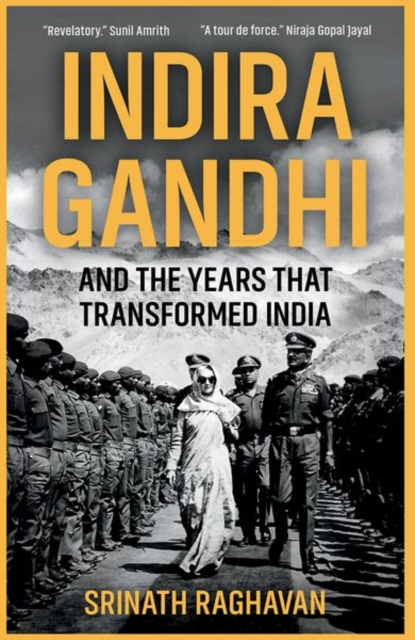
Indira Gandhi and the Years that Transformed India
KSh 5,050.00
India: A Wounded Civilization
KSh 2,000.00
Shattered Lands
KSh 3,200.00

Games without Rules
KSh 2,900.00

Ghost Nation
KSh 3,950.00