
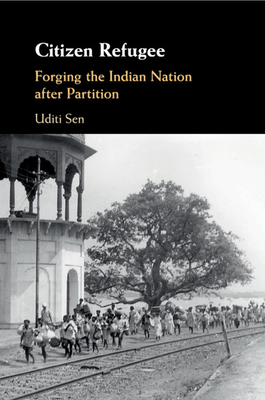
Citizen Refugee : Forging the Indian Nation after Partition
by
Uditi Sen
Book Details
Format
Paperback / softback
ISBN-10
1108441092
ISBN-13
9781108441094
Publisher
Cambridge University Press
Imprint
Cambridge University Press
Country of Manufacture
GB
Country of Publication
GB
Publication Date
Aug 27th, 2020
Print length
304 Pages
Weight
444 grams
Dimensions
15.10 x 22.90 x 2.00 cms
Product Classification:
EnglishBengali20th century, c 1900 to c 1999Later 20th century c 1950 to c 1999Asian historyPostwar 20th century history, from c 1945 to c 2000National liberation & independence, post-colonialismRefugees and political asylumRefugees & political asylumHistoryAsian historyNational liberation and independence
KSh 6,300.00
Currently unavailable
0 in stock
Delivery Location
Delivery fee: Select location
Secure
Quality
Fast
Uditi Sen explores how partition refugees were used as agents of nation-building in post-colonial India. Utilising archival records and oral histories, Sen analyses official policies towards Hindu refugees, and their own perspectives 'from below'. This book expands our understanding of popular politics and citizenship in post-partition India.
This innovative study explores the interface between nation-building and refugee rehabilitation in post-partition India. Relying on archival records and oral histories, Uditi Sen analyses official policy towards Hindu refugees from eastern Pakistan to reveal a pan-Indian governmentality of rehabilitation. This governmentality emerged in the Andaman Islands, where Bengali refugees were recast as pioneering settlers. Not all refugees, however, were willing or able to live up to this top-down vision of productive citizenship. Their reminiscences reveal divergent negotiations of rehabilitation ''from below''. Educated refugees from dominant castes mobilised their social and cultural capital to build urban ''squatters'' colonies'', while poor Dalit refugees had to perform the role of agricultural pioneers to access aid. Policies of rehabilitation marginalised single and widowed women by treating them as ''permanent liabilities''. These rich case studies dramatically expand our understanding of popular politics and everyday citizenship in post-partition India.
Get Citizen Refugee by Uditi Sen at the best price and quality guaranteed only at Werezi Africa's largest book ecommerce store. The book was published by Cambridge University Press and it has 304 pages.
Customers Who Bought This Also Bought

From Third World to First
KSh 3,200.00

Breakneck
KSh 4,500.00

India After Gandhi
KSh 4,850.00

Anarchy
KSh 2,700.00

On China
KSh 3,400.00
Apostles of Development
KSh 5,600.00
Shattered Lands
KSh 2,000.00
Indira Gandhi and the Years that Transformed India
KSh 5,050.00
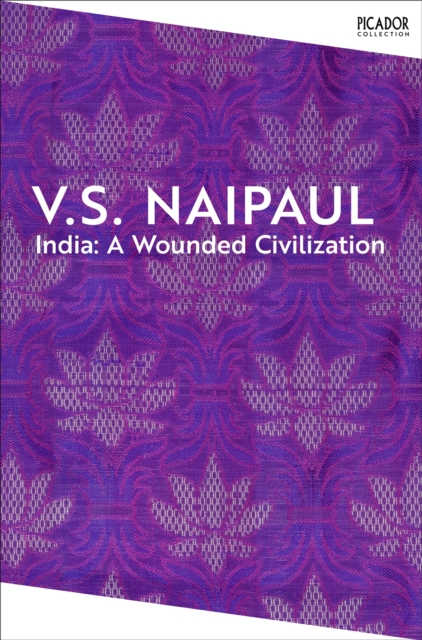
India: A Wounded Civilization
KSh 2,000.00
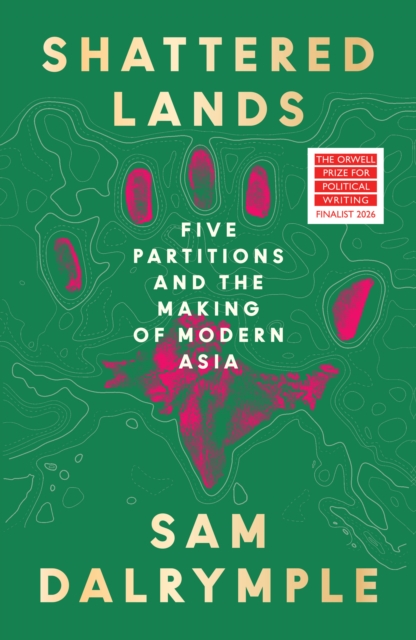
Shattered Lands
KSh 3,200.00

Games without Rules
KSh 2,900.00

Ghost Nation
KSh 3,950.00
