
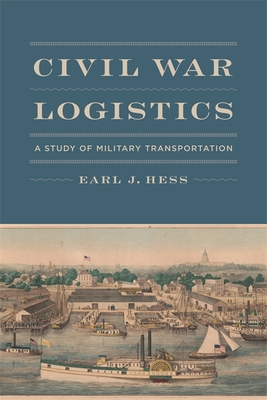
Civil War Logistics : A Study of Military Transportation
by
Earl J. Hess
Book Details
Format
Hardback
ISBN-10
0807167509
ISBN-13
9780807167502
Publisher
Louisiana State University Press
Imprint
Louisiana State University Press
Country of Manufacture
US
Country of Publication
GB
Publication Date
Sep 18th, 2017
Print length
368 Pages
Weight
646 grams
Dimensions
16.20 x 23.70 x 3.20 cms
KSh 7,600.00
Temporarily out of stock, due soon
0 in stock
Delivery Location
Delivery fee: Select location
Secure
Quality
Fast
During the Civil War, neither the Union nor the Confederate army could have operated without effective transportation systems. Moving men, supplies, and equipment required coordination on a massive scale, and Earl J. Hess's Civil War Logistics offers the first comprehensive analysis of this vital process.
During the Civil War, neither the Union nor the Confederate army could have operated without effective transportation systems. Moving men, supplies, and equipment required coordination on a massive scale, and Earl J. Hess's Civil War Logistics offers the first comprehensive analysis of this vital process. Utilizing an enormous array of reports, dispatches, and personal accounts by quartermasters involved in transporting war materials, Hess reveals how each conveyance system operated as well as the degree to which both armies accomplished their logistical goals.
In a society just realizing the benefits of modern travel technology, both sides of the conflict faced challenges in maintaining national and regional lines of transportation. Union and Confederate quartermasters used riverboats, steamers, coastal shipping, railroads, wagon trains, pack trains, cattle herds, and their soldiers in the long and complicated chain that supported the military operations of their forces. Soldiers in blue and gray alike tried to destroy the transportation facilities of their enemy, firing on river boats and dismantling rails to disrupt opposing supply lines while defending their own means of transport.
According to Hess, Union logistical efforts proved far more successful than Confederate attempts to move and supply its fighting forces, due mainly to the North's superior administrative management and willingness to seize transportation resources when needed. As the war went on, the Union's protean system grew in complexity, size, and efficiency, while that of the Confederates steadily declined in size and effectiveness until it hardly met the needs of its army. Indeed, Hess concludes that in its use of all types of military transportation, the Federal government far surpassed its opponent and thus laid the foundation for Union victory in the Civil War.
In a society just realizing the benefits of modern travel technology, both sides of the conflict faced challenges in maintaining national and regional lines of transportation. Union and Confederate quartermasters used riverboats, steamers, coastal shipping, railroads, wagon trains, pack trains, cattle herds, and their soldiers in the long and complicated chain that supported the military operations of their forces. Soldiers in blue and gray alike tried to destroy the transportation facilities of their enemy, firing on river boats and dismantling rails to disrupt opposing supply lines while defending their own means of transport.
According to Hess, Union logistical efforts proved far more successful than Confederate attempts to move and supply its fighting forces, due mainly to the North's superior administrative management and willingness to seize transportation resources when needed. As the war went on, the Union's protean system grew in complexity, size, and efficiency, while that of the Confederates steadily declined in size and effectiveness until it hardly met the needs of its army. Indeed, Hess concludes that in its use of all types of military transportation, the Federal government far surpassed its opponent and thus laid the foundation for Union victory in the Civil War.
Get Civil War Logistics by Earl J. Hess at the best price and quality guaranteed only at Werezi Africa's largest book ecommerce store. The book was published by Louisiana State University Press and it has 368 pages.
Customers Who Bought This Also Bought

Crusade for Justice – The Autobiography of Ida B. Wells, Second Edition
KSh 4,050.00

Killers of the Flower Moon
KSh 2,000.00

Warmth of Other Suns
KSh 3,050.00
Frederick Douglass
KSh 3,350.00
107 Days
KSh 4,500.00

Second Treatise of Government – Norton Library
KSh 1,600.00

Tuesdays With Morrie
KSh 2,000.00
My Bondage and My Freedom
KSh 1,600.00

Hidden Figures
KSh 2,000.00

America, América
KSh 3,650.00
Holding the Line
KSh 2,000.00

Nuclear Folly
KSh 3,050.00
More by Earl J. Hess

Managing the Union Army
KSh 8,650.00
Banners to the Breeze
KSh 3,400.00
The Battle of Peach Tree Creek
KSh 5,600.00

Pickett''s Charge--the Last Attack at Gettysburg
KSh 5,000.00

Fighting for Atlanta
KSh 6,700.00
The Civil War in the West
KSh 5,750.00
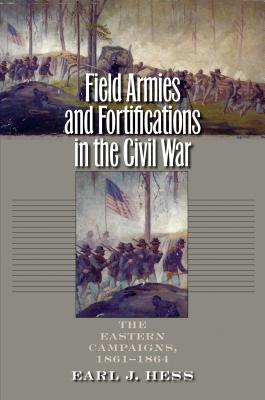
Field Armies and Fortifications in the Civil War
KSh 5,600.00

Civil War Field Artillery
KSh 7,700.00

Civil War Logistics
KSh 4,850.00
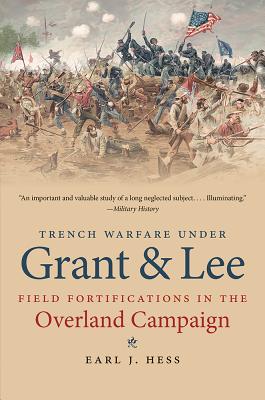
Trench Warfare Under Grant and Lee
KSh 5,600.00
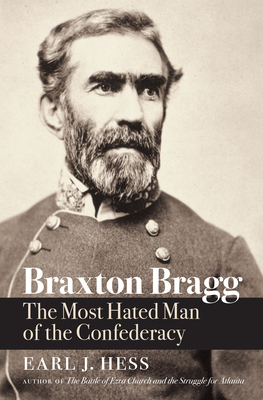
Braxton Bragg
KSh 4,150.00

Civil War Cavalry
KSh 7,200.00
