Civil War Senator : William Pitt Fessenden and the Fight to Save the American Republic
Book Details
Format
Hardback
ISBN-10
0807137073
ISBN-13
9780807137079
Publisher
Louisiana State University Press
Imprint
Louisiana State University Press
Country of Manufacture
US
Country of Publication
GB
Publication Date
Jan 1st, 2011
Print length
344 Pages
Weight
333 grams
Dimensions
23.10 x 15.40 x 2.70 cms
Product Classification:
History of the AmericasHistory of the Americas
KSh 7,200.00
Temporarily out of stock, due soon
0 in stock
Delivery Location
Delivery fee: Select location
Secure
Quality
Fast
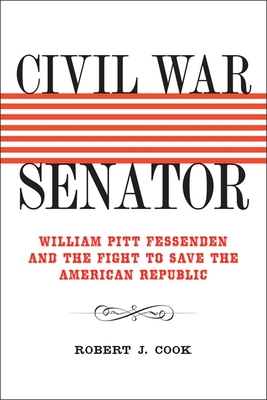
The first biography of William Pitt Fessenden in over forty years, Civil War Senator reveals a significant but often sidelined historical figure and explains the central role played by party politics and partisanship in the coming of the Civil War, northern military victory, and the ultimate failure of postwar Reconstruction.
One of the most talented and influential American politicians of the nineteenth century, William Pitt Fessenden (1806--1869) helped devise Union grand strategy during the Civil War. A native of Maine and son of a fiery New England abolitionist, he served in the United States Senate as a member of the Whig Party during the Kansas-Nebraska crisis and played a formative role in the development of the Republican Party. In this richly textured and fast-paced biography, Robert J. Cook charts Fessenden's rise to power and probes the potent mix of political ambition and republican ideology which impelled him to seek a place in the U.S. Senate at a time of rising tension between North and South.
A determined and self-disciplined man who fought, not always successfully, to keep his passions in check, Fessenden helped to spearhead Republican Party opposition to proslavery expansion during the strife-torn 1850s and led others to resist the cotton states' efforts to secede peaceably after the election of Abraham Lincoln in 1860. During the Civil War, he chaired the Senate Finance Committee and served as President Lincoln's second head of the Treasury Department. In both positions, he fashioned and implemented wartime financial policy for the United States.
In addition, Fessenden's multifaceted relationship with Lincoln helped to foster effective working relations between the president and congressional Republicans. Cook outlines Fessenden's many contributions to critical aspects of northern grand strategy and to the gradual shift to an effective total war policy against the Confederacy. Most notably, Cook shows, Fessenden helped craft congressional policy regarding the confiscation and emancipation of slaves. Cook also details Fessenden's tenure as chairman of the Joint Committee on Reconstruction after the war, during which he authored that committee's report. Although he sanctioned his party's break with Andrew Johnson less than a year after the war's end, Cook explains how Fessenden worked decisively to thwart attempts by Radical Republicans to revolutionise post-emancipation society in the defeated Confederacy.
The first biography of Fessenden in over forty years, Civil War Senator reveals a significant but often sidelined historical figure and explains the central role played by party politics and partisanship in the coming of the Civil War, northern military victory, and the ultimate failure of postwar Reconstruction. Cook restores Fessenden to his place as one of the most important politicians of a troubled generation.
A determined and self-disciplined man who fought, not always successfully, to keep his passions in check, Fessenden helped to spearhead Republican Party opposition to proslavery expansion during the strife-torn 1850s and led others to resist the cotton states' efforts to secede peaceably after the election of Abraham Lincoln in 1860. During the Civil War, he chaired the Senate Finance Committee and served as President Lincoln's second head of the Treasury Department. In both positions, he fashioned and implemented wartime financial policy for the United States.
In addition, Fessenden's multifaceted relationship with Lincoln helped to foster effective working relations between the president and congressional Republicans. Cook outlines Fessenden's many contributions to critical aspects of northern grand strategy and to the gradual shift to an effective total war policy against the Confederacy. Most notably, Cook shows, Fessenden helped craft congressional policy regarding the confiscation and emancipation of slaves. Cook also details Fessenden's tenure as chairman of the Joint Committee on Reconstruction after the war, during which he authored that committee's report. Although he sanctioned his party's break with Andrew Johnson less than a year after the war's end, Cook explains how Fessenden worked decisively to thwart attempts by Radical Republicans to revolutionise post-emancipation society in the defeated Confederacy.
The first biography of Fessenden in over forty years, Civil War Senator reveals a significant but often sidelined historical figure and explains the central role played by party politics and partisanship in the coming of the Civil War, northern military victory, and the ultimate failure of postwar Reconstruction. Cook restores Fessenden to his place as one of the most important politicians of a troubled generation.
Get Civil War Senator by Robert J. Cook at the best price and quality guaranteed only at Werezi Africa's largest book ecommerce store. The book was published by Louisiana State University Press and it has 344 pages.
Customers Who Bought This Also Bought
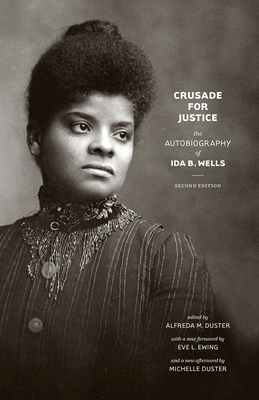
Crusade for Justice – The Autobiography of Ida B. Wells, Second Edition
KSh 4,050.00

Killers of the Flower Moon
KSh 2,000.00

Warmth of Other Suns
KSh 3,050.00
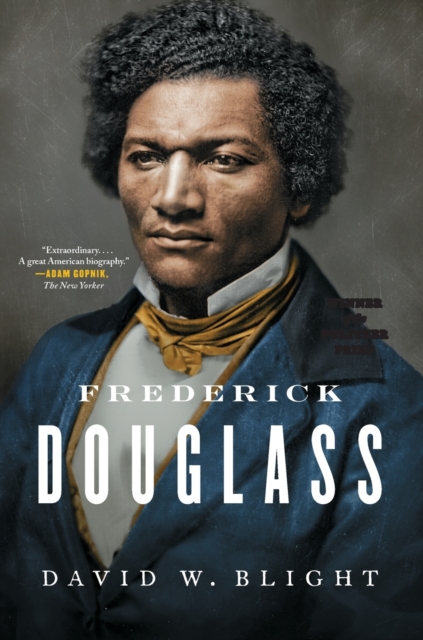
Frederick Douglass
KSh 3,350.00
107 Days
KSh 4,500.00

Second Treatise of Government – Norton Library
KSh 1,600.00

Tuesdays With Morrie
KSh 2,000.00
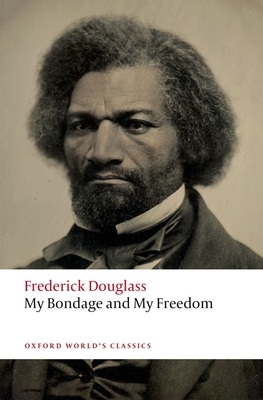
My Bondage and My Freedom
KSh 1,600.00

Hidden Figures
KSh 2,000.00

America, América
KSh 3,650.00

Holding the Line
KSh 2,000.00

Nuclear Folly
KSh 3,050.00