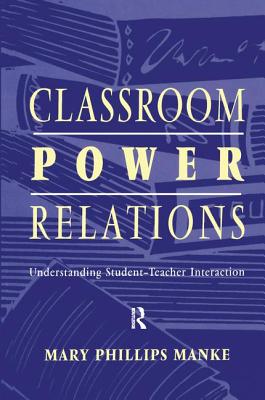
Classroom Power Relations : Understanding Student-teacher Interaction
by
Mary Manke
Book Details
Format
Paperback / softback
ISBN-10
0805824960
ISBN-13
9780805824964
Publisher
Taylor & Francis Inc
Imprint
Routledge
Country of Manufacture
GB
Country of Publication
GB
Publication Date
Aug 1st, 1997
Print length
180 Pages
Weight
278 grams
Dimensions
15.20 x 22.90 x 1.30 cms
KSh 8,250.00
Temporarily out of stock, due soon
0 in stock
Delivery Location
Delivery fee: Select location
Secure
Quality
Fast
This book for preservice and inservice teachers, and for teacher educators, will help them consider how students and teachers together construct their lives in classrooms. The author employs a constructivist view of power relations.
This book is based on a careful theorizing of classroom power relations that sees them as constructed from the actions of all participants. Contrary to the common assumption that the teacher is the source of classroom power, it sees that power as arising from the interaction between students and teachers. If power is owned by the teacher, she is completely responsible for events in the classroom, whether or not she chooses to share her power/control/authority with the students. If, as this book claims, power is the joint creation of all participants, teachers are freed from an excessive and damaging weight of responsibility for classroom events and outcomes. The shared responsibility between students and teachers for what happens in the classroom is brought to light.
Based on an ethnographic study of three elementary classrooms, this book offers a careful look at the workings of classroom power. It is of interest both to those seeking to understand power relations from this theoretical viewpoint and to those whose concern is with the daily workings of classrooms, often called classroom management. Questions explored in this book include:
* How do teachers organize time and space in classrooms as part of their contribution to the development of classroom power relations?
* What kinds of discourse choices do they make, and why?
* How do students contribute to defining what will count as classroom knowledge, and how do they resist teacher agendas as they play their part in constructing classroom power relations?
Based on an ethnographic study of three elementary classrooms, this book offers a careful look at the workings of classroom power. It is of interest both to those seeking to understand power relations from this theoretical viewpoint and to those whose concern is with the daily workings of classrooms, often called classroom management. Questions explored in this book include:
* How do teachers organize time and space in classrooms as part of their contribution to the development of classroom power relations?
* What kinds of discourse choices do they make, and why?
* How do students contribute to defining what will count as classroom knowledge, and how do they resist teacher agendas as they play their part in constructing classroom power relations?
Get Classroom Power Relations by Mary Manke at the best price and quality guaranteed only at Werezi Africa's largest book ecommerce store. The book was published by Taylor & Francis Inc and it has 180 pages.
Customers Who Bought This Also Bought
Pedagogy of the Oppressed
KSh 2,000.00
Xrepublic
KSh 850.00
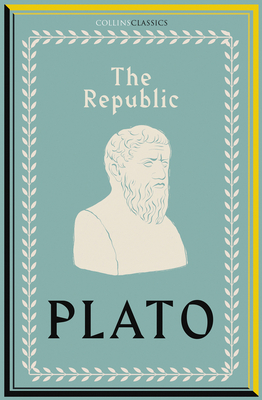
Xrepublic
KSh 1,450.00
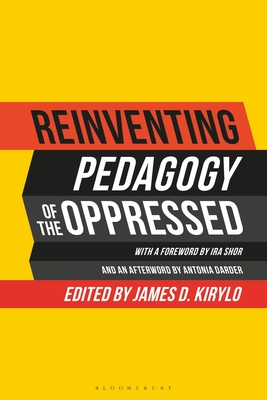
Reinventing Pedagogy of the Oppressed
KSh 4,850.00
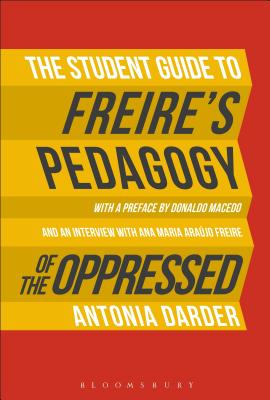
Student Guide to Freire''s ''Pedagogy of the Oppressed''
KSh 3,150.00
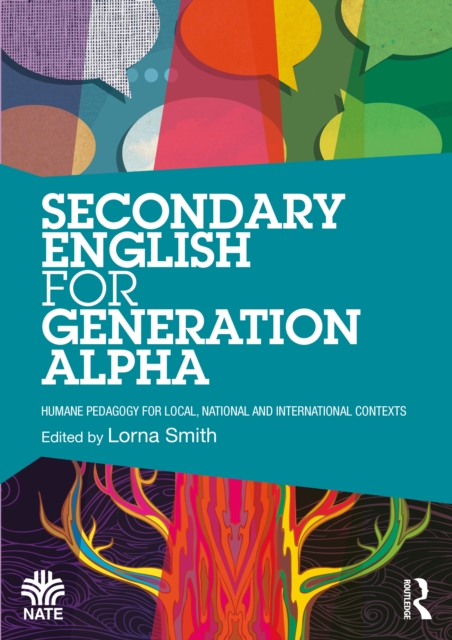
Secondary English for Generation Alpha
KSh 7,900.00
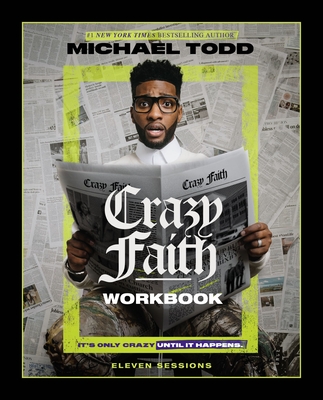
Crazy Faith Workbook
KSh 2,500.00
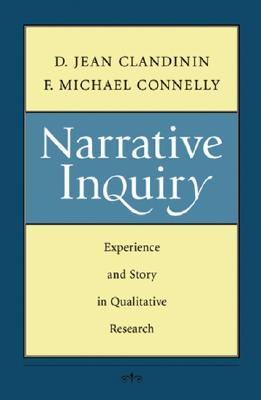
Narrative Inquiry – Experience and Story in Qualitative Research
KSh 4,850.00
Manipulating Practices
KSh 7,900.00
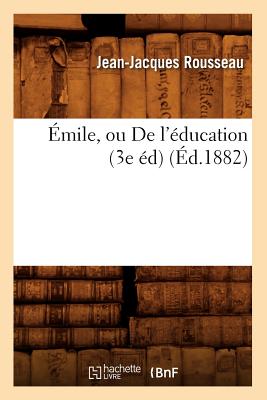
Emile, Ou de l'Education (3e Ed) (Ed.1882)
KSh 2,150.00
Education and the Social Order
KSh 27,550.00

Fanon and Education
KSh 5,250.00