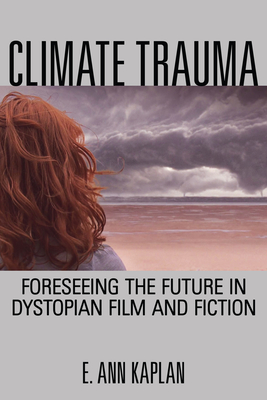
Climate Trauma : Foreseeing the Future in Dystopian Film and Fiction
Book Details
Format
Paperback / softback
ISBN-10
0813563992
ISBN-13
9780813563992
Publisher
Rutgers University Press
Imprint
Rutgers University Press
Country of Manufacture
US
Country of Publication
GB
Publication Date
Dec 4th, 2015
Print length
208 Pages
Weight
370 grams
Dimensions
15.40 x 28.40 x 1.40 cms
Product Classification:
Film: styles & genresFilm: styles and genres
KSh 5,400.00
Werezi Extended Catalogue
Delivery in 12 days
2 copies in stock
Delivery Location
Delivery fee: Select location
Delivery in 12 days
Secure
Quality
Fast
Each month brings new scientific findings that demonstrate the ways in which human activities, from resource extraction to carbon emissions, are doing unprecedented, perhaps irreparable damage to our world. As we hear these climate change reports and their predictions for the future of Earth, many of us feel a sickening sense of dÉjÀ vu, as though we have already seen the sad outcome to this story.
Drawing from recent scholarship that analyzes climate change as a form of “slow violence” that humans are inflicting on the environment, Climate Trauma theorizes that such violence is accompanied by its own psychological condition, what its author terms “Pretraumatic Stress Disorder.” Examining a variety of films that imagine a dystopian future, renowned media scholar E. Ann Kaplan considers how the increasing ubiquity of these works has exacerbated our sense of impending dread. But she also explores ways these films might help us productively engage with our anxieties, giving us a seemingly prophetic glimpse of the terrifying future selves we might still work to avoid becoming.
Examining dystopian classics like Soylent Green alongside more recent examples like The Book of Eli, Climate Trauma also stretches the limits of the genre to include features such as Blindness, The Happening, Take Shelter, and a number of documentaries on climate change. These eclectic texts allow Kaplan to outline the typical blind-spots of the genre, which rarely depicts climate catastrophe from the vantage point of women or minorities. Lucidly synthesizing cutting-edge research in media studies, psychoanalytic theory, and environmental science, Climate Trauma provides us with the tools we need to extract something useful from our nightmares of a catastrophic future.
Drawing from recent scholarship that analyzes climate change as a form of “slow violence” that humans are inflicting on the environment, Climate Trauma theorizes that such violence is accompanied by its own psychological condition, what its author terms “Pretraumatic Stress Disorder.” Examining a variety of films that imagine a dystopian future, renowned media scholar E. Ann Kaplan considers how the increasing ubiquity of these works has exacerbated our sense of impending dread. But she also explores ways these films might help us productively engage with our anxieties, giving us a seemingly prophetic glimpse of the terrifying future selves we might still work to avoid becoming.
Examining dystopian classics like Soylent Green alongside more recent examples like The Book of Eli, Climate Trauma also stretches the limits of the genre to include features such as Blindness, The Happening, Take Shelter, and a number of documentaries on climate change. These eclectic texts allow Kaplan to outline the typical blind-spots of the genre, which rarely depicts climate catastrophe from the vantage point of women or minorities. Lucidly synthesizing cutting-edge research in media studies, psychoanalytic theory, and environmental science, Climate Trauma provides us with the tools we need to extract something useful from our nightmares of a catastrophic future.
Get Climate Trauma by E. Ann Kaplan at the best price and quality guaranteed only at Werezi Africa's largest book ecommerce store. The book was published by Rutgers University Press and it has 208 pages.
Customers Who Bought This Also Bought

A Fine Line between Stupid and Clever
KSh 4,500.00

Barbie 2023
KSh 2,400.00

Marvel Studios' Black Panther: Dreams of Wakanda
KSh 3,800.00

Spider-Man
KSh 9,550.00

You''ve Got Red on You
KSh 2,600.00
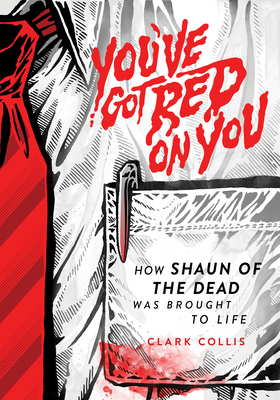
You''ve Got Red on You
KSh 3,850.00

The Crying Game
KSh 2,350.00
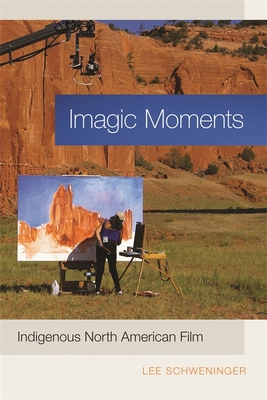
Imagic Moments
KSh 15,850.00

Film and History in Revolutionary Cuba
KSh 18,250.00
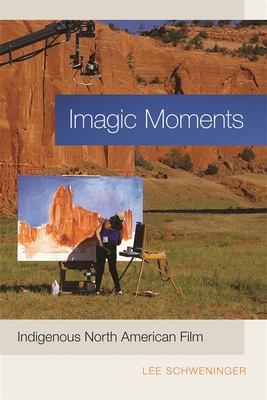
Imagic Moments
KSh 5,950.00

Bible and Cinema: Fifty Key Films
KSh 22,500.00

The Many Manifestations of Francis Ford Coppola's the Godfather Series
KSh 13,700.00