
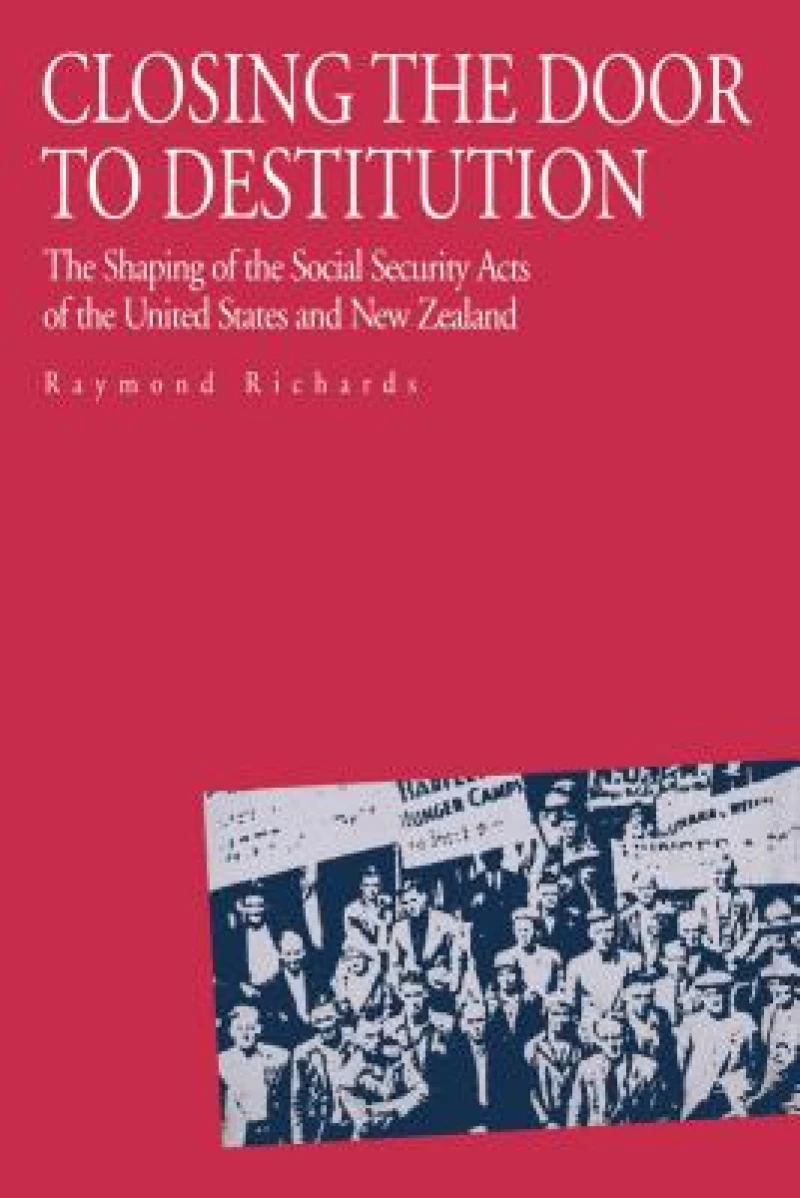
Closing the Door to Destitution : The Shaping of the Social Security Acts of the United States and New Zealand
Book Details
Format
Paperback / Softback
ISBN-10
0271026650
ISBN-13
9780271026657
Publisher
Pennsylvania State University Press
Imprint
Pennsylvania State University Press
Country of Manufacture
GB
Country of Publication
GB
Publication Date
Apr 15th, 1994
Print length
212 Pages
Weight
454 grams
Dimensions
22.90 x 15.20 x 1.60 cms
Product Classification:
Welfare & benefit systems
Ksh 5,750.00
Werezi Extended Catalogue
0 in stock
Delivery Location
Delivery fee: Select location
Secure
Quality
Fast
During the depression of the 1930s, both the United States and New Zealand passed a Social Security Act. Both countries were developed nations of the "new world," and each statute was an omnibus measure aimed at protecting citizens from the poverty so visible at the time. The two acts, however, were very different. The New Zealand measure was absolute, promising everyone medical care and a reasonable income in every circumstance. It redistributed income downward. The U.S. act addressed only a handful of risks, and each of its two main programs covered less than half of the population. Its benefits were funded by regressive taxes, and the main programs promised more help, not to persons in greater need, but to those from higher-paying jobs. Scholars of comparative public policy have tried to account for such differences among welfare states. Their explanations have commonly stressed economic, cultural, bureaucratic, or political differences among countries. The character of life in these two countries makes it possible to conclude simply that the United States and New Zealand passed contrasting acts because their histories were different. Richards argues that this conclusion is too vague. After all, the Social Security Acts did not materialize from national ambiance. He shows that the contrasts between the two systems stemmed from national differences that were inveterate, with the differences between their political systems being the most direct influence. By closely examining the two systems of government, Richards reveals that the U.S. Social Security Act reinforced the country's inequalities while New Zealand's act reflected that nation's legislative and electoral arrangements, which allowed bold policy-making by politicians who knew the pain of poverty.
Get Closing the Door to Destitution by at the best price and quality guaranteed only at Werezi Africa's largest book ecommerce store. The book was published by Pennsylvania State University Press and it has pages.

