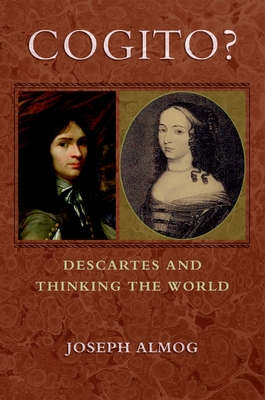
Cogito? : Descartes and Thinking the World
by
Joseph Almog
Book Details
Format
Hardback
ISBN-10
0195337719
ISBN-13
9780195337716
Publisher
Oxford University Press Inc
Imprint
Oxford University Press Inc
Country of Manufacture
GB
Country of Publication
GB
Publication Date
Apr 24th, 2008
Print length
144 Pages
Weight
298 grams
Dimensions
14.70 x 21.30 x 2.00 cms
KSh 11,550.00
Temporarily out of stock, due soon
0 in stock
Delivery Location
Delivery fee: Select location
Secure
Quality
Fast
Decartes' maxim Cogito, Ergo Sum (from his Meditations) is perhaps the most famous philosophical expression ever coined. Joseph Almog is a Descartes analyst whose last book WHAT AM I? focused on the second half of this expression, Sum-who is the "I" who is existing-and-thinking and how does this entity somehow incorporate both body and mind? This volume looks at the first half of the proposition-cogito. Almog calls this the "thinking man's paradox": how can there be, in the the natural world and as part and parcel of it, a creature that... thinks? Descartes' proposition declares that such a fact obtains and he maintains that it is self-evident; but as Almog points out, from the point of view of Descartes' own skepticism, it is far from obvious that there could be a thinking-man. How can it be that a thinking human be both part of the natural world and yet somehow distinct and separate from it? How did "thinking" arise in an otherwise "thoughtless" universe and what does it mean for beings like us to be thinkers? Almog goes back to the Meditations, and using Descartes' own aposteriori cognitive methodology-his naturalistic, scientific, approach to the study of man-tries to answer the question.
Decartes'' maxim Cogito, Ergo Sum (from his Meditations) is perhaps the most famous philosophical expression ever coined. Joseph Almog is a Descartes analyst whose last book WHAT AM I? focused on the second half of this expression, Sum-who is the "I" who is existing-and-thinking and how does this entity somehow incorporate both body and mind? This volume looks at the first half of the proposition-cogito. Almog calls this the "thinking man''s paradox": how can there be, in the the natural world and as part and parcel of it, a creature that... thinks? Descartes'' proposition declares that such a fact obtains and he maintains that it is self-evident; but as Almog points out, from the point of view of Descartes'' own skepticism, it is far from obvious that there could be a thinking-man. How can it be that a thinking human be both part of the natural world and yet somehow distinct and separate from it? How did "thinking" arise in an otherwise "thoughtless" universe and what does it mean for beings like us to be thinkers? Almog goes back to the Meditations, and using Descartes'' own aposteriori cognitive methodology-his naturalistic, scientific, approach to the study of man-tries to answer the question.
Get Cogito? by Joseph Almog at the best price and quality guaranteed only at Werezi Africa's largest book ecommerce store. The book was published by Oxford University Press Inc and it has 144 pages.
Customers Who Bought This Also Bought
We Are Green and Trembling
KSh 1,800.00
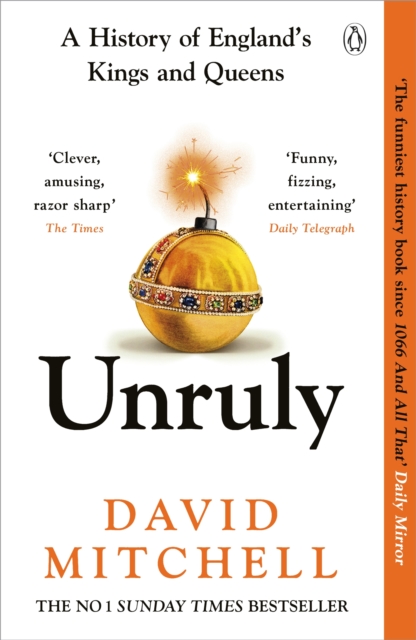
Unruly
KSh 2,150.00

The Holy Roman Empire
KSh 3,600.00
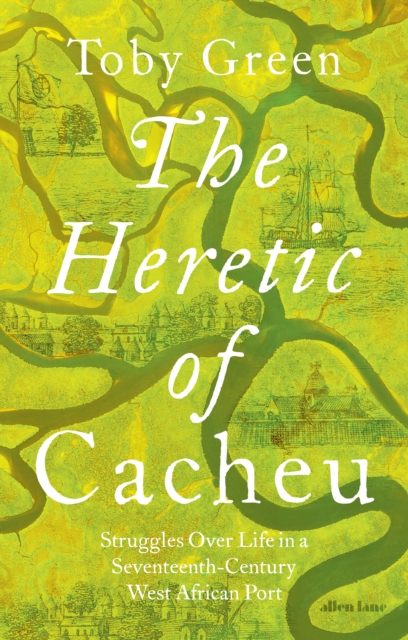
The Heretic of Cacheu
KSh 4,500.00

Tudor Church Militant
KSh 2,350.00

All Things Made New
KSh 3,050.00
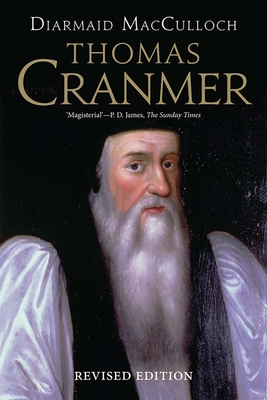
Thomas Cranmer – A Life
KSh 4,600.00

Letters on England
KSh 2,350.00

This Door of the Seas
KSh 2,150.00
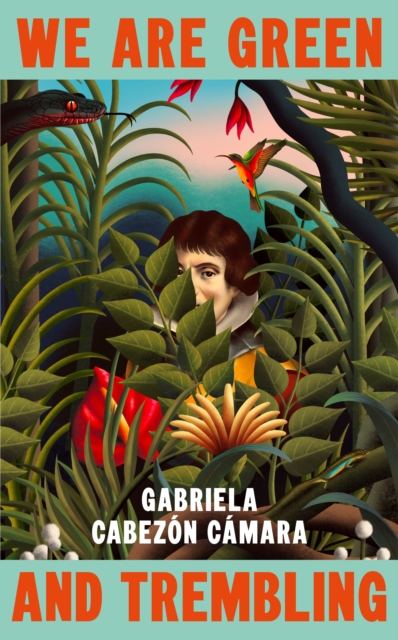
We Are Green and Trembling
KSh 3,400.00
The Prince
KSh 1,450.00
Prince
KSh 2,000.00