
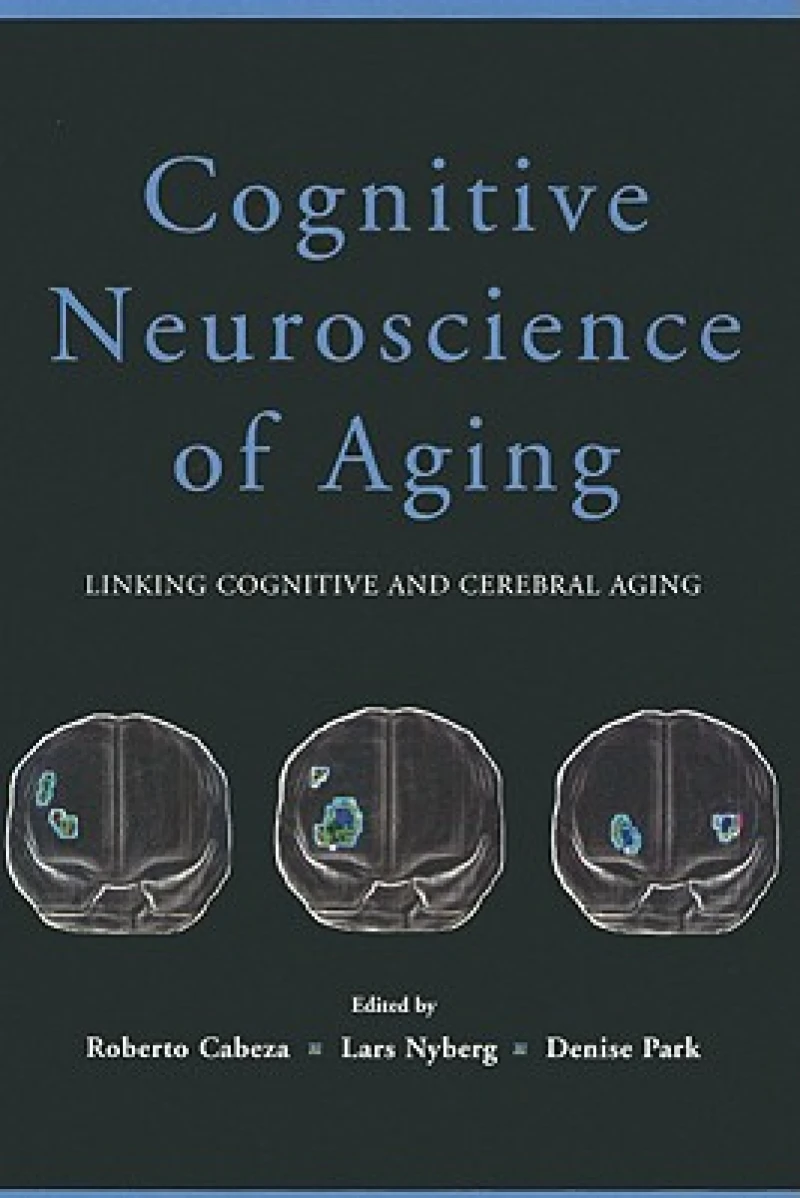
Cognitive Neuroscience of Aging : Linking Cognitive and Cerebral Aging
Book Details
Format
Paperback / Softback
ISBN-10
0195388224
ISBN-13
9780195388220
Publisher
Oxford University Press Inc
Imprint
Oxford University Press Inc
Country of Manufacture
US
Country of Publication
GB
Publication Date
Jan 28th, 2010
Print length
408 Pages
Weight
616 grams
Dimensions
23.40 x 15.80 x 2.20 cms
Ksh 13,200.00
Manufactured on Demand
0 in stock
Delivery Location
Delivery fee: Select location
Secure
Quality
Fast
Until very recently, our knowledge about the neural basis of cognitive aging was based on two disciplines that had very little contact with each other. Whereas the neuroscience of aging investigated the effects of aging on the brain independently of age-related changes in cognition, the cognitive psychology of aging investigated the effects of aging on cognition independently of age-related changes in the brain. The lack of communication between these two disciplines is currently being addressed by an increasing number of studies that focus on the relationships between cognitive aging and cerebral aging. This rapidly growing body of research has come to constitute a new discipline, which may be called cognitive neuroscience of aging. The goal of Cognitive Neuroscience of Aging is to introduce the reader to this new discipline at a level that is useful to both professionals and students in the domains of cognitive neuroscience, cognitive psychology, neuroscience, neuropsychology, neurology, and other, related areas. This book is divided into four main sections. The first section describes noninvasive measures of cerebral aging, including structural (e.g., volumetric MRI), chemical (e.g., dopamine PET), electrophysiological (e.g., ERPs), and hemodynamic (e.g., fMRI), and discusses how they can be linked to behavioral measures of cognitive aging. The second section reviews evidence for the effects of aging on neural activity during different cognitive functions, including perception and attention, imagery, working memory, long-term memory, and prospective memory. The third section focuses on clinical and applied topics, such as the distinction between healthy aging and Alzheimers disease and the use of cognitive training to ameliorate age-related cognitive decline. The last section describes theories that relate cognitive and cerebral aging, including models accounting for functional neuroimaging evidence and models supported by computer simulations. Taken together, the chapters in this volume provide the first unified and comprehensive overview of the new discipline of cognitive neuroscience of aging.
Get Cognitive Neuroscience of Aging by at the best price and quality guaranteed only at Werezi Africa's largest book ecommerce store. The book was published by Oxford University Press Inc and it has pages.

