
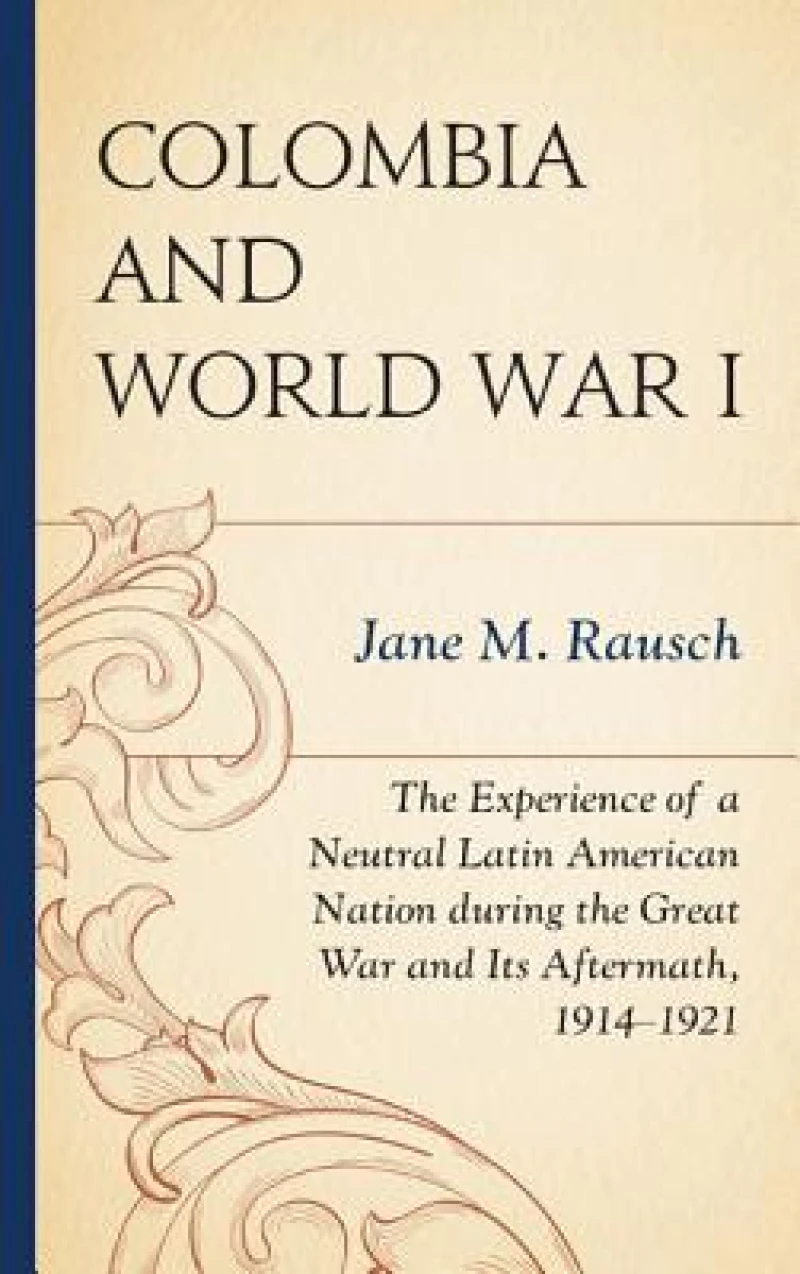
Colombia and World War I : The Experience of a Neutral Latin American Nation during the Great War and Its Aftermath, 1914–1921
Book Details
Format
Hardback or Cased Book
ISBN-10
0739187732
ISBN-13
9780739187739
Publisher
Bloomsbury Publishing Plc
Imprint
Lexington Books
Country of Manufacture
GB
Country of Publication
GB
Publication Date
Jun 12th, 2014
Print length
152 Pages
Weight
378 grams
Dimensions
16.10 x 23.70 x 1.60 cms
Product Classification:
History of the Americas20th century history: c 1900 to c 2000First World War
Ksh 17,300.00
Manufactured on Demand
0 in stock
Delivery Location
Delivery fee: Select location
Secure
Quality
Fast
In the horrific conflict of 1914–1918 known first as “The Great War” and later as World War I, Latin American nations were peripheral players. Only after the U.S. entered the fighting in 1917 did eight of the twenty republics declare war. Five others broke diplomatic relations with Germany, while seven maintained strict neutrality. These diplomatic stances, even those of the two actual belligerents—Brazil and Cuba—did little to tip the balance of victory in favor of the allies, and perhaps that explains why historians have paid scant attention to events in Latin America related to the war. Nevertheless, it is still remarkable that Percy Alvin Martin’s classic account, Latin American and the War, first published in 1925, remains the standard text on the topic.This book attempts to redress this gap by taking a fresh look at developments between 1914 and 1921 in one of the neutral nations—Colombia. This period, which coincides with the presidency of José Vicente Concha (1914–1918) and his successor, Marco Fidel Suárez (1918–1921), is filled with momentous developments not only in foreign policy, when Colombian diplomats pressured by German, British and U.S. propaganda struggled to maintain strict neutrality, but also on the domestic scene as the newly installed Conservative regime faced political and economic crises that sparked numerous and violent protests. Rausch''s examination of the administrations of Concha and Suárez supports Martin’s assertion that even those countries neutral in the Great War were not immune from its effects.
In the horrific conflict of 1914–1918 known first as “The Great War” and later as World War I, Latin American nations were peripheral players. Only after the U.S. entered the fighting in 1917 did eight of the twenty republics declare war. Five others broke diplomatic relations with Germany, while seven maintained strict neutrality. These diplomatic stances, even those of the two actual belligerents—Brazil and Cuba—did little to tip the balance of victory in favor of the allies, and perhaps that explains why historians have paid scant attention to events in Latin America related to the war. Nevertheless, it is still remarkable that Percy Alvin Martin’s classic account, Latin American and the War, first published in 1925, remains the standard text on the topic. This book attempts to redress this gap by taking a fresh look at developments between 1914 and 1921 in one of the neutral nations—Colombia. This period, which coincides with the presidency of José Vicente Concha (1914–1918) and his successor, Marco Fidel Suárez (1918–1921), is filled with momentous developments not only in foreign policy, when Colombian diplomats pressured by German, British and U.S. propaganda struggled to maintain strict neutrality, but also on the domestic scene as the newly installed Conservative regime faced political and economic crises that sparked numerous and violent protests. Rausch's examination of the administrations of Concha and Suárez supports Martin’s assertion that even those countries neutral in the Great War were not immune from its effects.
Get Colombia and World War I by at the best price and quality guaranteed only at Werezi Africa's largest book ecommerce store. The book was published by Bloomsbury Publishing Plc and it has pages.

