

Colonel William Prescott : Heroic Commander of the Battle of Bunker Hill
Book Details
Format
Hardback
ISBN-10
1636245684
ISBN-13
9781636245683
Publisher
Casemate Publishers
Imprint
Casemate Publishers
Country of Manufacture
GB
Country of Publication
GB
Publication Date
May 15th, 2025
Print length
288 Pages
Weight
490 grams
Dimensions
23.60 x 16.10 x 3.10 cms
KSh 5,400.00
Temporarily out of stock, due soon
0 in stock
Delivery Location
Delivery fee: Select location
Secure
Quality
Fast
A comprehensive biography of Colonel William Prescott, principal commander at the highly consequential battle of Bunker Hill in June 1775.
In America, before the United States was established, there were a small number of select people and events that made such an impact on the great issues of the day that they changed the course of history. One such event was colonial Boston’s battle of Bunker Hill in June 1775. And, indisputably, the most important actor in that event was Massachusetts native Colonel William Prescott.Prescott was a humble and noble man of high integrity, a descendent of one of America’s earliest families, and an ardent patriot beloved by those who knew him best. The brave and determined stand made by Prescott and his hodgepodge of mostly inexperienced fighters, against a far more formidable British military force, demonstrated the American fighting spirit and spurred the drive for independence. Although Prescott''s men twice threw back British assaults on their defenses, they were forced to retreat during a third assault. Prescott was one of the last to leave their makeshift fort, defending himself against the British bayonets with his triangular-bladed short sword. Prescott survived the famous battle and, as few others could claim, participated in a series of major events during the Revolutionary Era and the eventual establishment of the United States Constitution.While Bunker Hill has remained a touchstone, time and subsequent events have caused Prescott’s fame gradually to fade from memory. But were it not for Prescott’s extraordinary efforts in June 1775 the drive for Liberty might well have been delayed, if not abandoned altogether. This book tells the story of Prescott’s extraordinary life in an attempt to revive the legacy and fame of this true American hero.
Get Colonel William Prescott by Donald R. Ryan at the best price and quality guaranteed only at Werezi Africa's largest book ecommerce store. The book was published by Casemate Publishers and it has 288 pages.
Customers Who Bought This Also Bought

The Second Emancipation – Nkrumah, Pan–Africanism, and Global Blackness at High Tide
KSh 5,650.00

Churchill
KSh 3,700.00

Spy and the Traitor
KSh 2,150.00

King
KSh 2,700.00

American Prometheus
KSh 2,700.00

Gandhi 1914-1948
KSh 3,950.00

Warmth of Other Suns
KSh 3,050.00
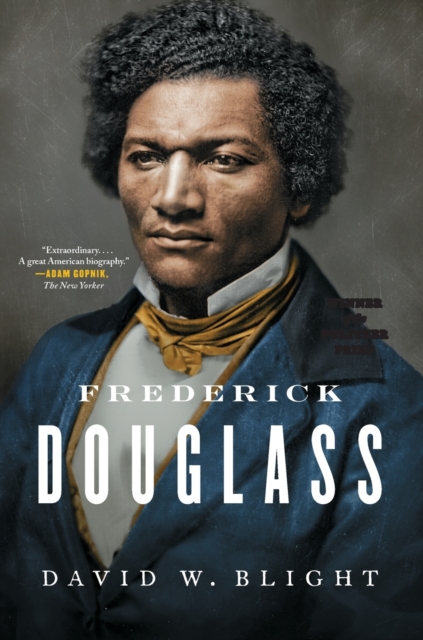
Frederick Douglass
KSh 3,350.00
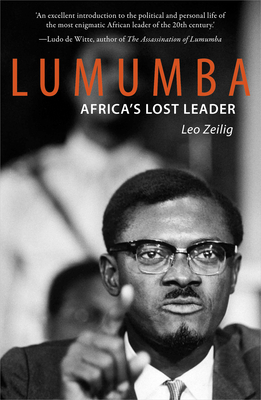
Lumumba
KSh 2,350.00

Kierkegaard
KSh 1,800.00

Only Plane in the Sky
KSh 2,700.00

History
KSh 9,000.00
