
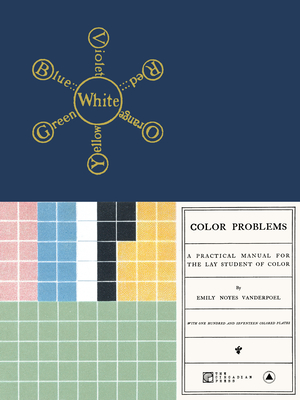
Color Problems : A Practical Manual for the Lay Student of Color
Book Details
Format
Paperback / softback
ISBN-10
0999609939
ISBN-13
9780999609934
Publisher
Sacred Bones
Imprint
Sacred Bones
Country of Manufacture
US
Country of Publication
GB
Publication Date
Dec 20th, 2018
Print length
396 Pages
Weight
666 grams
Dimensions
19.10 x 14.10 x 2.50 cms
KSh 4,500.00
Werezi Extended Catalogue
Delivery in 12 days
1 copies in stock
Delivery Location
Delivery fee: Select location
Delivery in 12 days
Secure
Quality
Fast
Originally published in 1902, Color Problems examines the theory of color in 117 conceptual plates by Emily Noyes Vanderpoel.
Emily Noyes Vanderpoel (1842-1939) was an artist, collector, scholar, and historian working at the dawn of the 20th century. Her first and most prominent work, Color Problems: A Practical Manual for the Lay Student of Color, provides a comprehensive overview of the main ideas of color theory at the time, as well as her wildly original approaches to color analysis and interaction. Through a 21st century lens, she appears to stumble upon midcentury design and minimalism decades prior to those movements.
Presenting her work as a painting manual under the guise and genre of flower painting and the decorative arts— subjects considered “appropriate” for a woman of her time—she was able to present a thoroughly studied, yet uniquely poetic, approach to color theory that was later taken up and popularized by men and became ubiquitous in contemporary art departments.
Her remarkable inventiveness shines in a series of gridded squares, each 10 x 10, that analyze the proportions of color derived from actual objects: Assyrian tiles, Persian rugs, an Egyptian mummy case, and even a teacup and saucer. Vanderpoel had a deep knowledge of ceramics and analyzed many pieces from her personal collection. She leaves her process relatively mysterious but what is clear, as historian and science blogger John Ptak notes, is that Vanderpoel “sought not so much to analyze the components of color itself, but rather to quantify the overall interpretative effect of color on the imagination”.
Emily Noyes Vanderpoel (1842-1939) was an artist, collector, scholar, and historian working at the dawn of the 20th century. Her first and most prominent work, Color Problems: A Practical Manual for the Lay Student of Color, provides a comprehensive overview of the main ideas of color theory at the time, as well as her wildly original approaches to color analysis and interaction. Through a 21st century lens, she appears to stumble upon midcentury design and minimalism decades prior to those movements.
Presenting her work as a painting manual under the guise and genre of flower painting and the decorative arts— subjects considered “appropriate” for a woman of her time—she was able to present a thoroughly studied, yet uniquely poetic, approach to color theory that was later taken up and popularized by men and became ubiquitous in contemporary art departments.
Her remarkable inventiveness shines in a series of gridded squares, each 10 x 10, that analyze the proportions of color derived from actual objects: Assyrian tiles, Persian rugs, an Egyptian mummy case, and even a teacup and saucer. Vanderpoel had a deep knowledge of ceramics and analyzed many pieces from her personal collection. She leaves her process relatively mysterious but what is clear, as historian and science blogger John Ptak notes, is that Vanderpoel “sought not so much to analyze the components of color itself, but rather to quantify the overall interpretative effect of color on the imagination”.
Get Color Problems by Emily Noyes Vanderpoel at the best price and quality guaranteed only at Werezi Africa's largest book ecommerce store. The book was published by Sacred Bones and it has 396 pages.
Customers Who Bought This Also Bought

World According to Colour
KSh 2,700.00
What Art Does
KSh 2,700.00
Art on My Mind
KSh 2,000.00

Modern Classics Ways of Seeing
KSh 2,000.00
Monsters
KSh 2,350.00

Create Dangerously
KSh 700.00

Danse Macabre
KSh 2,500.00
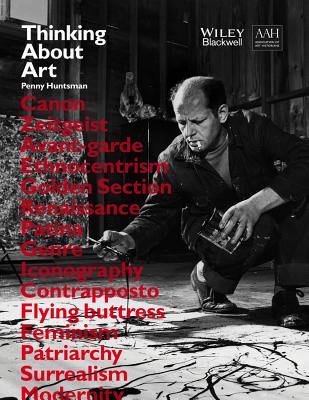
Thinking About Art – A Thematic Guide to Art History
KSh 5,800.00

Monsters
KSh 3,600.00

The Artist''s Way
KSh 4,500.00
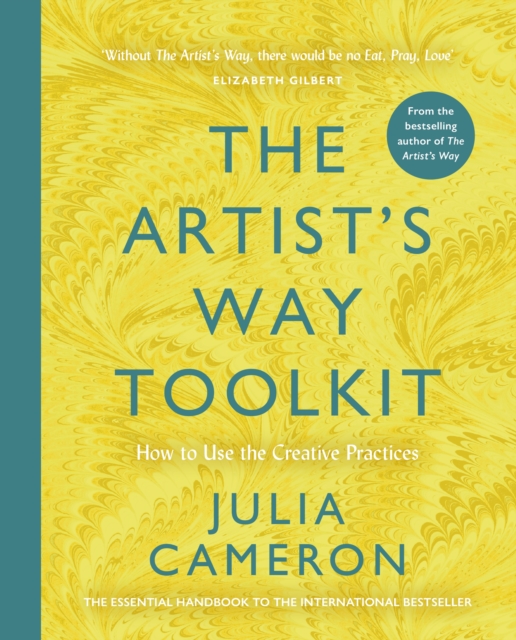
The Artist''s Way Toolkit
KSh 2,350.00

Goya''s Last Portrait/A Question of Geography
KSh 2,350.00
