Committed to Rights : UN Human Rights Treaties and Legal Paths for Commitment and Compliance
Book Details
Format
Paperback / softback
ISBN-10
1108821588
ISBN-13
9781108821582
Publisher
Cambridge University Press
Imprint
Cambridge University Press
Country of Manufacture
GB
Country of Publication
GB
Publication Date
Apr 6th, 2023
Print length
241 Pages
Weight
354 grams
Dimensions
15.20 x 22.80 x 1.50 cms
KSh 4,500.00
Currently unavailable
0 in stock
Delivery Location
Delivery fee: Select location
Secure
Quality
Fast
This book is for advanced undergraduates, graduate and law students, faculty and researchers interested in the legal and political dynamics of UN human rights treaties. Through a rigorous mixed methods approach, it demonstrates that legal distinctions among treaty commitment types help explain when states are improving human rights practices.
International treaties are the primary means for codifying global human rights standards. However, nation-states are able to make their own choices in how to legally commit to human rights treaties. A state commits to a treaty through four commitment acts: signature, ratification, accession, and succession. These acts signify diverging legal paths with distinct contexts and mechanisms for rights change reflecting legalization, negotiation, sovereignty, and domestic constraints. How a state moves through these actions determines how, when, and to what extent it will comply with the human rights treaties it commits to. Using legal, archival, and quantitative analysis this important book shows that disentangling legal paths to commitment reveals distinct and significant compliance outcomes. Legal context matters for human rights and has important implications for the conceptualization of treaty commitment, the consideration of non-binding commitment, and an optimistic outlook for the impact of human rights treaties.
Get Committed to Rights by Audrey L. Comstock at the best price and quality guaranteed only at Werezi Africa's largest book ecommerce store. The book was published by Cambridge University Press and it has 241 pages.
Customers Who Bought This Also Bought
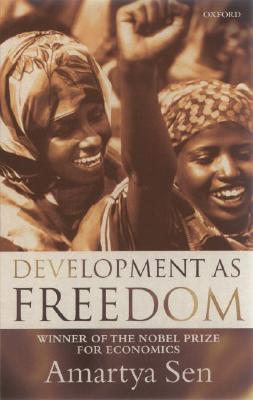
Development as Freedom
KSh 2,900.00

Autobiography of Malcolm X
KSh 2,350.00

Cobalt Red
KSh 2,900.00
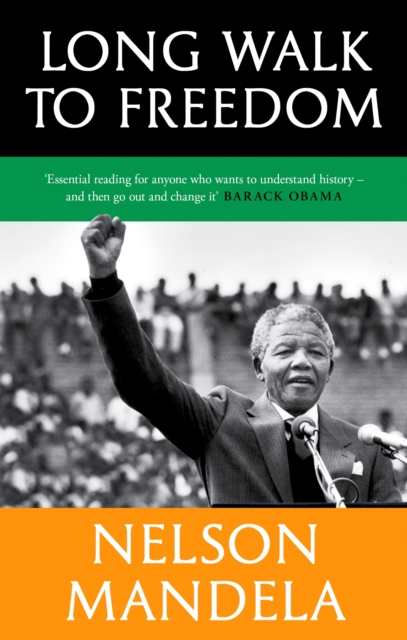
Long Walk To Freedom
KSh 2,850.00

Pedagogy of the Oppressed
KSh 2,000.00
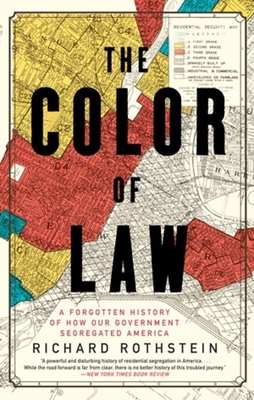
The Color of Law – A Forgotten History of How Our Government Segregated America
KSh 2,550.00

Patriot
KSh 2,000.00
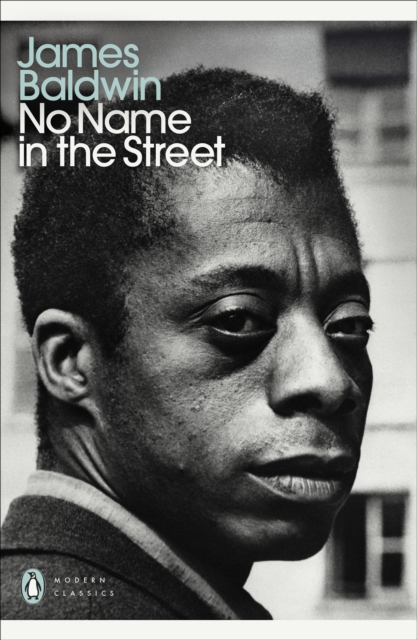
No Name in the Street
KSh 2,000.00

Recognising the Stranger
KSh 1,800.00

Winnie & Nelson
KSh 2,350.00
Moving the Centre
KSh 4,850.00

What You Have Heard Is True
KSh 2,350.00