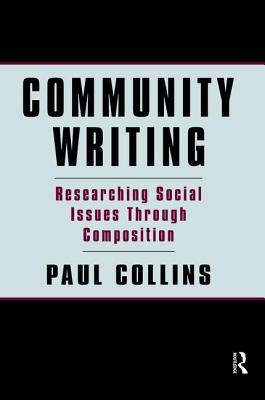
Community Writing : Researching Social Issues Through Composition
Book Details
Format
Paperback / softback
Book Series
Language, Culture, and Teaching Series
ISBN-10
0805838341
ISBN-13
9780805838343
Publisher
Taylor & Francis Inc
Imprint
Routledge
Country of Manufacture
GB
Country of Publication
GB
Publication Date
Feb 1st, 2001
Print length
212 Pages
Weight
354 grams
KSh 7,900.00
Currently unavailable
0 in stock
Delivery Location
Delivery fee: Select location
Secure
Quality
Fast
First-year college composition textbook features a series of recursive assignments that allow students to research & write about issues confronting their individual communities. Covers the basics of the course (the writing process).
Community Writing: Researching Social Issues Through Composition employs a series of assignments that guide students to research and write about issues confronting their individual communities. Students start by identifying a community to which they belong and focusing on problems in it, and then analyze possible solutions, construct arguments for them, decide which are likely to succeed, and consider how to initiate action.
This is a primary text for first-year composition courses, covering the basics of the writing process. The assignments are recursive. Short writing assignments in each chapter build up to longer papers. Each of the assignment questions is accompanied by a guide to thinking about and writing the assigned paper, followed by a short Focus On reading that provides a brief account of community activism, a media case study, or a notable success story. The longer papers are accompanied by in-class peer reading groups. Each successive peer reading attempts a higher level of conceptual critique. By working together throughout the semester, students create increasingly adept peer groups familiar with all stages of each other''s research. The book is carefully structured, but there is plenty of "give" in it, allowing instructors to be flexible in adapting it to the needs of their students and courses.
Community Writing:
* is distinguished by pedagogy based on a collaborative, process-oriented, service learning approach that emphasizes media critique and field research on community issues chosen by individual students;
* answers real student questions, such as: Where do I find articles on my topic? What if evidence contradicts my hypothesis? How do I know if a source is biased?;
* is web-savvy--guides students into building their own Web sites, including a unique guide for critiquing the design and veracity of other people''s websites; and
* is media-savvy--topics include media monopolies, spin control, dumbing down, misleading statistics, the Freedom of Information Act, "crackpot" authors, political rhetoric, and fallacious argumentation.
This is a primary text for first-year composition courses, covering the basics of the writing process. The assignments are recursive. Short writing assignments in each chapter build up to longer papers. Each of the assignment questions is accompanied by a guide to thinking about and writing the assigned paper, followed by a short Focus On reading that provides a brief account of community activism, a media case study, or a notable success story. The longer papers are accompanied by in-class peer reading groups. Each successive peer reading attempts a higher level of conceptual critique. By working together throughout the semester, students create increasingly adept peer groups familiar with all stages of each other''s research. The book is carefully structured, but there is plenty of "give" in it, allowing instructors to be flexible in adapting it to the needs of their students and courses.
Community Writing:
* is distinguished by pedagogy based on a collaborative, process-oriented, service learning approach that emphasizes media critique and field research on community issues chosen by individual students;
* answers real student questions, such as: Where do I find articles on my topic? What if evidence contradicts my hypothesis? How do I know if a source is biased?;
* is web-savvy--guides students into building their own Web sites, including a unique guide for critiquing the design and veracity of other people''s websites; and
* is media-savvy--topics include media monopolies, spin control, dumbing down, misleading statistics, the Freedom of Information Act, "crackpot" authors, political rhetoric, and fallacious argumentation.
Get Community Writing by Paul S. Collins at the best price and quality guaranteed only at Werezi Africa's largest book ecommerce store. The book was published by Taylor & Francis Inc and it has 212 pages.
Customers Who Bought This Also Bought
Body Work
KSh 2,350.00
The Power of Writing It Down
KSh 2,700.00
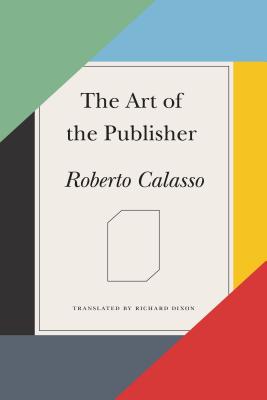
The Art of the Publisher
KSh 2,700.00

The Artist''s Way
KSh 4,500.00

Helping College Students Write
KSh 6,850.00
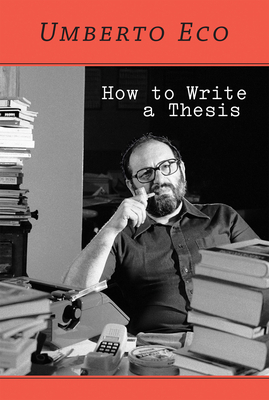
How to Write a Thesis
KSh 4,150.00

Write for Life
KSh 3,400.00
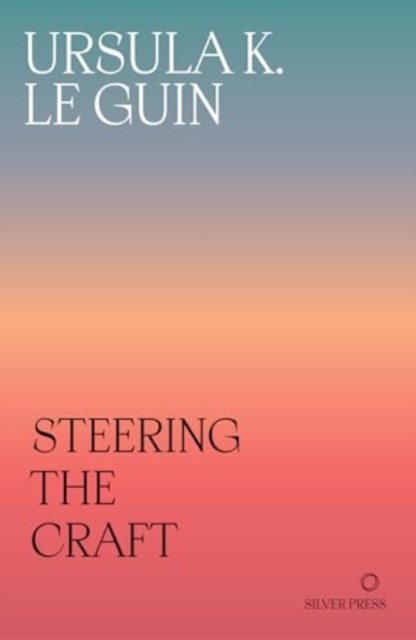
Steering the Craft
KSh 2,500.00

The Elements of Academic Style
KSh 3,600.00

A Story is a Deal
KSh 3,600.00
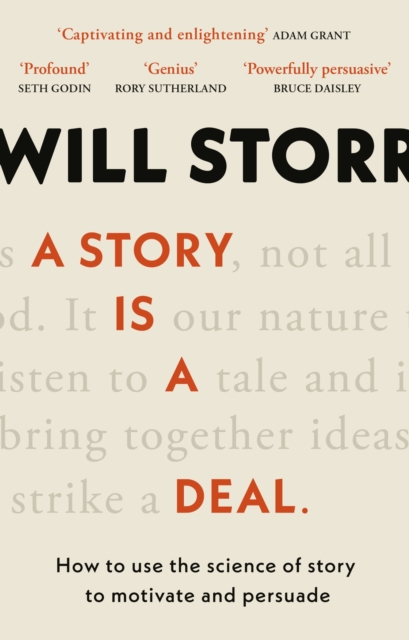
A Story is a Deal
KSh 2,350.00
Political Writing
KSh 9,550.00