
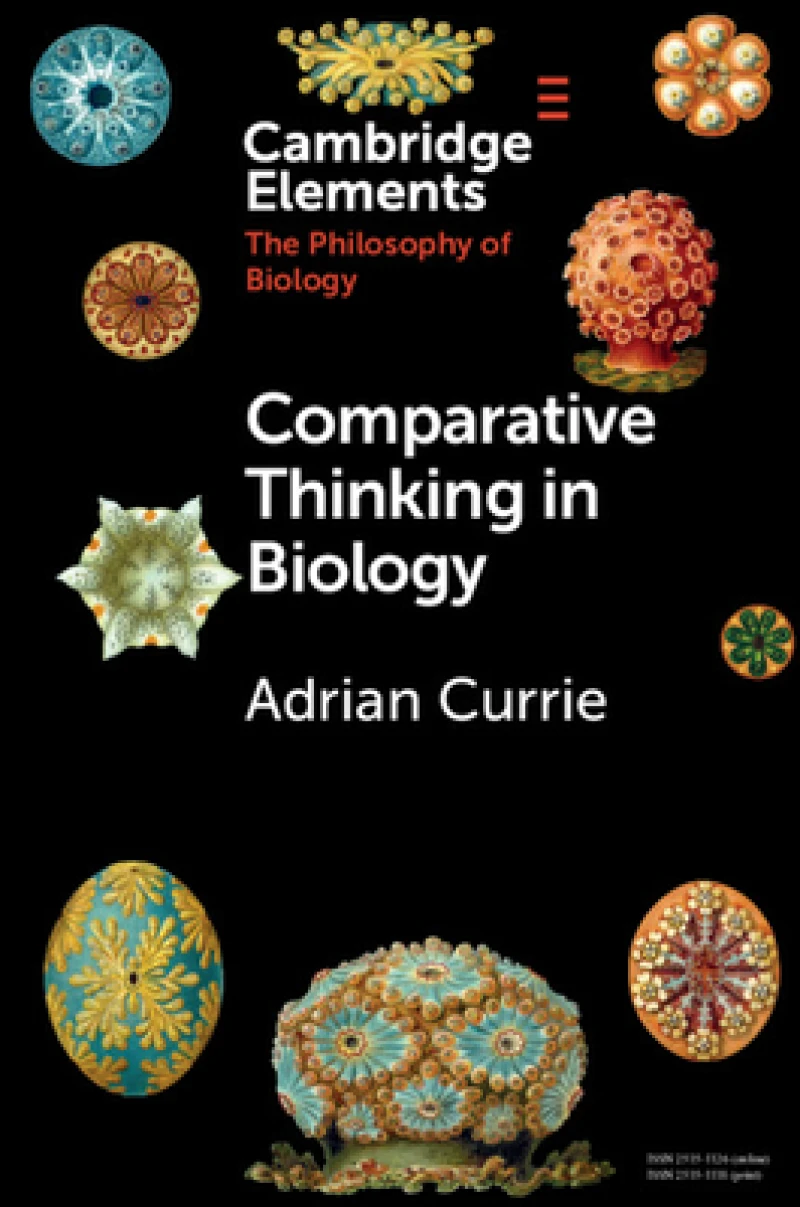
Comparative Thinking in Biology
Book Details
Format
Paperback / Softback
Book Series
Elements in the Philosophy of Biology
ISBN-10
1108727492
ISBN-13
9781108727495
Publisher
Cambridge University Press
Imprint
Cambridge University Press
Country of Manufacture
GB
Country of Publication
GB
Publication Date
Feb 18th, 2021
Print length
100 Pages
Weight
136 grams
Dimensions
15.20 x 22.90 x 1.00 cms
Product Classification:
Biology, life sciences
Ksh 3,250.00
Manufactured on Demand
0 in stock
Delivery Location
Delivery fee: Select location
Secure
Quality
Fast
Analyses 'comparative thinking'. This involves situating living systems into models of various evolutionary processes, comparing them with ancestral relatives and with analogous evolutionary outcomes. The importance of comparative thinking is demonstrated via examination of comparative psychology and macroevolution.
Biologists often study living systems in light of their having evolved, of their being the products of various processes of heredity, adaptation, ancestry, and so on. In their investigations, then, biologists think comparatively: they situate lineages into models of those evolutionary processes, comparing their targets with ancestral relatives and with analogous evolutionary outcomes. This element characterizes this mode of investigation - ''comparative thinking'' - and puts it to work in understanding why biological science takes the shape it does. Importantly, comparative thinking is local: what we can do with knowledge of a lineage is limited by the evolutionary processes into which it fits. In light of this analysis, the Element examines the experimental study of animal cognition, and macroevolutionary investigation of the ''shape of life'', demonstrating the importance of comparative thinking in understanding both the power and limitations of biological knowledge.
Get Comparative Thinking in Biology by at the best price and quality guaranteed only at Werezi Africa's largest book ecommerce store. The book was published by Cambridge University Press and it has pages.

