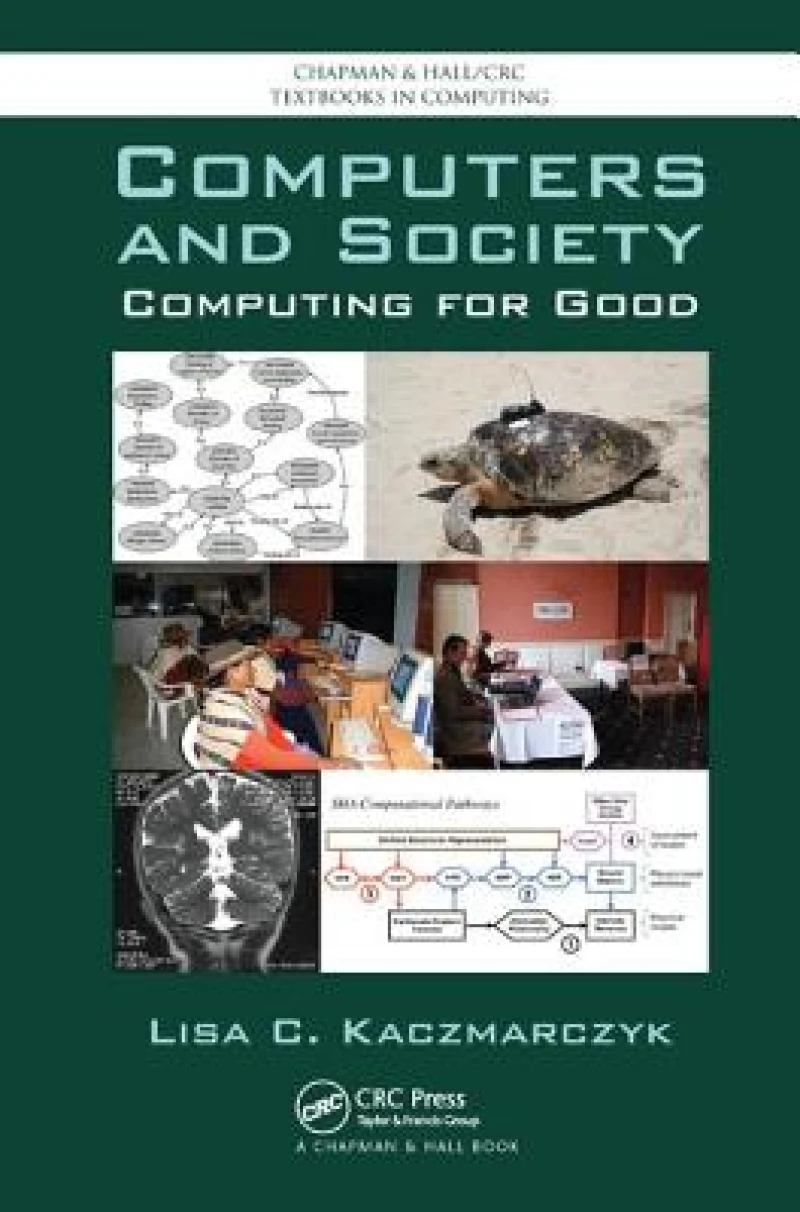
Computers and Society : Computing for Good
Book Details
Format
Hardback or Cased Book
Book Series
Chapman & Hall/CRC Textbooks in Computing
ISBN-10
1138432903
ISBN-13
9781138432901
Publisher
Taylor & Francis Ltd
Imprint
CRC Press
Country of Manufacture
GB
Country of Publication
GB
Publication Date
Jul 27th, 2017
Print length
316 Pages
Weight
453 grams
Ksh 37,800.00
Werezi Extended Catalogue
0 in stock
Delivery Location
Delivery fee: Select location
Secure
Quality
Fast
There is a growing awareness across both public and private sectors, that the key to embedding an effective risk culture lies in raising the general education and understanding of risk at every level in the organization. This is exactly the purpose of David Tattam''s book. A Short Guide to Operational Risk provides you with a basic yet comprehensive overview of the nature of operational risk in organizations. It introduces operational risk as a component of enterprise wide risk management and takes the reader through the processes of identifying, assessing, quantifying and managing operational risk; explaining the practical aspects of how these steps can be applied to an organization using a range of management tools. The book is fully illustrated with graphs, tables and short examples, all designed to make a subject that is often poorly understood, comprehensible and engaging. A Short Guide to Operational Risk is a book to be read and shared at all levels of the organization; it offers a common understanding and language of risk that will provide individual readers with the basis to develop risk management skills, appropriate to their role in the business.
Get Computers and Society by at the best price and quality guaranteed only at Werezi Africa's largest book ecommerce store. The book was published by Taylor & Francis Ltd and it has pages.