
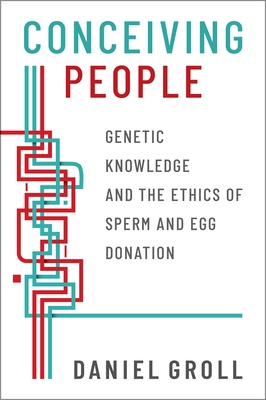
Conceiving People : Genetic Knowledge and the Ethics of Sperm and Egg Donation
by
Daniel Groll
Book Details
Format
Hardback
ISBN-10
019006305X
ISBN-13
9780190063054
Publisher
Oxford University Press Inc
Imprint
Oxford University Press Inc
Country of Manufacture
US
Country of Publication
GB
Publication Date
Nov 30th, 2021
Print length
254 Pages
Weight
508 grams
Dimensions
16.40 x 24.30 x 2.30 cms
KSh 15,250.00
Temporarily out of stock, due soon
0 in stock
Delivery Location
Delivery fee: Select location
Secure
Quality
Fast
This is an open access title available under the terms of a CC BY-NC-ND 4.0 International license. It is free to read at Oxford Scholarship Online and offered as a free PDF download from OUP and selected open access locations.Each year, tens of thousands of children are conceived with donated gametes (sperm or eggs). By some estimates, there are over one million donor-conceived people in the United States and, of course, many more the world over. Some know they are donor-conceived. Some do not. Some know the identity of their donors. Others never will. Questions about what donor-conceived people should know about their genetic progenitors are hugely significant for literally millions of people, including donor-conceived people, their parents, and donors. But the practice of gamete donation also provides a vivid occasion for thinking about questions that matter to everyone. What is the value of knowing who your genetic progenitors are? How are our identities bound up with knowing where we come from? What obligations do parents have to their children? And what makes someone a parent in the first place? In Conceiving People: Identity, Genetics and Gamete Donation, Daniel Groll argues that people who plan to create a child with donated gametes should choose a donor whose identity will be made available to the resulting child. This is not, Groll argues, because having genetic knowledge is fundamentally important. Rather, it is because donor-conceived people are likely to develop a significant interest in having genetic knowledge and parents must help satisfy their children''s significant interests. In other words, because a donor-conceived person is likely to care about having genetic knowledge, their parents should care too.
Get Conceiving People by Daniel Groll at the best price and quality guaranteed only at Werezi Africa's largest book ecommerce store. The book was published by Oxford University Press Inc and it has 254 pages.
Customers Who Bought This Also Bought
Decolonizing Language and Other Revolutionary Ideas
KSh 2,350.00

How to Read a Book
KSh 2,000.00
Decolonizing Language and Other Revolutionary Ideas
KSh 3,600.00

Creative Act
KSh 3,250.00
Groundwork for the Metaphysics of Morals
KSh 2,000.00

Things in Nature Merely
KSh 2,000.00

Meditations – The Philosophy Classic
KSh 2,150.00

Great Ideas Social Contract
KSh 1,450.00
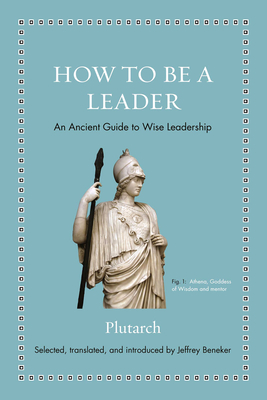
How to Be a Leader – An Ancient Guide to Wise Leadership
KSh 2,800.00

The Daily Laws
KSh 2,350.00

Three Critiques, 3-volume Set
KSh 14,000.00

Philosophical Dictionary
KSh 2,700.00
