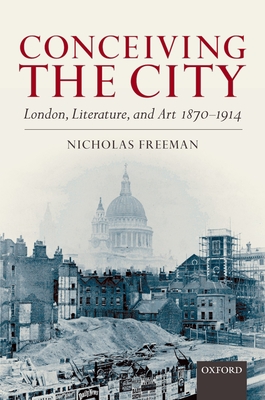
Conceiving the City : London, Literature, and Art 1870-1914
Book Details
Format
Hardback
ISBN-10
0199218188
ISBN-13
9780199218189
Publisher
Oxford University Press
Imprint
Oxford University Press
Country of Manufacture
GB
Country of Publication
GB
Publication Date
Sep 20th, 2007
Print length
256 Pages
Weight
568 grams
Dimensions
23.90 x 16.20 x 1.90 cms
KSh 30,150.00
Temporarily out of stock, due soon
0 in stock
Delivery Location
Delivery fee: Select location
Secure
Quality
Fast
Conceiving the City looks at how major writers and artists - Henry James, Monet, Whistler - as well as less familiar figures represented London in fiction, poetry, essays, and art. It shows that late-Victorian fin-de-siècle London emerged as a focus for dynamic, explicitly modern art as writers and artists broke with earlier tradition and bent realism into exciting new shapes, from naturalism to impressionism and symbolism.
Conceiving the City is an innovative study of the ways in which a generation of late-Victorian novelists, poets, painters, and theoreticians attempted to represent London in literature and art. Breaking away from the language and style of Dickens and the static panorama paintings of William Powell Frith, major figures such as Henry James and J. M. Whistler, and, crucially, less-celebrated authors such as Arthur Machen, Edwin Pugh, and George Egerton bent realism into exciting new shapes. In the naturalism of George Gissing and Arthur Morrison, the fragmentary impressions of Ford Madox Ford, and the brooding mystery of Alvin Langdon Coburn''s photogravures, London emerged as a focus for dynamic, explicitly modern art. Although many of these insights would be dismissed or at least downplayed by subsequent generations, the ideas evolved during the period from 1870 to 1914 anticipate not only the work of high modernists such as Eliot and Woolf, but also that of later urban theorists such as Foucault and de Certeau, and the novels and travelogues of contemporary London writers Peter Ackroyd and Iain Sinclair. Nicholas Freeman recovers a sense of late-Victorian London as a subject for dynamic theoretical and aesthetic experiments, and shows, in stimulating analyses of Conan Doyle, H. G. Wells, Arthur Symons, and others how much of our understanding of urban space we owe to eminent (and not so eminent) Victorian figures. Written in a clear and accessible style, the book restores a much-needed historical perspective to our engagement with the metropolis.
Get Conceiving the City by Nicholas Freeman at the best price and quality guaranteed only at Werezi Africa's largest book ecommerce store. The book was published by Oxford University Press and it has 256 pages.
Customers Who Bought This Also Bought
The Picture of Dorian Gray
KSh 1,250.00
Pride and Prejudice
KSh 1,150.00
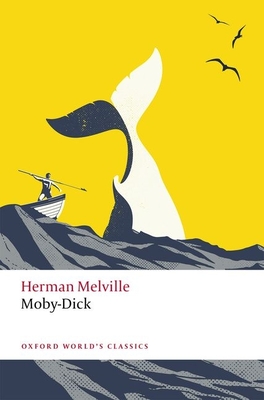
Moby-Dick
KSh 1,750.00
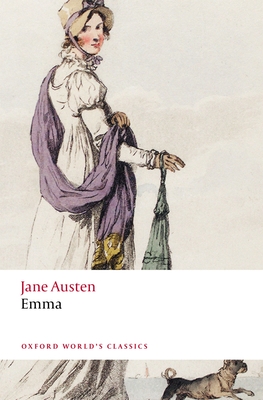
Emma
KSh 1,350.00
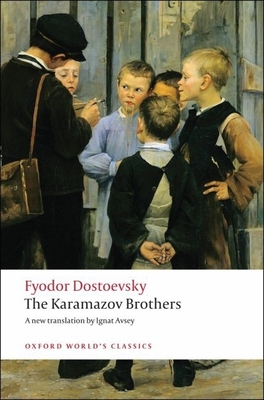
The Karamazov Brothers
KSh 2,100.00
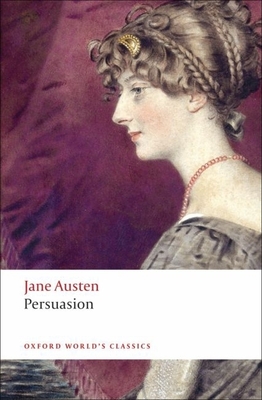
Persuasion
KSh 1,100.00
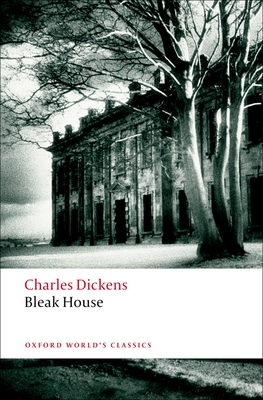
Bleak House
KSh 2,150.00
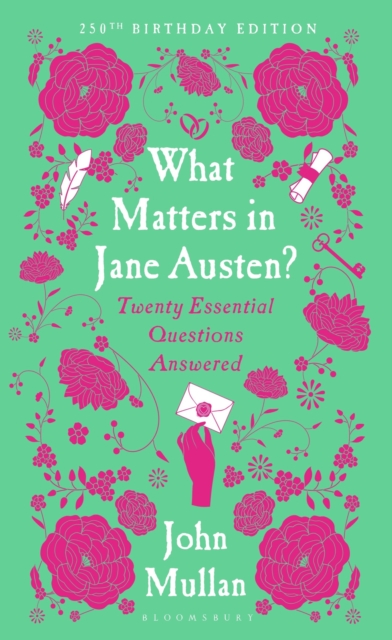
What Matters in Jane Austen?
KSh 2,700.00
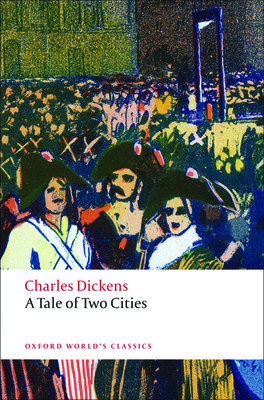
A Tale of Two Cities
KSh 1,200.00
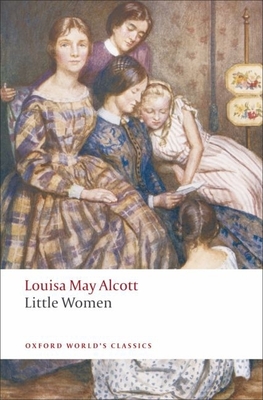
Little Women
KSh 1,550.00
David Copperfield
KSh 2,100.00
Mansfield Park
KSh 1,250.00