

Concise Guide to Formal Methods : Theory, Fundamentals and Industry Applications
1st ed. 2017
Book Details
Delivery Location
Delivery fee: Select location
This stimulating guide provides a broad and accessible overview of formal methods for students of computer science and mathematics curious as to how formal methods are applied to the field of computing.
Get Concise Guide to Formal Methods by Gerard O'Regan at the best price and quality guaranteed only at Werezi Africa's largest book ecommerce store. The book was published by Springer International Publishing AG and it has 322 pages.
Customers Who Bought This Also Bought
Internet Technologies, Applications and Societal Impact
KSh 16,200.00
Advanced Information Systems Engineering
KSh 16,200.00

Exam Ref 70-532 Developing Microsoft Azure Solutions
KSh 6,050.00

A+ Guide to Hardware
KSh 17,000.00
Technological Innovation for Life Improvement
KSh 16,200.00
Reliability and Statistical Computing
KSh 16,200.00
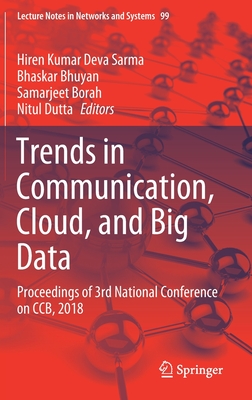
Trends in Communication, Cloud, and Big Data
KSh 23,400.00
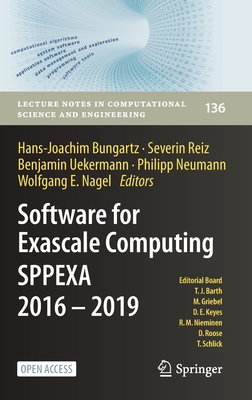
Software for Exascale Computing - SPPEXA 2016-2019
KSh 8,150.00
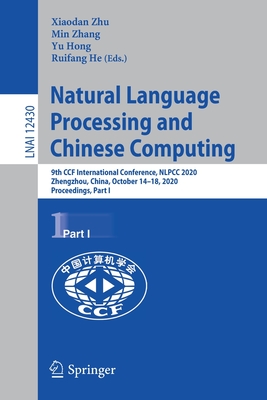
Natural Language Processing and Chinese Computing
KSh 16,200.00
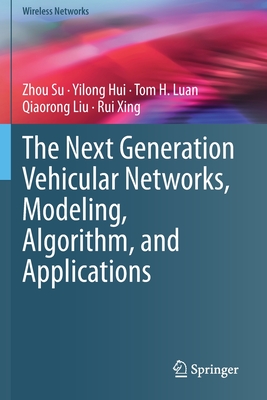
The Next Generation Vehicular Networks, Modeling, Algorithm and Applications
KSh 19,800.00

Verified Software. Theories, Tools and Experiments.
KSh 8,100.00

Multi-Agent Systems
KSh 12,600.00
More by Gerard O'Regan
Guide to Discrete Mathematics
KSh 7,200.00

A Brief History of Computing
KSh 7,200.00

World of Computing
KSh 7,200.00
Pillars of Computing
KSh 5,400.00
Introduction to the History of Computing
KSh 10,800.00
Concise Guide to Software Testing
KSh 8,100.00

A Guide to Business Mathematics
KSh 15,850.00

Mathematical Foundations of Software Engineering
KSh 9,900.00

Guide to Software Project Management
KSh 9,000.00

A Guide to Business Mathematics
KSh 42,300.00

Concise Guide to Software Engineering
KSh 9,000.00

A Brief History of Computing
KSh 9,900.00
More in This Genre
Internet Technologies, Applications and Societal Impact
KSh 16,200.00
Advanced Information Systems Engineering
KSh 16,200.00
Exam Ref 70-532 Developing Microsoft Azure Solutions
KSh 6,050.00
A+ Guide to Hardware
KSh 17,000.00
Technological Innovation for Life Improvement
KSh 16,200.00
Reliability and Statistical Computing
KSh 16,200.00
