Confronting Our Canons : Spanish and Latin American Studies in the 21st Century
Book Details
Format
Paperback / softback
ISBN-10
1611485584
ISBN-13
9781611485585
Publisher
Associated University Presses
Imprint
Bucknell University Press,U.S.
Country of Manufacture
GB
Country of Publication
GB
Publication Date
Mar 12th, 2014
Print length
248 Pages
Weight
364 grams
Dimensions
23.00 x 15.20 x 2.00 cms
Product Classification:
Literary studies: general
KSh 8,900.00
Currently unavailable
0 in stock
Delivery Location
Delivery fee: Select location
Secure
Quality
Fast
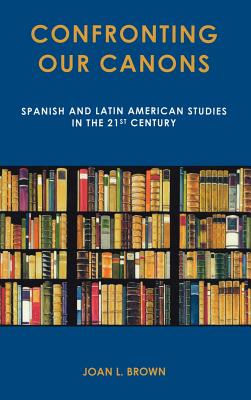
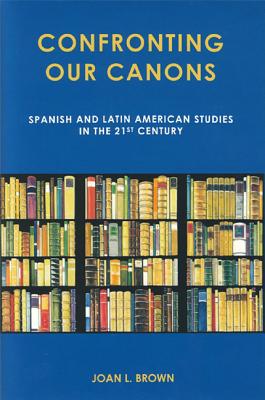
What is a canon and why does it matter? In Confronting Our Canons: Spanish and Latin American Studies in the 21st Century, Joan L. Brown shows that a canon has the power to define a field and determine what is taught. She argues that it is both productive and necessary to confront our canons, to see what is actually in them and how these works and authors got there. Only then can educators take charge of their teaching canons and, by extension, their disciplines. Brown demonstrates that there is little agreement in the reported teaching canons in English and Spanish. Analyzing twentieth- and twenty-first-century required graduate reading lists in Spanish and Latin American literature in the United States, she finds that the core literary canon for graduate students is less comprehensive than the Spanish Advanced Placement reading list for high school students. She encourages the field of Hispanic studies—curators of the cultural patrimony of our country's second language—to take the lead in developing a diverse, flexible, shared foundational canon at the graduate level, before the arbiters of "best practices" do this for us.
Get Confronting Our Canons by Joan L. Brown at the best price and quality guaranteed only at Werezi Africa's largest book ecommerce store. The book was published by Associated University Presses and it has 248 pages.
Customers Who Bought This Also Bought
How to Read a Book
KSh 2,000.00
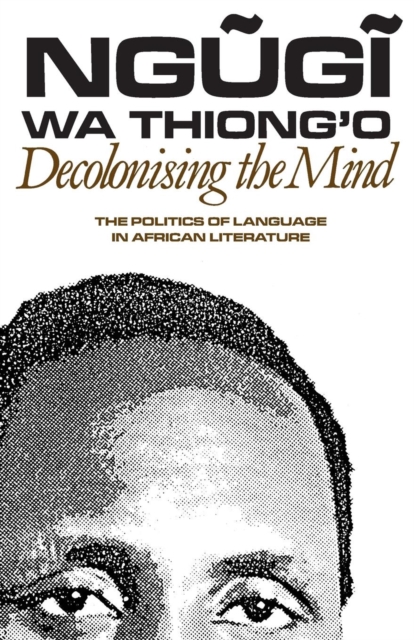
Decolonising the Mind
KSh 4,700.00

How to Read & Why
KSh 2,350.00
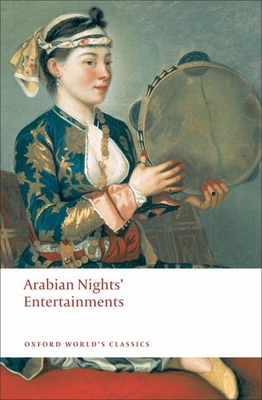
Arabian Nights'' Entertainments
KSh 2,950.00
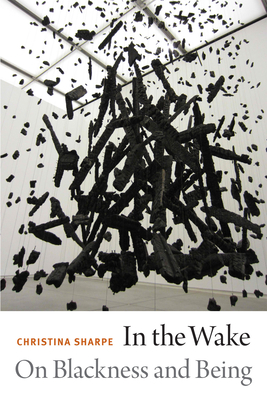
In the Wake
KSh 3,600.00
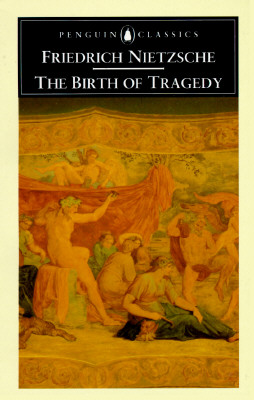
The Birth of Tragedy
KSh 1,800.00
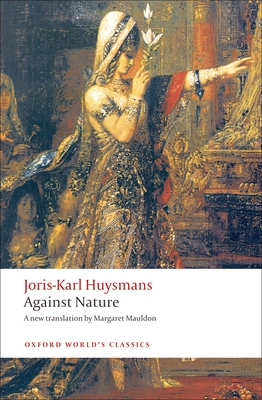
Against Nature
KSh 1,800.00
The White Album
KSh 3,250.00
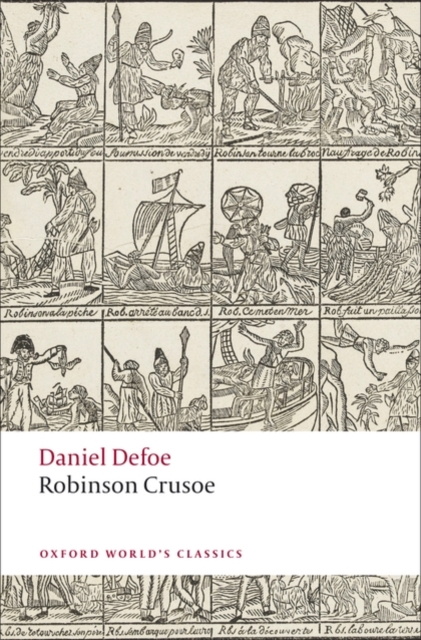
Robinson Crusoe
KSh 1,450.00
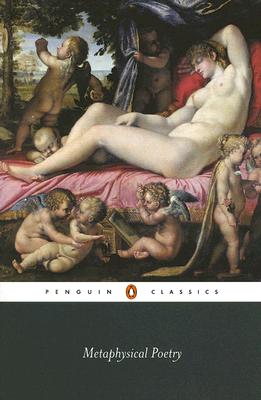
Metaphysical Poetry
KSh 2,350.00
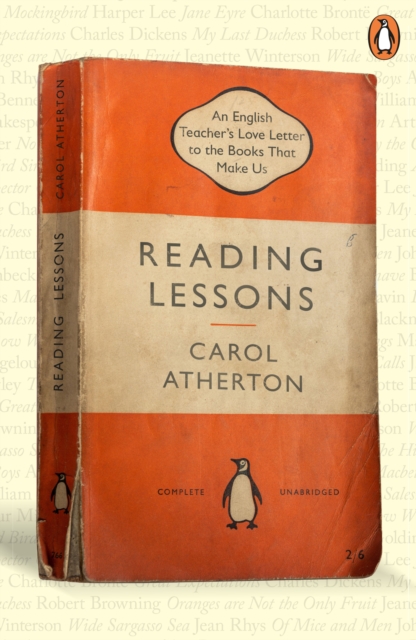
Reading Lessons
KSh 2,350.00

Literature Book
KSh 4,250.00