

Constructing Citizenship in Post-Soviet Contested States : Evidence from Abkhazia, South Ossetia, and Transnistria
Book Details
Format
Hardback
Book Series
Routledge Studies in Statehood
ISBN-10
1041260342
ISBN-13
9781041260349
Publisher
Taylor & Francis Ltd
Imprint
Routledge
Country of Manufacture
GB
Country of Publication
GB
Publication Date
Sep 18th, 2026
Print length
200 Pages
Product Classification:
Regional studiesPeace studies & conflict resolutionRegional / International studiesPeace studies and conflict resolutionSocial & political philosophyNationalismNationalism and nationalist ideologies and movementsInternational relationsWarfare & defenceWarfare and defenceSocial and political philosophy
KSh 30,950.00
Currently unavailable
0 in stock
Delivery Location
Delivery fee: Select location
Secure
Quality
Fast
This book explains how the phenomenon of citizenship has been constructed in three contested states in the former Soviet space.
This book explains how the phenomenon of citizenship has been constructed in three contested states in the former Soviet space. Citizenship is a source of (legal) identity that provides access to resources, rights, and recognition. However, the disputed nature of contested states leads to their citizens being subject to multiple (conflicting) citizenship regimes. Drawing on legal analysis, interviews, and survey data, this book sheds light on the complex relationship between contested statehood, sovereignty, state recognition, citizenship regimes, and the politics of belonging. Using the lenses of multiplicity and human/state security, the book explores and explains how the phenomenon of citizenship has been constructed in three post-Soviet contested states: Abkhazia, South Ossetia, and Transnistria. The book finds that the contested nature of these states require their citizens to navigate between the citizenship regimes of the contested, claimant, patron, and third states. Experiences of citizenship change depending on physical location, determinations by different states as to what legal status(es) an individual holds, and legislative and political changes. Meanwhile, at the state level, citizenship is used as a state- and nation-building tool to enhance ethnodemographic security by excluding undesired groups and including desired ones. Lastly, the book emphasises the normalisation discourse among (citizens of) contested states regarding their citizenship and security. This discourse evidences a broader pattern among contested states, highlighting that their state- and nation-building projects are not markedly different from those of recognised states. This book will be of much interest to students of statehood, de facto states, citizenship, Eastern European politics and International Relations.
Get Constructing Citizenship in Post-Soviet Contested States by Ramesh Ganohariti at the best price and quality guaranteed only at Werezi Africa's largest book ecommerce store. The book was published by Taylor & Francis Ltd and it has 200 pages.
Customers Who Bought This Also Bought
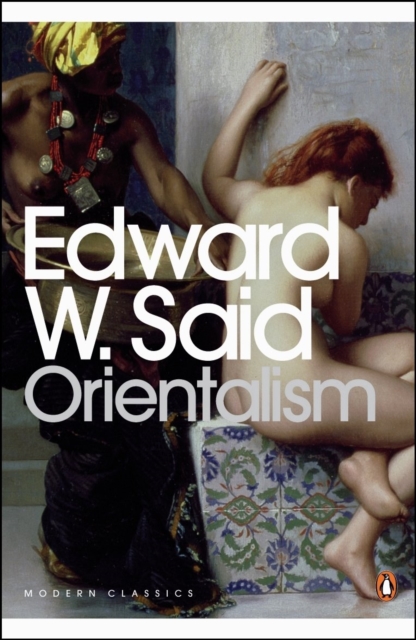
Orientalism
KSh 2,350.00
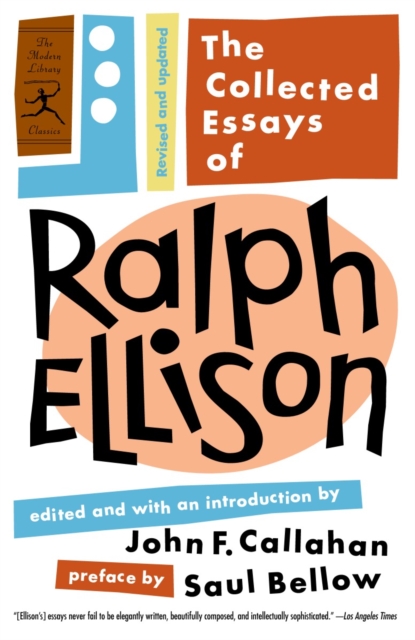
The Collected Essays of Ralph Ellison
KSh 3,600.00
Jorge Amado
KSh 8,850.00
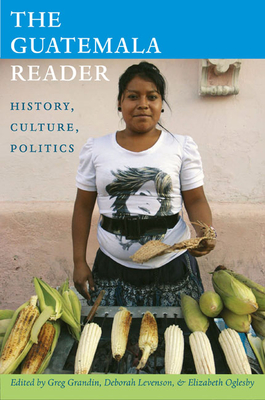
The Guatemala Reader
KSh 4,950.00
Jorge Amado
KSh 30,950.00
Demoralization of Teachers
KSh 15,450.00
Except for Palestine
KSh 3,400.00
A Grammar of Mangghuer
KSh 10,050.00
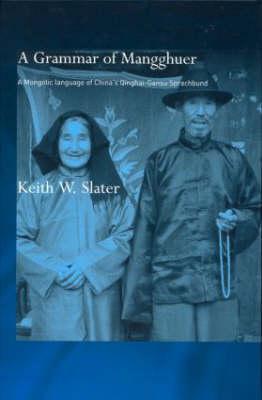
Grammar of Mangghuer
KSh 30,950.00

Routledge Handbook on China-Middle East Relations
KSh 9,250.00
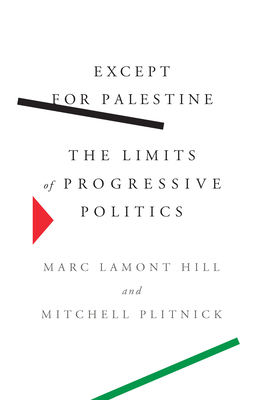
Except for Palestine
KSh 3,400.00
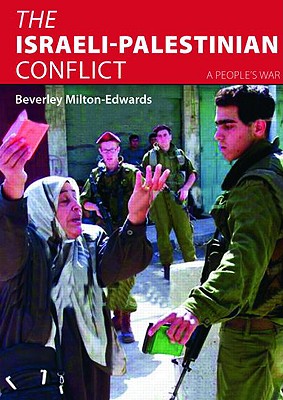
The Israeli-Palestinian Conflict
KSh 9,200.00

