

Constructing Disability After the Great War : Blind Veterans in the Progressive Era
New
Book Details
Format
Hardback
Book Series
Disability Histories
ISBN-10
0252046161
ISBN-13
9780252046162
Edition
New
Publisher
University of Illinois Press
Imprint
University of Illinois Press
Country of Manufacture
US
Country of Publication
GB
Publication Date
Nov 30th, 2024
Print length
192 Pages
Weight
454 grams
Product Classification:
20th century history: c 1900 to c 2000First World WarDisability: social aspectsMilitary veterans
KSh 15,850.00
Currently unavailable
0 in stock
Delivery Location
Delivery fee: Select location
Secure
Quality
Fast
As Americans--both civilians and veterans--worked to determine the meanings of identity for blind veterans of World War I, they bound cultural constructs of blindness to all the emotions and contingencies of mobilizing and fighting the war, and healing from its traumas. Sighted Americans’ wartime rehabilitation culture centered blind soldiers and veterans in a mix of inspirational stories. Veterans worked to become productive members of society even as ableism confined their unique life experiences to a collection of cultural tropes that suggested they were either downcast wrecks of their former selves or were morally superior and relatively flawless as they overcame their disabilities and triumphantly journeyed toward successful citizenship. Sullivan investigates the rich lives of blind soldiers and veterans and their families to reveal how they confronted barriers, gained an education, earned a living, and managed their self-image while continually exposed to the public’s scrutiny of their success and failures.
As Americans--both civilians and veterans--worked to determine the meanings of identity for blind veterans of World War I, they bound cultural constructs of blindness to all the emotions and contingencies of mobilizing and fighting the war, and healing from its traumas. Sighted Americans wartime rehabilitation culture centered blind soldiers and veterans in a mix of inspirational stories. Veterans worked to become productive members of society even as ableism confined their unique life experiences to a collection of cultural tropes that suggested they were either downcast wrecks of their former selves or were morally superior and relatively flawless as they overcame their disabilities and triumphantly journeyed toward successful citizenship. Sullivan investigates the rich lives of blind soldiers and veterans and their families to reveal how they confronted barriers, gained an education, earned a living, and managed their self-image while continually exposed to the publics scrutiny of their success and failures.
Get Constructing Disability After the Great War by Evan P. Sullivan at the best price and quality guaranteed only at Werezi Africa's largest book ecommerce store. The book was published by University of Illinois Press and it has 192 pages.
Customers Who Bought This Also Bought
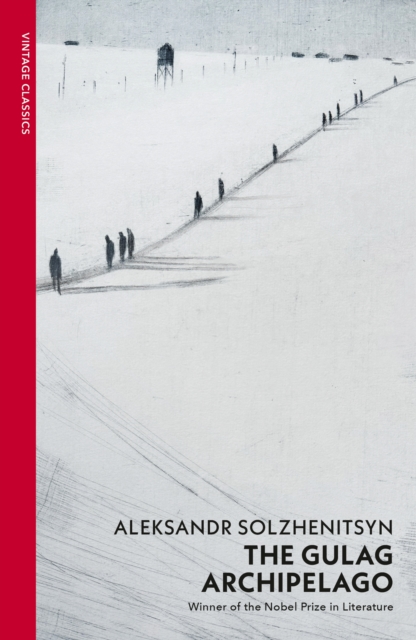
Gulag Archipelago
KSh 2,700.00

Churchill
KSh 3,700.00

Modern Africa
KSh 11,500.00

Kairos
KSh 1,800.00
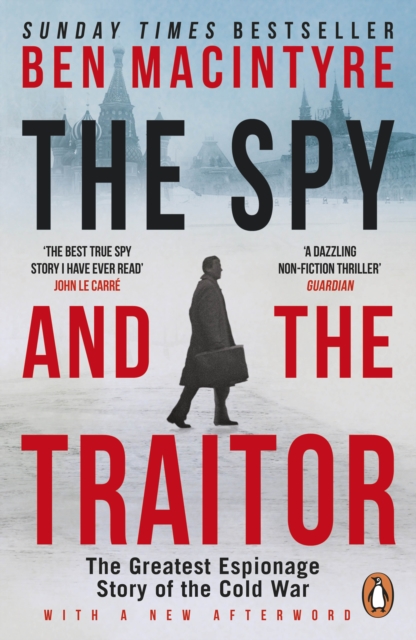
Spy and the Traitor
KSh 2,150.00

Crusade for Justice – The Autobiography of Ida B. Wells, Second Edition
KSh 4,050.00

Killers of the Flower Moon
KSh 2,000.00
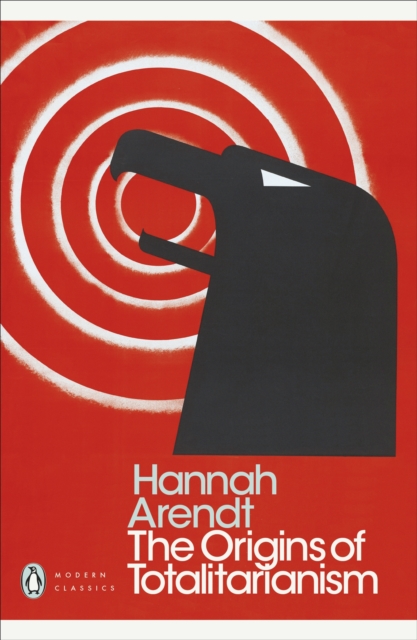
The Origins of Totalitarianism
KSh 2,700.00

On Tyranny
KSh 2,000.00

Gandhi 1914-1948
KSh 3,950.00
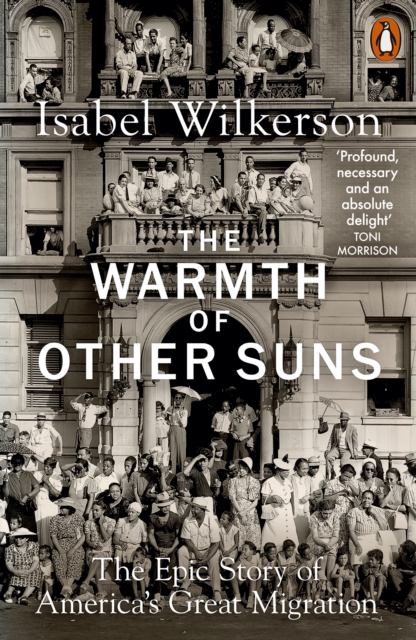
Warmth of Other Suns
KSh 3,050.00
Trapped in History
KSh 2,350.00

