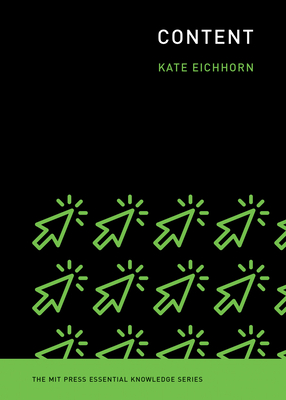
Content
Book Details
Format
Paperback / softback
Book Series
The MIT Press Essential Knowledge series
ISBN-10
0262543281
ISBN-13
9780262543286
Publisher
MIT Press Ltd
Imprint
MIT Press
Country of Manufacture
GB
Country of Publication
GB
Publication Date
May 10th, 2022
Print length
176 Pages
Weight
182 grams
Dimensions
12.70 x 17.60 x 3.00 cms
Product Classification:
Society and culture: generalSociety & culture: general
KSh 2,700.00
Werezi Extended Catalogue
Delivery in 12 days
2 copies in stock
Delivery Location
Delivery fee: Select location
Delivery in 12 days
Secure
Quality
Fast
A concise introduction to content and the content industry, from the early internet to the Instagram egg.
From the time we roll out of bed to check overnight updates to our last posts, likes, and views of the previous day, we''re consuming and producing content. But what does the term “content” even mean? When did it become ubiquitous? And at what cost? In this volume in the MIT Press Essential Knowledge series, Kate Eichhorn offers a concise introduction to content and the content industry, examining the far-reaching effects content has on culture, politics, and labor in a digital age.
Eichhorn traces the evolution of our current understanding of content from the early internet to the current social mediaverse. The quintessential example of content, she says, is the Instagram egg—an image that imparted no information or knowledge and circulated simply for the sake of circulation. Eichhorn explores what differentiates user-generated content from content produced by compensated (although often undercompensated) workers; examines how fields from art and literature to journalism and politics have weathered the rise of the content industry; and investigates the increasing importance of artists’ “content capital”—the ability of artists, writers, and performers to produce content not about their work but about their status as artists.
From the time we roll out of bed to check overnight updates to our last posts, likes, and views of the previous day, we''re consuming and producing content. But what does the term “content” even mean? When did it become ubiquitous? And at what cost? In this volume in the MIT Press Essential Knowledge series, Kate Eichhorn offers a concise introduction to content and the content industry, examining the far-reaching effects content has on culture, politics, and labor in a digital age.
Eichhorn traces the evolution of our current understanding of content from the early internet to the current social mediaverse. The quintessential example of content, she says, is the Instagram egg—an image that imparted no information or knowledge and circulated simply for the sake of circulation. Eichhorn explores what differentiates user-generated content from content produced by compensated (although often undercompensated) workers; examines how fields from art and literature to journalism and politics have weathered the rise of the content industry; and investigates the increasing importance of artists’ “content capital”—the ability of artists, writers, and performers to produce content not about their work but about their status as artists.
Get Content by Kate Eichhorn at the best price and quality guaranteed only at Werezi Africa's largest book ecommerce store. The book was published by MIT Press Ltd and it has 176 pages.
Customers Who Bought This Also Bought

Africa Dances
KSh 2,700.00

Its Our Turn to Eat
KSh 2,350.00

Stranger Faces
KSh 2,500.00
The 48 Laws Of Power
KSh 3,600.00
Wild Seed
KSh 2,350.00

Patternmaster
KSh 2,350.00

Clay's Ark
KSh 2,350.00
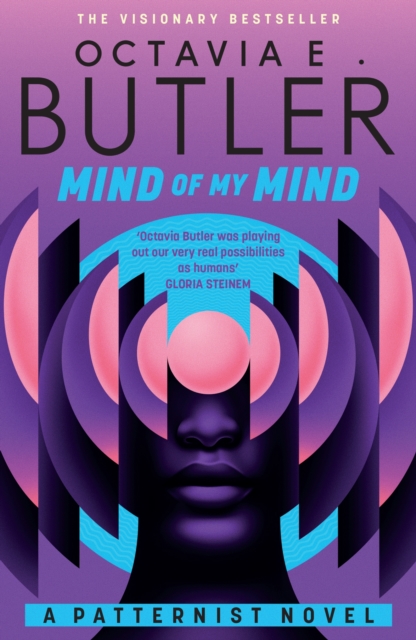
Mind of My Mind
KSh 2,350.00

Clay''s Ark
KSh 2,000.00

Mind of My Mind
KSh 2,000.00

Biased
KSh 2,150.00

Identity
KSh 2,150.00