
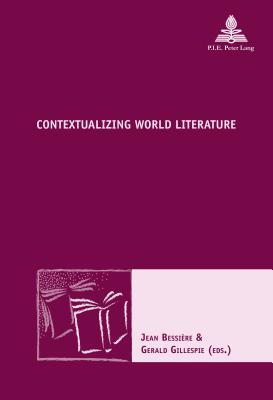
Contextualizing World Literature
New
Book Details
Format
Paperback / softback
ISBN-10
2875742833
ISBN-13
9782875742834
Edition
New
Publisher
Peter Lang AG, Internationaler Verlag der Wissenschaften
Imprint
Peter Lang AG, Internationaler Verlag der Wissensc
Country of Manufacture
BE
Country of Publication
GB
Publication Date
Aug 11th, 2015
Print length
166 Pages
Weight
244 grams
Dimensions
15.30 x 22.10 x 0.90 cms
Product Classification:
Literary studies: general
KSh 6,250.00
Currently unavailable
0 in stock
Delivery Location
Delivery fee: Select location
Secure
Quality
Fast
14 scholars, from Europe, Asia, North and South America and Africa address issues in World Literature. They defend approaching the world-relatedness of non-Eurocentric cultures without blinkers, present the macro- and microcosmic dimensions of regional and world connectedness and its processes, and posit methodological and hermeneutic challenges.
This book revisits the notion of World Literature and its applications in Comparative Literature. It suggests the notion not as a means to sift out international paradigms for reading literatures, but as a set of guidelines for the construction of interlocking and/or reciprocally illuminating multilingual literary clusters. These ensembles are of very diverse shapes: the world, a region, a country, a language block, a network of cross-cultural «interferences» – while the so-called minor literatures invite to question the use of these ensembles. Within this frame, fourteen essays respond to the basic paradox of World Literature: how may specific methodological and critical outlooks allow expression of the universal? The answers to this question can be arranged in three groups: 1. Recognition of the need to break loose from European or Western critical perspectives; 2. Presentation of macro- and microcosmic dimensions connectedness and its processes; 3. Definitions of the methodological efforts and hermeneutic orientations to be applied.
Get Contextualizing World Literature by Gerald Gillespie at the best price and quality guaranteed only at Werezi Africa's largest book ecommerce store. The book was published by Peter Lang AG, Internationaler Verlag der Wissenschaften and it has 166 pages.
Customers Who Bought This Also Bought
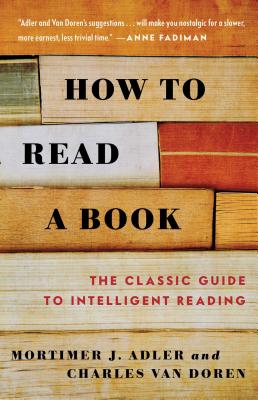
How to Read a Book
KSh 2,000.00
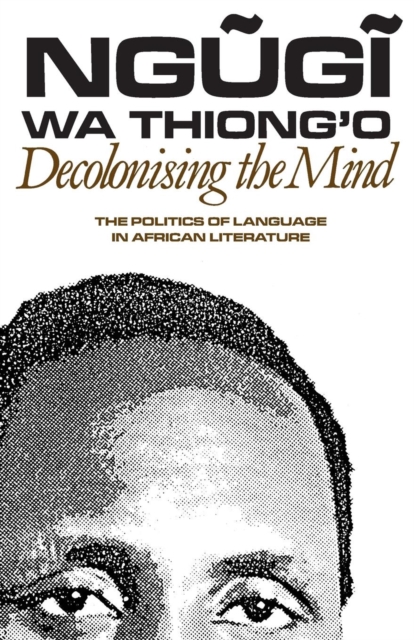
Decolonising the Mind
KSh 4,700.00

How to Read & Why
KSh 2,350.00
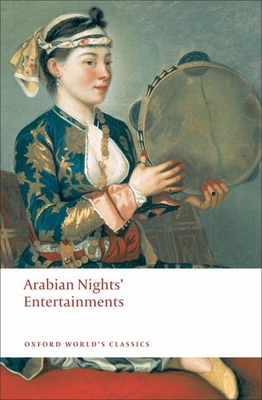
Arabian Nights'' Entertainments
KSh 2,950.00
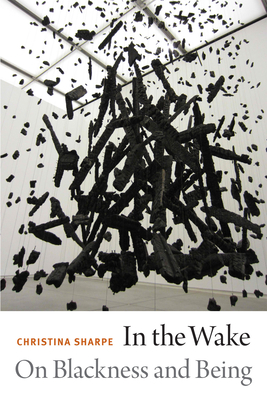
In the Wake
KSh 3,600.00
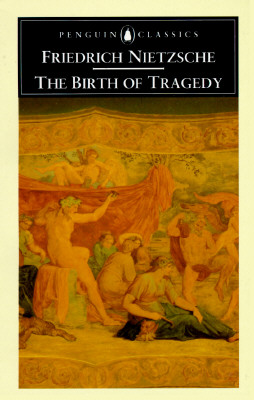
The Birth of Tragedy
KSh 1,800.00
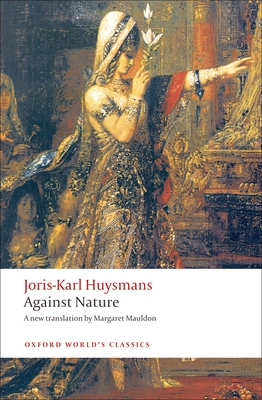
Against Nature
KSh 1,800.00
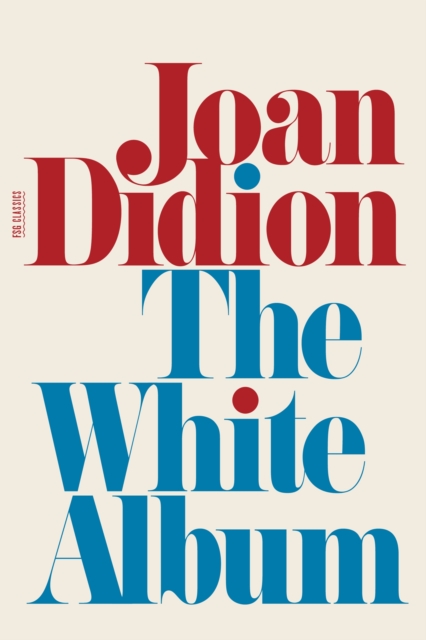
The White Album
KSh 3,250.00
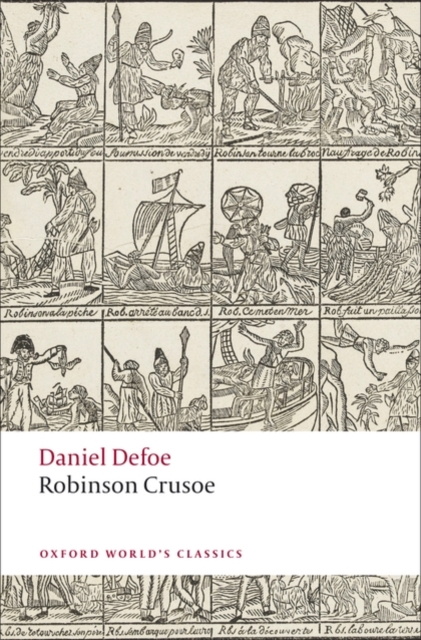
Robinson Crusoe
KSh 1,450.00
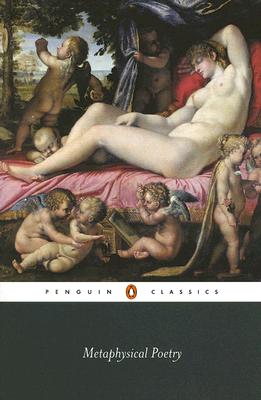
Metaphysical Poetry
KSh 2,350.00
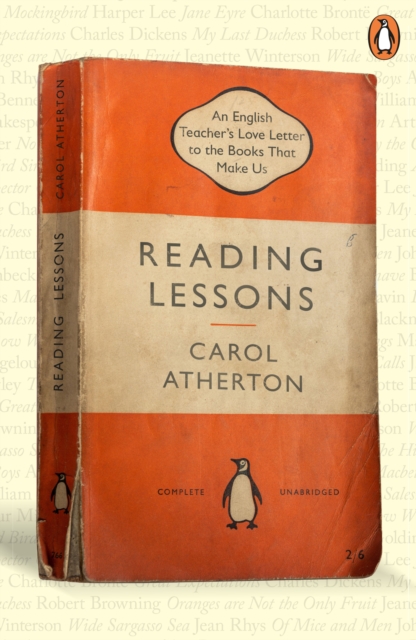
Reading Lessons
KSh 2,350.00

Literature Book
KSh 4,250.00
