
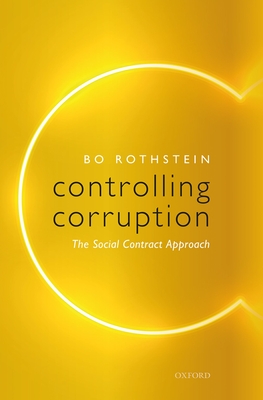
Controlling Corruption : The Social Contract Approach
by
Bo Rothstein
Book Details
Format
Paperback / softback
ISBN-10
0192894919
ISBN-13
9780192894915
Publisher
Oxford University Press
Imprint
Oxford University Press
Country of Manufacture
GB
Country of Publication
GB
Publication Date
Mar 18th, 2021
Print length
208 Pages
Weight
330 grams
Dimensions
15.60 x 23.30 x 1.90 cms
Product Classification:
SociologyComparative politics
KSh 7,000.00
Temporarily out of stock, due soon
0 in stock
Delivery Location
Delivery fee: Select location
Secure
Quality
Fast
This book presents a radically new approach of how societies can bring corruption under control.
This book presents a radically new approach of how societies can bring corruption under control. Since the late 1990s, the detrimental effects of corruption to human well-being have become well established in research. This has resulted in a stark increase in anti-corruption programs launched by international organizations such as the World Bank, the African Union, the EU, as well as many national development organizations. Despite these efforts, evaluations of the effects of these anti-corruption programs have been disappointing. As it can be measured, it is difficult to find substantial effects from such anti-corruption programs. The argument in this book is that this huge policy failure can be explained by three factors. Firstly, it argues that the corruption problem has been poorly conceptualized since what should count as the opposite of corruption has been left out. Secondly, the problem has been located in the wrong social spaces. It is neither a cultural nor a legal problem. Instead, it is for the most part located in what organization theory defines as the ''standard operating procedures'' in social organizations. Thirdly, the general theory that has dominated anti-corruption efforts -- the principal-agent theory -- is based on serious misspecification of the basic nature of the problem. The book presents a reconceptualization of corruption and a new theory -- drawing on the tradition of the social contract - to explain it and motivate policies of how to get corruption under control. Several empirical cases serve to underpin this new theory ranging from the historical organization of religious practices to specific social policies, universal education, gender equality, and auditing. Combined, these amount to a strategic theory known as ''the indirect approach''.
Get Controlling Corruption by Bo Rothstein at the best price and quality guaranteed only at Werezi Africa's largest book ecommerce store. The book was published by Oxford University Press and it has 208 pages.
Customers Who Bought This Also Bought
Caste
KSh 2,700.00
On Freedom
KSh 2,350.00

Extinction of Experience
KSh 3,950.00
Revenge of the Tipping Point
KSh 2,350.00

Lost Girls
KSh 2,000.00

Right to Sex
KSh 2,000.00
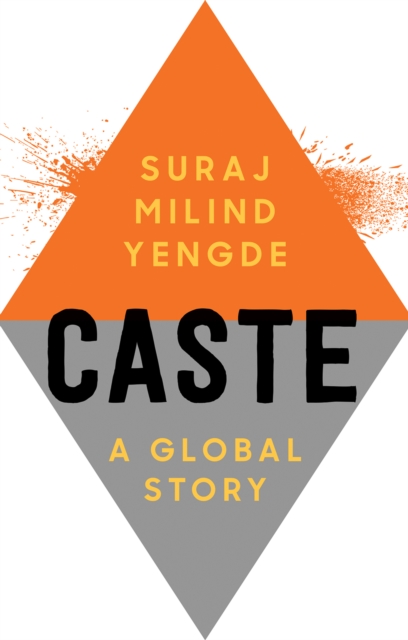
Caste
KSh 4,550.00
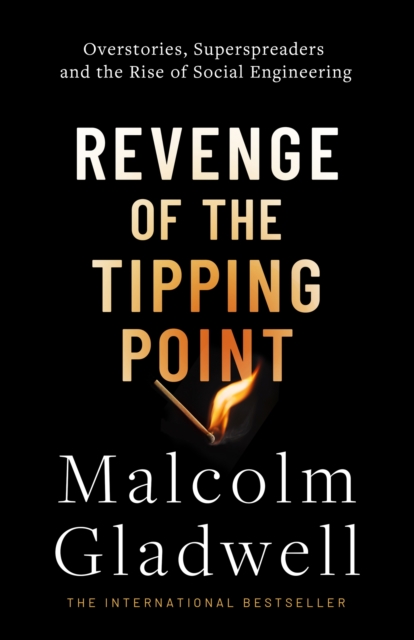
Revenge of the Tipping Point
KSh 4,500.00
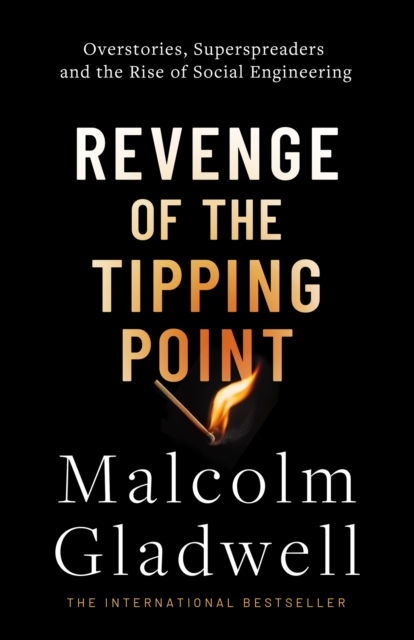
Revenge of the Tipping Point
KSh 3,050.00

Can Feminism Be African
KSh 2,000.00

Can Feminism Be African
KSh 3,950.00

History of Sexuality: 2
KSh 2,350.00
More by Bo Rothstein
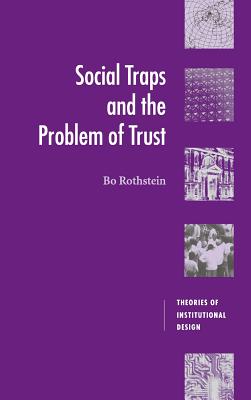
Social Traps and the Problem of Trust
KSh 17,800.00
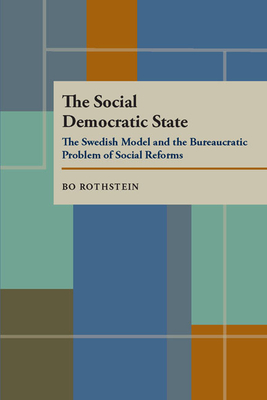
The Social Democratic State
KSh 8,100.00
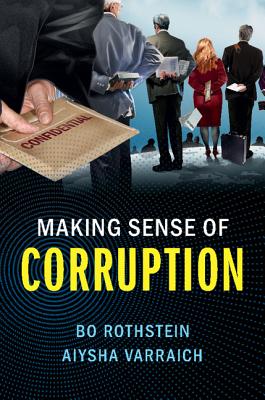
Making Sense of Corruption
KSh 4,150.00

The Quality of Government
KSh 18,000.00

Controlling Corruption
KSh 21,150.00
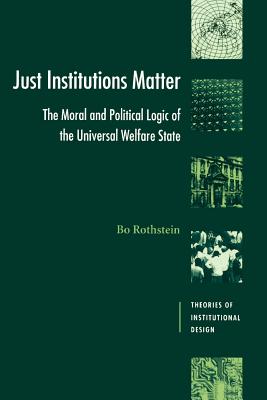
Just Institutions Matter
KSh 6,950.00
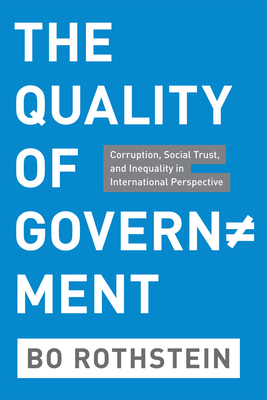
The Quality of Government - Corruption, Socialtrust and Inequality in International Perspective
KSh 5,650.00
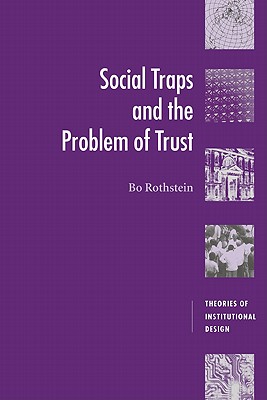
Social Traps and the Problem of Trust
KSh 6,250.00
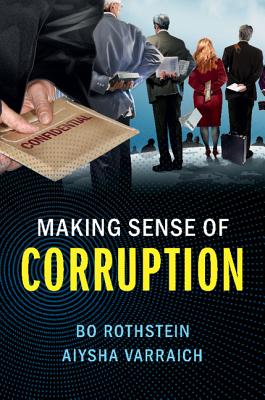
Making Sense of Corruption
KSh 8,650.00
