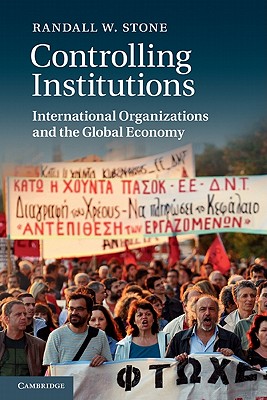
Controlling Institutions : International Organizations and the Global Economy
Book Details
Format
Paperback / softback
ISBN-10
0521183065
ISBN-13
9780521183062
Publisher
Cambridge University Press
Imprint
Cambridge University Press
Country of Manufacture
GB
Country of Publication
GB
Publication Date
Mar 3rd, 2011
Print length
274 Pages
Weight
412 grams
Dimensions
22.30 x 15.20 x 1.40 cms
KSh 6,250.00
Currently unavailable
0 in stock
Delivery Location
Delivery fee: Select location
Secure
Quality
Fast
Politics in international organizations does not follow formal rules. Through studies of the International Monetary Fund, the World Trade Organization and the European Union, Randall W. Stone shows how informal power explains variations in institutional design, performance and legitimacy, and explains how international organizations really function.
How is the United States able to control the IMF with only 17 per cent of the votes? How are the rules of the global economy made? This book shows how a combination of formal and informal rules explains how international organizations really work. Randall W. Stone argues that formal rules apply in ordinary times, while informal power allows leading states to exert control when the stakes are high. International organizations are therefore best understood as equilibrium outcomes that balance the power and interests of the leading state and the member countries. Presenting a new model of institutional design and comparing the IMF, WTO, and EU, Stone argues that institutional variations reflect the distribution of power and interests. He shows that US interests influence the size, terms, and enforcement of IMF programs, and new data, archival documents, and interviews reveal the shortcomings of IMF programs in Mexico, Russia, Korea, Indonesia, and Argentina.
Get Controlling Institutions by Randall W. Stone at the best price and quality guaranteed only at Werezi Africa's largest book ecommerce store. The book was published by Cambridge University Press and it has 274 pages.
Customers Who Bought This Also Bought
Regime Change
KSh 5,050.00
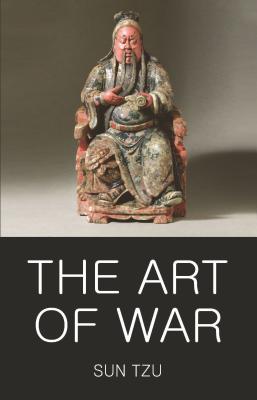
Art of War / The Book of Lord Shang
KSh 1,100.00
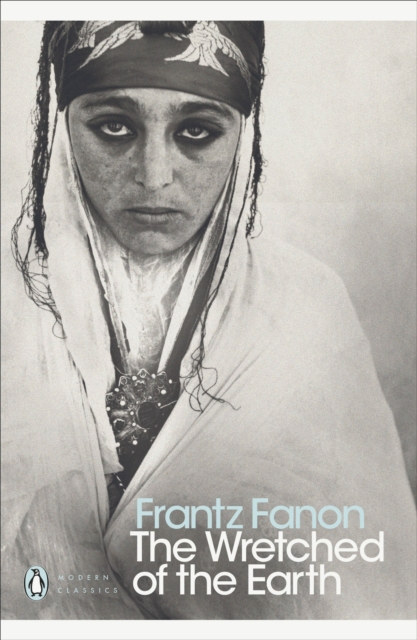
Wretched of the Earth
KSh 2,000.00

White Saviorism In International Development
KSh 3,800.00
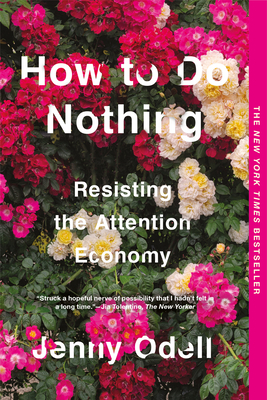
How To Do Nothing
KSh 2,700.00

How Civil Wars Start
KSh 2,000.00

Tomorrow Is Yesterday
KSh 4,700.00
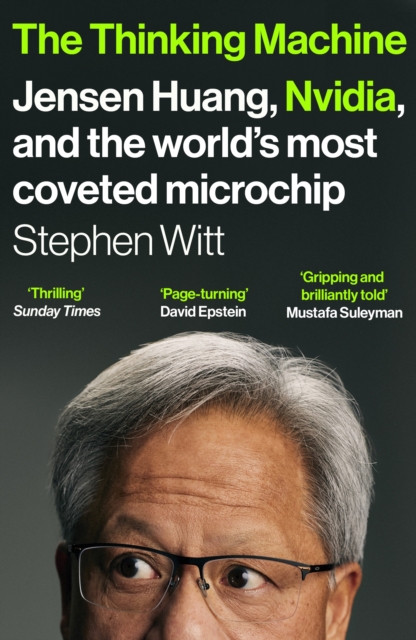
The Thinking Machine
KSh 2,350.00

Second Treatise of Government – Norton Library
KSh 1,600.00

Becoming
KSh 2,350.00

A River in Darkness
KSh 1,250.00
Warning to the West
KSh 1,600.00