
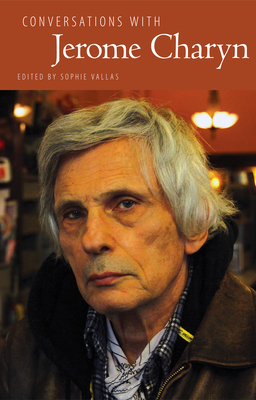
Conversations with Jerome Charyn
Book Details
Format
Hardback
Book Series
Literary Conversations Series
ISBN-10
162846089X
ISBN-13
9781628460896
Publisher
University Press of Mississippi
Imprint
University Press of Mississippi
Country of Manufacture
US
Country of Publication
GB
Publication Date
Sep 30th, 2014
Print length
164 Pages
Weight
420 grams
Dimensions
22.80 x 15.20 x 1.40 cms
KSh 15,850.00
Currently unavailable
0 in stock
Delivery Location
Delivery fee: Select location
Secure
Quality
Fast
This volume of fourteen interviews covers the prolific and rich career of author Jerome Charyn (b. 1937). Charyn''s writing thrives on constant currents: the words “voice”, “song”, “undersong”, or “rhythm” return frequently in his interviews as he explains what literature is to him and ceaselessly asserts that he is trying “to find a music for a musicless world”, a language for “people who cannot speak”.
This volume of fourteen interviews covers the prolific and rich career of author Jerome Charyn (b. 1937). Four of the interviews appear in English for the first time, and two interviews appear here in print for the first time as well.
As one of his autobiographical volumes claims, Jerome Charyn is a ""Bronx Boy,"" a child born from immigrant parents who went through Ellis Island in the 1920s like so many other travelers without luggage, a ""little werewolf"" who grew up on his own in the chaos of the Bronx ghetto. ""I think I was defined by two things: World War Two and the movies."" His work remains deeply marked by this childhood largely forgotten by the American Dream. If Charyn has spent much of his life in Paris, he has paradoxically never left the Bronx: ""''El Bronx'' is there inside my head, and I revisit it the way Hemingway would fish the Big Two-Hearted River in his dreams."" His whole work is a long attempt at evoking his own history and celebrating his lifelong marveling at the power of language--""our second skin""--as well as his deep, unflinching belief in the promises of fiction.
Since 1964, Charyn has published more than fifty books ranging from fiction to nonfiction and including short stories, very popular crime novels, graphic novels co-written with European artists, essays on American culture and cinema as well as on New York, autobiography and biography--an ever-changing production that has made it difficult for critics to classify him. And yet in many ways Charyn''s writing thrives on constant currents: the words ""voice,"" ""song,"" ""undersong,"" or ""rhythm"" return frequently in his interviews as he explains what literature is to him and ceaselessly asserts that he is trying ""to find a music for a musicless world,"" a language for ""people who cannot speak.""
As one of his autobiographical volumes claims, Jerome Charyn is a ""Bronx Boy,"" a child born from immigrant parents who went through Ellis Island in the 1920s like so many other travelers without luggage, a ""little werewolf"" who grew up on his own in the chaos of the Bronx ghetto. ""I think I was defined by two things: World War Two and the movies."" His work remains deeply marked by this childhood largely forgotten by the American Dream. If Charyn has spent much of his life in Paris, he has paradoxically never left the Bronx: ""''El Bronx'' is there inside my head, and I revisit it the way Hemingway would fish the Big Two-Hearted River in his dreams."" His whole work is a long attempt at evoking his own history and celebrating his lifelong marveling at the power of language--""our second skin""--as well as his deep, unflinching belief in the promises of fiction.
Since 1964, Charyn has published more than fifty books ranging from fiction to nonfiction and including short stories, very popular crime novels, graphic novels co-written with European artists, essays on American culture and cinema as well as on New York, autobiography and biography--an ever-changing production that has made it difficult for critics to classify him. And yet in many ways Charyn''s writing thrives on constant currents: the words ""voice,"" ""song,"" ""undersong,"" or ""rhythm"" return frequently in his interviews as he explains what literature is to him and ceaselessly asserts that he is trying ""to find a music for a musicless world,"" a language for ""people who cannot speak.""
Get Conversations with Jerome Charyn by Sophie Vallas at the best price and quality guaranteed only at Werezi Africa's largest book ecommerce store. The book was published by University Press of Mississippi and it has 164 pages.
Customers Who Bought This Also Bought
Herself Surprised, To Be a Pilgrim, The Horse''s Mouth
KSh 4,500.00

Labyrinths
KSh 2,000.00
Letter to my Father
KSh 1,750.00
Hunter
KSh 2,350.00

Rainbow in the Cloud
KSh 2,350.00
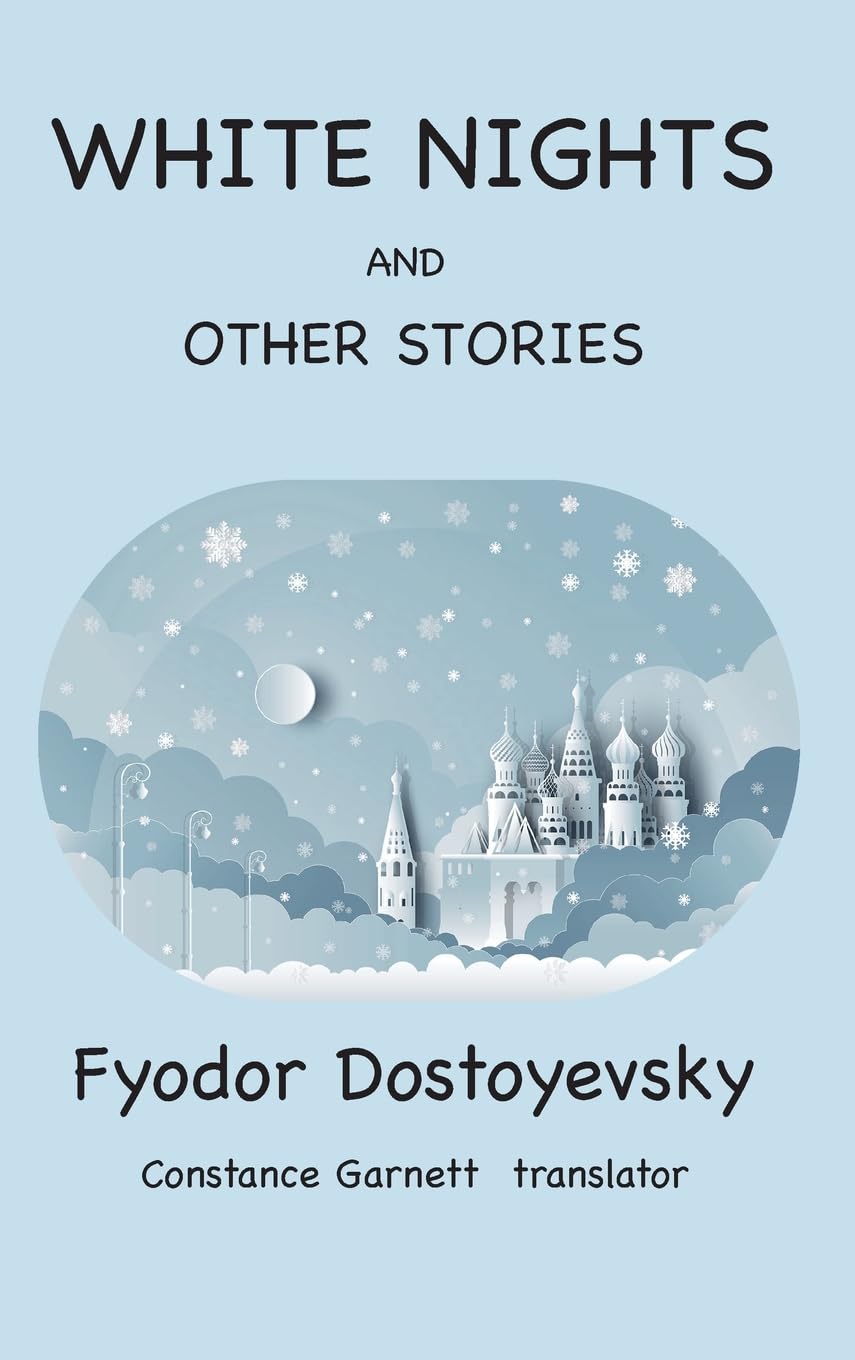
White Nights and Other Stories
KSh 3,900.00
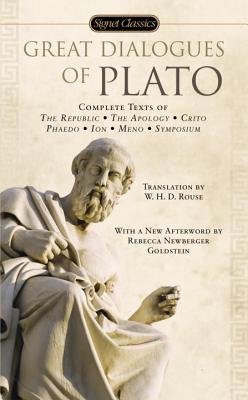
Great Dialogues of Plato
KSh 1,450.00
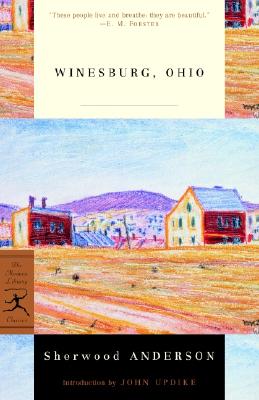
Winesburg, Ohio
KSh 1,800.00
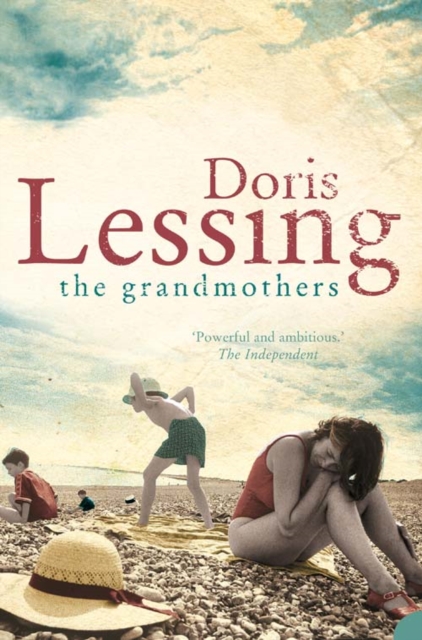
Grandmothers
KSh 2,000.00

Dark Stars
KSh 1,600.00

On Cats New Ed
KSh 1,800.00

Complete Fiction
KSh 3,050.00
