
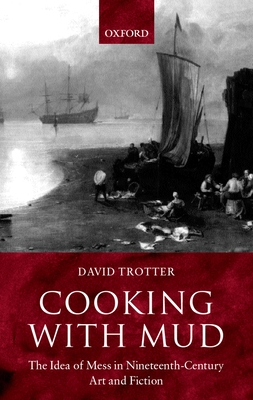
Cooking with Mud : The Idea of Mess in Nineteenth-Century Art and Fiction
Book Details
Format
Hardback
ISBN-10
0198185030
ISBN-13
9780198185031
Publisher
Oxford University Press
Imprint
Oxford University Press
Country of Manufacture
GB
Country of Publication
GB
Publication Date
Feb 24th, 2000
Print length
350 Pages
Weight
608 grams
Dimensions
22.40 x 14.60 x 2.40 cms
KSh 24,600.00
Currently unavailable
0 in stock
Delivery Location
Delivery fee: Select location
Secure
Quality
Fast
Mess is age-old and universal, both as phenomenon and as topic. The evidence collected in this book suggests, however, that the second half of the 19th century saw the first stirrings in Western culture of a primary interest in mess for its own sake.
It seems safe to assume that people started to drop things as soon as they started to pick them up, and that even the most aboriginal litterings and spillages did not pass entirely without comment. Mess is age-old and universal, both as phenomenon and as topic. The evidence collected in this book suggests, however, that the second half of the nineteenth century saw the first stirrings in Western culture of a primary interest in mess for its own sake: a development which had something to do with the gradual fading, amid a great deal of reassertion, of doctrines of determinism; and something to do with democracy, which would be hard to imagine without litter. Messes, like modern identities, happen by accident; their representation, in painting and fiction, made it possible to think boldly and inventively about chance. Ranging widely–from Turner to Courbet, Cézanne, and Degas, and from Melville to Maupassant, Chekhov, Gissing, and the New Woman writers–this book outlines a style of commentary on modern life in which the ancient dichotomy of order and chaos (culture and anarchy) was supplanted, at least temporarily, by a distinction between different kinds and qualities of mess.
Get Cooking with Mud by David Trotter at the best price and quality guaranteed only at Werezi Africa's largest book ecommerce store. The book was published by Oxford University Press and it has 350 pages.
Customers Who Bought This Also Bought

On Freedom
KSh 2,350.00
How To Live An Artful Life
KSh 3,050.00

Photography
KSh 7,350.00

Fail Better
KSh 6,200.00
First Person Singular
KSh 1,800.00
Rosarita
KSh 1,800.00
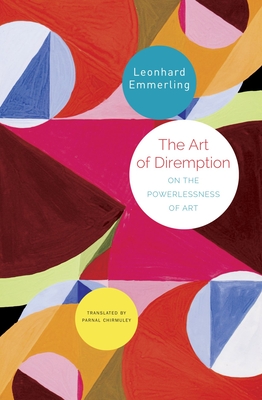
The Art of Diremption – On the Powerlessness of Art
KSh 3,300.00
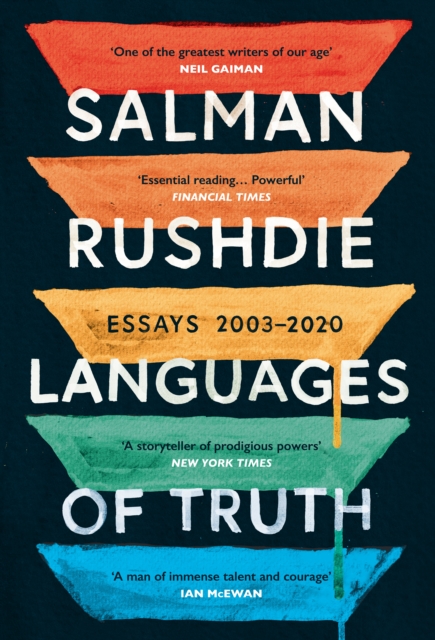
Languages of Truth
KSh 2,350.00

Fish Out of Water
KSh 2,700.00
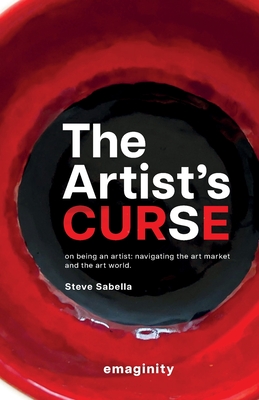
The Artist's Curse
KSh 2,900.00
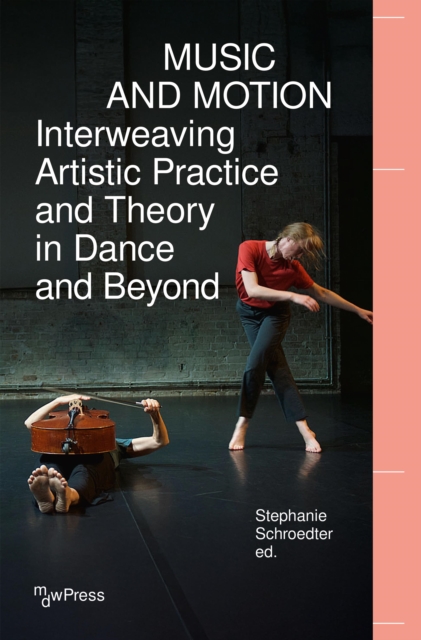
Music and Motion – Interweaving Artistic Practice and Theory in Dance and Beyond
KSh 13,150.00
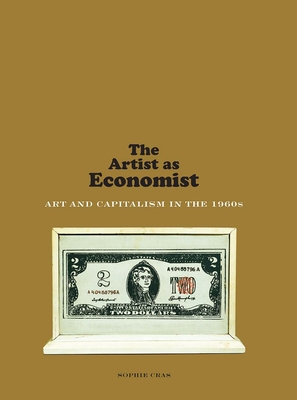
The Artist as Economist – Art and Capitalism in the 1960s
KSh 10,450.00
More by David Trotter
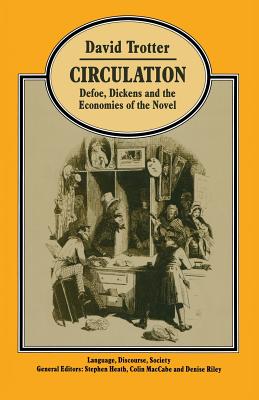
Circulation
KSh 6,300.00

English Novel in History, 1895-1920
KSh 8,900.00

English Novel in History 18951920
KSh 5,800.00
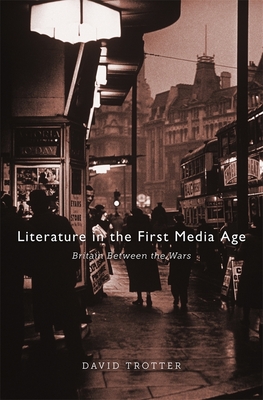
Literature in the First Media Age
KSh 6,450.00
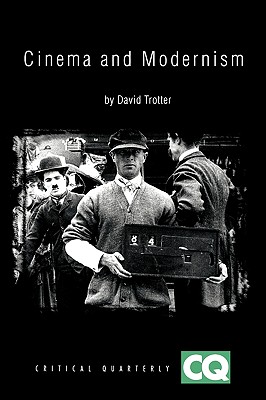
Cinema and Modernism
KSh 3,550.00

English Novel in History, 1895-1920
KSh 32,650.00

English Novel Hist 1895-1920
KSh 30,950.00

Paranoid Modernism
KSh 31,600.00
