
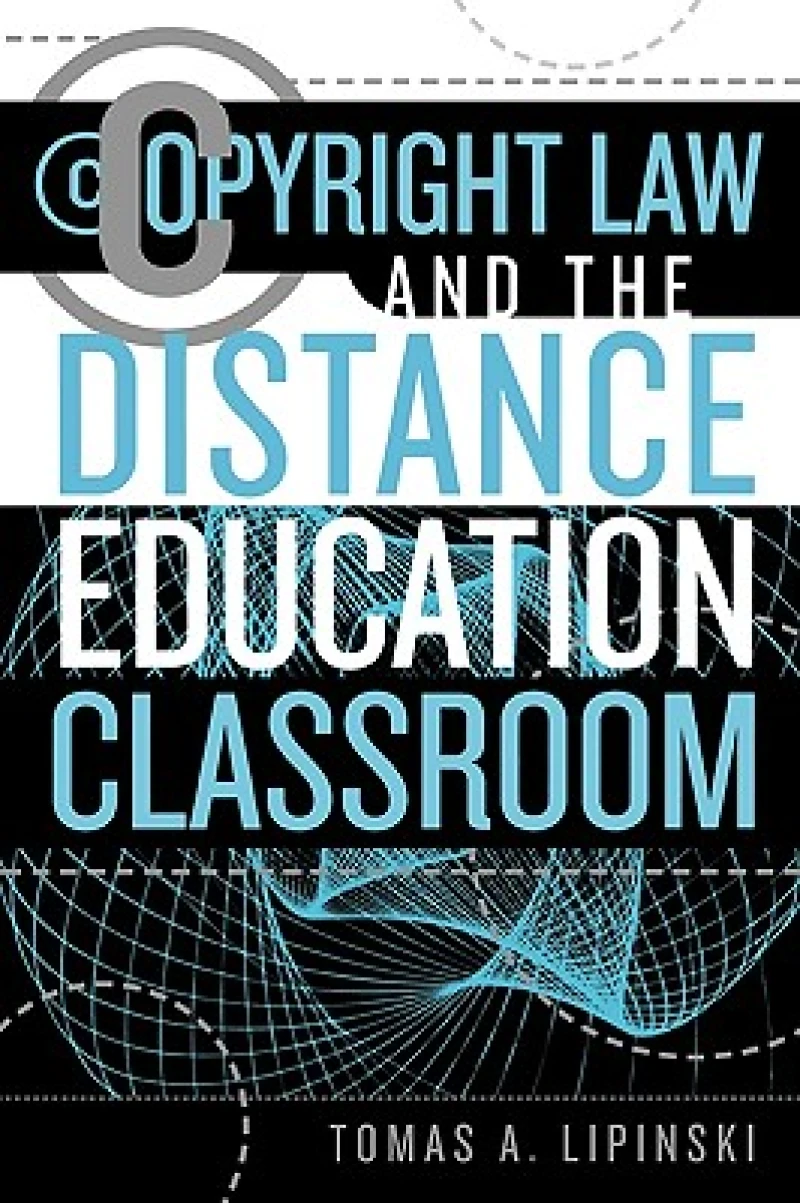
Copyright Law and the Distance Education Classroom
Book Details
Format
Paperback / Softback
ISBN-10
0810851717
ISBN-13
9780810851719
Publisher
Scarecrow Press
Imprint
Scarecrow Press
Country of Manufacture
GB
Country of Publication
GB
Publication Date
Dec 28th, 2004
Print length
240 Pages
Weight
363 grams
Dimensions
22.80 x 15.30 x 1.90 cms
Product Classification:
Intellectual property law
Ksh 12,600.00
Manufactured on Demand
0 in stock
Delivery Location
Delivery fee: Select location
Secure
Quality
Fast
As technology and the idea of distance education is rapidly changing, so too must the law that protects copyrighted material. In 2003 U.S. copyright law was amended with the legislation now known as TEACH (Technology Education and Copyright Harmonization). Tomas Lipinski discusses these changes to copyright law and how they may ultimately affect traditional distance classrooms. Providing a step-by-step explanation of the law and how it impacts these pedagogical issues, Lipinski discusses instructor ownership issues, a general application of "fair use," and other issues that will inevitably arise when technology, intellectual property, and education all intersect. Tomas Lipinski is a lawyer, and he approaches these volatile (and very new) issues from a legal perspective. This book, however, is written in intermediate terms that will make it accessible (as well as necessary) to the distance educator and administrator. As the framework for distance education and technology (particularly copyright) law is now set in place, this book will prove an invaluable resource for years to come.
As technology and the idea of distance education is rapidly changing, so too must the law that protects copyrighted material. In 2003 U.S. copyright law was amended with the legislation now known as TEACH (Technology Education and Copyright Harmonization). Tomas Lipinski discusses these changes to copyright law and how they may ultimately affect traditional distance classrooms. Providing a step-by-step explanation of the law and how it impacts these pedagogical issues, Lipinski discusses instructor ownership issues, a general application of "fair use," and other issues that will inevitably arise when technology, intellectual property, and education all intersect. Tomas Lipinski is a lawyer, and he approaches these volatile (and very new) issues from a legal perspective. This book, however, is written in intermediate terms that will make it accessible (as well as necessary) to the distance educator and administrator. As the framework for distance education and technology (particularly copyright) law is now set in place, this book will prove an invaluable resource for years to come.
Get Copyright Law and the Distance Education Classroom by at the best price and quality guaranteed only at Werezi Africa's largest book ecommerce store. The book was published by Scarecrow Press and it has pages.

