

Cotton City : Urban Development in Antebellum Mobile
Book Details
Format
Paperback / softback
ISBN-10
0817311203
ISBN-13
9780817311209
Publisher
The University of Alabama Press
Imprint
The University of Alabama Press
Country of Manufacture
US
Country of Publication
GB
Publication Date
Jul 2nd, 2001
Print length
336 Pages
Weight
333 grams
Dimensions
22.80 x 15.20 x 2.50 cms
Product Classification:
General & world historyGeneral and world history
KSh 4,950.00
Temporarily out of stock, due soon
0 in stock
Delivery Location
Delivery fee: Select location
Secure
Quality
Fast
Antebellum Mobile was a cotton port city, and economic dependence upon the North created by the cotton trade controlled the city\u2019s development. Mobile\u2019s export trade placed the city third after New York and New Orleans in total value of exports for the nation by 1860. Because the exports consisted almost entirely of cotton headed for Northern and foreign textile mills, Mobile depended on Northern businessmen for marketing services. Nearly all the city\u2019s imports were from New York: Mobile had the worst export-import imbalance of all antebellum ports. As the volume of cotton exports increased, so did the city\u2019s population—from1,500 in 1820 to 30,000 in 1860. Amos\u2019s study delineates the basis for Mobile\u2019s growth and the ways in which residents and their government promoted growth and adapted to it. Because some of the New York banking, shipping, and marketing firms maintained local agencies, a significant number of Northern-born businessmen participated widely in civic affairs. This has afforded the author the opportunity to explore the North-South relationship in economic and personal terms, in one important city, during a period of increasing sectional tension.
Get Cotton City by Harriet Amos Doss at the best price and quality guaranteed only at Werezi Africa's largest book ecommerce store. The book was published by The University of Alabama Press and it has 336 pages.
Customers Who Bought This Also Bought
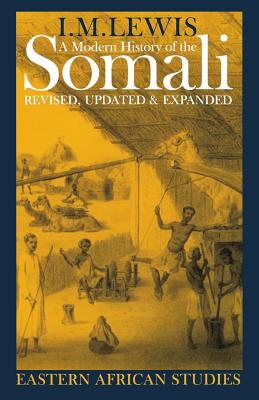
A Modern History of the Somali
KSh 5,300.00
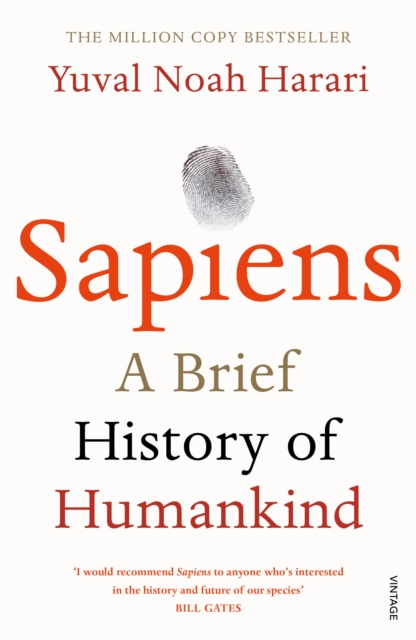
Sapiens
KSh 2,350.00

Rise Fall Great Powers
KSh 3,050.00

Legacy of Violence
KSh 3,150.00

Chip War
KSh 2,000.00
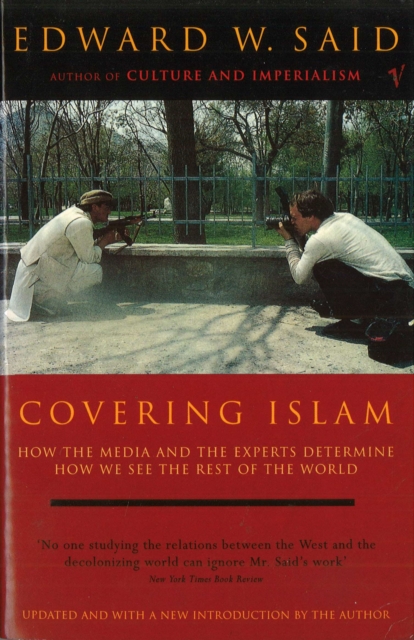
Covering Islam
KSh 2,350.00

They Came Before Columbus
KSh 3,400.00

Hiroshima
KSh 2,000.00

Guns, Germs and Steel
KSh 2,400.00

Silk Roads
KSh 3,050.00

Empire
KSh 2,700.00

Strategy
KSh 4,350.00
