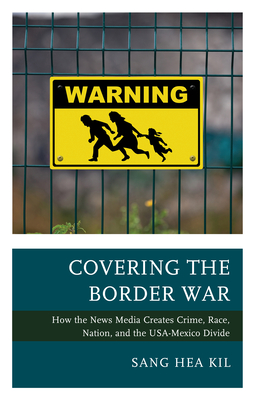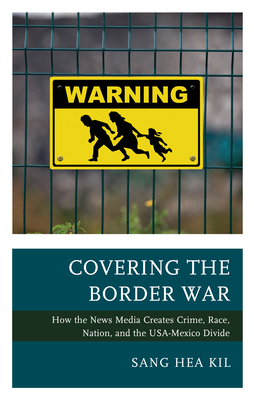
Covering the Border War : How the News Media Creates Crime, Race, Nation, and the USA-Mexico Divide
by
Sang Hea Kil
Book Details
Format
Hardback
ISBN-10
149856142X
ISBN-13
9781498561426
Publisher
Bloomsbury Publishing Plc
Imprint
Lexington Books
Country of Manufacture
US
Country of Publication
GB
Publication Date
Nov 8th, 2019
Print length
232 Pages
Weight
498 grams
Dimensions
15.90 x 23.70 x 1.70 cms
Product Classification:
Communication studiesMedia studiesMedia studies
KSh 17,500.00
Currently unavailable
0 in stock
Delivery Location
Delivery fee: Select location
Secure
Quality
Fast
This book examines the notion of the body politic in border newspaper coverage of the USA-Mexico divide and how the nation and immigration are racially imagined in crime news discourse, where whiteness is associated with order and brownness is associated with disorder in a variety of imaginative, nativist ways
This book examines the notion of the body politic in border newspaper coverage of the USA-Mexico divide and how the nation and immigration are racially imagined in crime news discourse, where whiteness is associated with order and brownness is associated with disorder in a variety of imaginative, nativist ways
Get Covering the Border War by Sang Hea Kil at the best price and quality guaranteed only at Werezi Africa's largest book ecommerce store. The book was published by Bloomsbury Publishing Plc and it has 232 pages.
Customers Who Bought This Also Bought

Cultish
KSh 2,350.00

How to Read the Bible for All Its Worth
KSh 3,250.00

The Art of Fighting
KSh 3,950.00

The Gutenberg Galaxy
KSh 6,000.00
Persuasion and Power
KSh 4,850.00

Helping College Students Write
KSh 6,850.00
Persuasion in Society
KSh 17,100.00
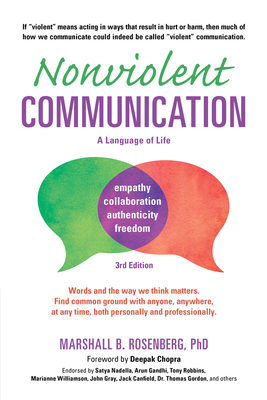
Nonviolent Communication: A Language of Life
KSh 3,050.00

The Dynamics of Persuasion
KSh 9,800.00

Fundamental Issues, Measurement and Study Design
KSh 35,100.00

The Psychology of Clear Leadership Communication
KSh 30,950.00

Patterns in Language and Communication
KSh 18,800.00