
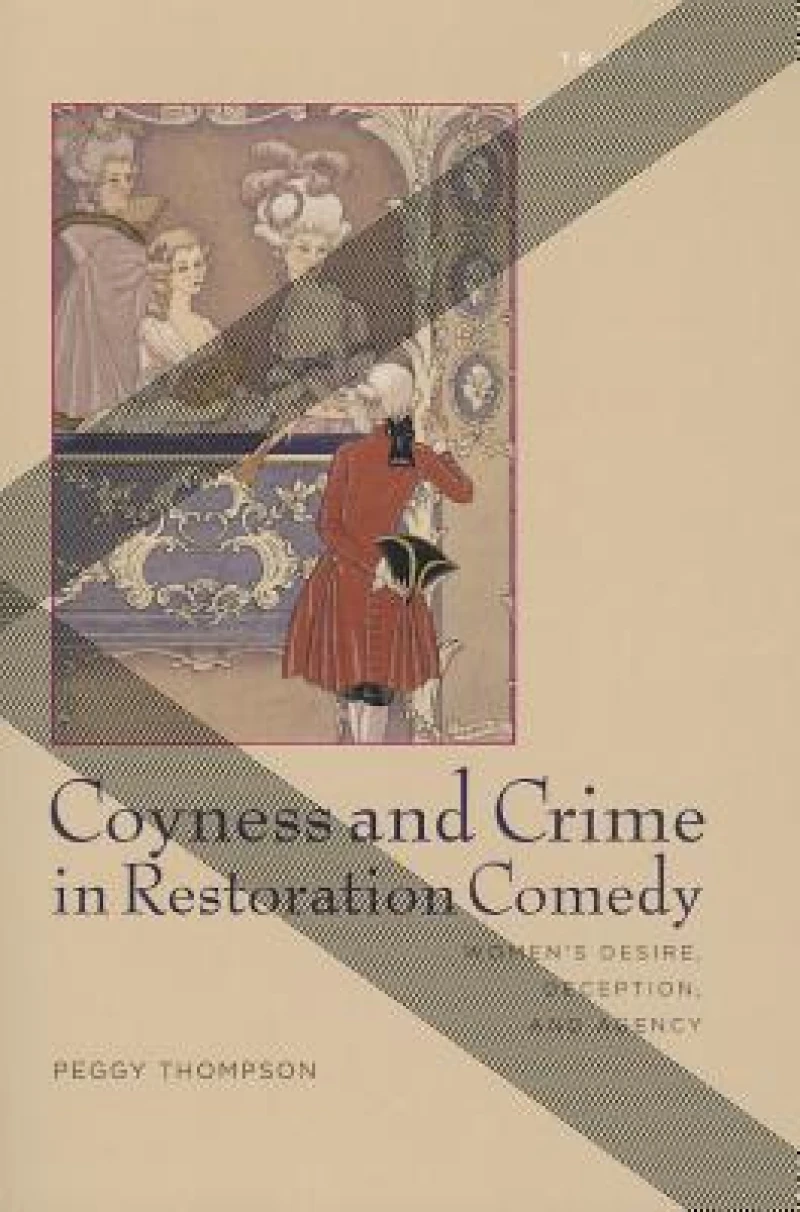
Coyness and Crime in Restoration Comedy : Women's Desire, Deception, and Agency
Book Details
Format
Paperback / Softback
ISBN-10
1611485517
ISBN-13
9781611485516
Publisher
Bucknell University Press
Imprint
Bucknell University Press
Country of Manufacture
GB
Country of Publication
GB
Publication Date
Oct 18th, 2013
Print length
202 Pages
Weight
298 grams
Dimensions
22.60 x 15.10 x 1.60 cms
Ksh 8,450.00
Manufactured on Demand
0 in stock
Delivery Location
Delivery fee: Select location
Secure
Quality
Fast
Coyness and Crime in Restoration Comedy examines the extraordinary focus on coy women in late seventeenth-century English comedy. Plays by Etherege, Wycherley, Dryden, Behn, Shadwell, Congreve, Trotter, Southerne, Vanbrugh, and Pix—as well as much modern scholarship about them—taint almost all feminine modesty with intimations of duplicity and illicit desire that must be contained. Forceful responses by men, therefore, are implicitly exonerated, encouraged, and eroticized. In short, characters become “women” by performing coyness, only to be mocked and punished for it. Peggy Thompson explores the disturbing dynamic of feminine coyness and masculine control as it interacts with reaffirmations of church and king, anxiety over new wealth, and emerging interests in liberty, novelty, and marriage in late seventeenth-century England. Despite the diversity of these contexts, the plays consistently reveal women caught in an ironic and nearly intractable convergence of objectification and culpability that allows them little innocent sexual agency. This is both the source and the legacy of coyness in Restoration comedy.
Get Coyness and Crime in Restoration Comedy by at the best price and quality guaranteed only at Werezi Africa's largest book ecommerce store. The book was published by Bucknell University Press and it has pages.

