
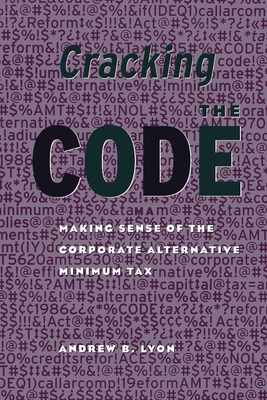
Cracking the Code : Making Sense of the Corporate Alternative Minimum Tax
by
Andrew Lyon
Book Details
Format
Paperback / softback
ISBN-10
0815753233
ISBN-13
9780815753230
Publisher
Bloomsbury Publishing Plc
Imprint
Brookings Institution
Country of Manufacture
US
Country of Publication
GB
Publication Date
May 1st, 1997
Print length
168 Pages
Weight
240 grams
Dimensions
22.80 x 15.30 x 1.10 cms
Product Classification:
Public finance and taxationTaxation
KSh 3,600.00
Currently unavailable
0 in stock
Delivery Location
Delivery fee: Select location
Secure
Quality
Fast
Drawing on the world of scholarship and from personal experience, Robert A. Katzmann examines governance in judicial-congressional relations. After identifying problems, he offers ways to improve understanding between the two branches.
The corporate alternative minimum tax (AMT) was hailed in the Tax Reform Act of 1986 as instrumental to ensuring that tax loopholes would not permit corporations to avoid paying their fair share of tax liability. In 1995, less than ten years later, repeal of the AMT was pledged as part of the Republican Party's "Contract with America" and passed by the House of Representatives. Opponents of the AMT object that it penalizes new investment by firms and prevents the use of legitimate deductions. Its defenders tout the ability of the AMT to address public perceptions of unfairness in the tax system. At first glance, the debate over the AMT seems to be another example of the classic struggle between equity and efficiency. But, as this book reveals, there are serious flaws in the arguments used on both sides of this issue. As a result, the AMT may fail to achieve any notable equity objectives and may miss the opportunity to make significant improvements in the efficiency with which the nation's scarce capital is employed. Whether or not reforms of the AMT are ultimately enacted, the debate over the AMT raises fundamental questions of tax policy that will persist: Who benefits from tax subsidies? How much should the tax code be used to direct resources in the economy? If corporate taxes are ultimately borne by individuals, how do corporate tax provisions affect fairness? Andrew Lyon opens these topics up to a wide audience, presenting new data on the impact of the AMT, and offering suggestions for future policy reform. He argues that the legislative desire to respond to an apparent inequity should be channeled into considering whether there are efficiency reasons for reducing the tax advantages observed. The best solutions to these considerations, he contends, are not found in a minimum tax.
Get Cracking the Code by Andrew Lyon at the best price and quality guaranteed only at Werezi Africa's largest book ecommerce store. The book was published by Bloomsbury Publishing Plc and it has 168 pages.
Customers Who Bought This Also Bought
Social Security Programs and Retirement around t – Fiscal Implications of Reform
KSh 18,000.00

The Cambridge Handbook of Compliance
KSh 9,550.00
Lectures on Public Economics – Updated Edition
KSh 10,450.00
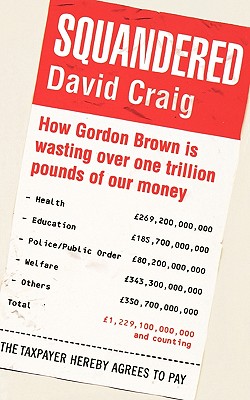
Squandered
KSh 3,550.00
Economics, Politics and Budgets
KSh 16,200.00
Taxation for Environmental Protection
KSh 13,500.00
Choice and Public Policy
KSh 7,900.00
The Economics of Centralism and Local Autonomy
KSh 16,200.00
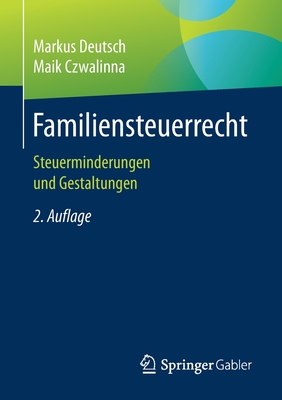
Familiensteuerrecht
KSh 6,850.00
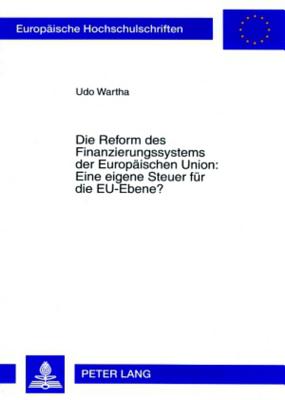
Die Reform des Finanzierungssystems der Europaeischen Union: Eine eigene Steuer fuer die EU-Ebene?
KSh 9,250.00
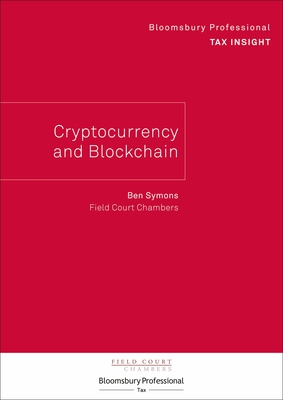
Bloomsbury Professional Tax Insight - Cryptocurrency and Blockchain
KSh 7,550.00
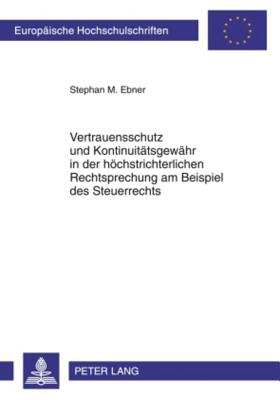
Vertrauensschutz und Kontinuitaetsgewaehr in der hoechstrichterlichen Rechtsprechung am Beispiel des Steuerrechts
KSh 4,900.00
More in This Genre
Social Security Programs and Retirement around t – Fiscal Implications of Reform
KSh 18,000.00
The Cambridge Handbook of Compliance
KSh 9,550.00
Lectures on Public Economics – Updated Edition
KSh 10,450.00
Squandered
KSh 3,550.00
Economics, Politics and Budgets
KSh 16,200.00
Taxation for Environmental Protection
KSh 13,500.00
