
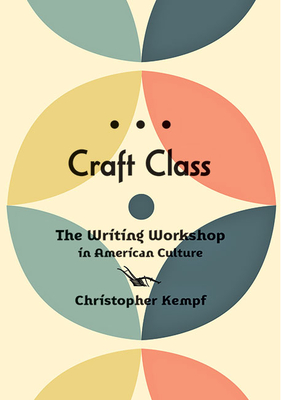
Craft Class : The Writing Workshop in American Culture
Book Details
Format
Hardback
ISBN-10
1421443554
ISBN-13
9781421443553
Publisher
Johns Hopkins University Press
Imprint
Johns Hopkins University Press
Country of Manufacture
US
Country of Publication
GB
Publication Date
May 10th, 2022
Print length
296 Pages
Weight
522 grams
Dimensions
22.90 x 15.20 x 2.60 cms
Product Classification:
Literature: history & criticismLiterary theoryHigher & further education, tertiary education
KSh 13,850.00
Currently unavailable
0 in stock
Delivery Location
Delivery fee: Select location
Secure
Quality
Fast
The hidden history of the creative writing workshop and the socioeconomic consequences of the craft labor metaphor. In a letter dated September 1, 1912, drama professor George Pierce Baker recommended the term "workshop" for an experimental course in playwriting he had been planning with former students at Harvard and Radcliffe. This was the first time that term, now ubiquitous, was used in the context of creative writing pedagogy. Today, the MFA (master of fine arts) industry is a booming one, with more than 200 programs and thousands of residencies and conferences for aspiring writers nationwide. Almost all of these offerings operate on the workshop model. In Craft Class, Christopher Kempf argues that the primary institutional form of creative writing studies, the workshop, has remained invisible before our scholarly eyes. While Baker and others marshaled craft toward economic critique, craft pedagogies consolidated the authority of elite educational institutions as the MFA industry grew. Transcoding professional-managerial soft skills—linguistic facility, social and emotional discernment, symbolic fluency—in the language of manual labor, the workshop nostalgically invokes practices that the university itself has rendered obsolete. The workshop poem or short story thus shares discursive space with the craft IPA or hand-loomed Pottery Barn rug—a space in which one economic practice rewrites itself in the language of another, just as right-wing corporatism continuously rewrites itself in the language of populism. Delineating an arc that extends from Boston's fin de siècle Society of Arts and Crafts through 1930s proletarian workshops to the pedagogies of Black Mountain College and the postwar MFA, Craft Class reveals how present-day creative writing restructures transhistorical questions of labor, education, and aesthetic and economic production. With the rise of the workshop in American culture, Kempf shows, manual and mental labor have been welded together like steel plates. What fissures does that weld seal shut? And on whose behalf does the poet punch in?
Get Craft Class by Christopher Kempf at the best price and quality guaranteed only at Werezi Africa's largest book ecommerce store. The book was published by Johns Hopkins University Press and it has 296 pages.
Customers Who Bought This Also Bought
On Freedom
KSh 2,350.00

The Origin of Others
KSh 3,600.00
There Are Places in the World Where Rules Are Less Important Than Kindness
KSh 3,600.00

Amazing Peace
KSh 3,050.00
Lewis Carroll and "Alice" on Stage
KSh 9,350.00
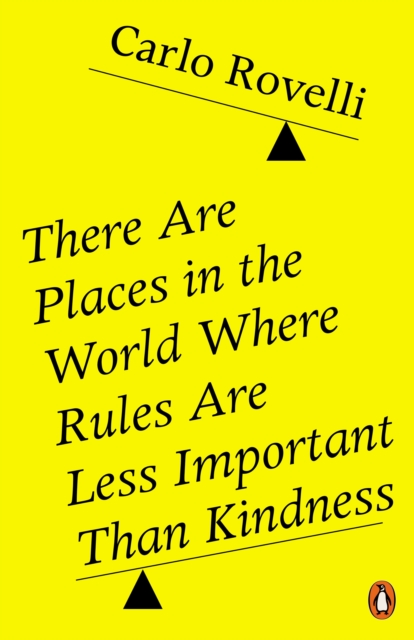
There Are Places in the World Where Rules Are Less Important Than Kindness
KSh 2,350.00
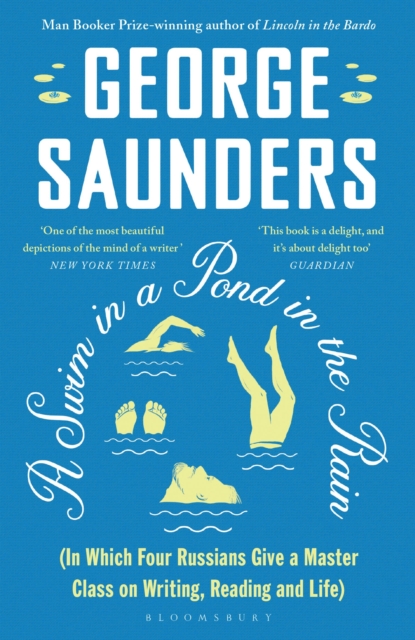
Swim in a Pond in the Rain
KSh 2,000.00

The Obscene Bird of Night – unabridged, centennial edition
KSh 3,050.00
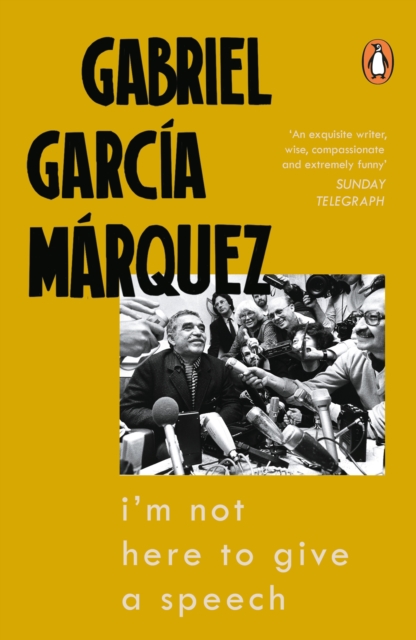
I''m Not Here to Give a Speech
KSh 1,800.00
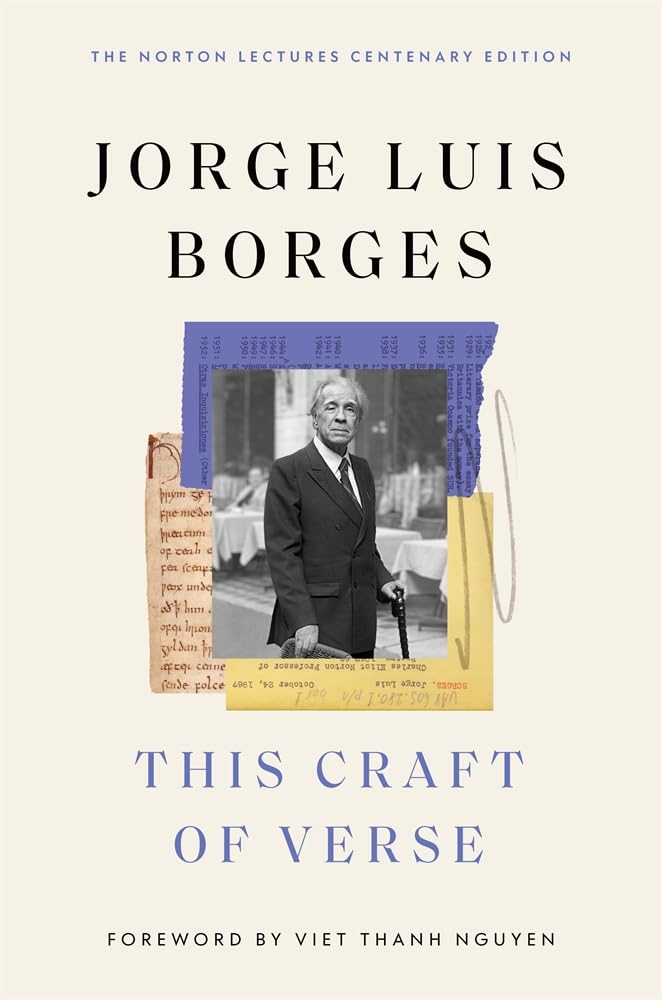
This Craft of Verse
KSh 3,600.00

On Great Writing (On the Sublime)
KSh 2,000.00
In Praise of Mystery
KSh 2,700.00
More by Christopher Kempf
More in This Genre
On Freedom
KSh 2,350.00
The Origin of Others
KSh 3,600.00
There Are Places in the World Where Rules Are Less Important Than Kindness
KSh 3,600.00
Amazing Peace
KSh 3,050.00
Lewis Carroll and "Alice" on Stage
KSh 9,350.00
There Are Places in the World Where Rules Are Less Important Than Kindness
KSh 2,350.00
