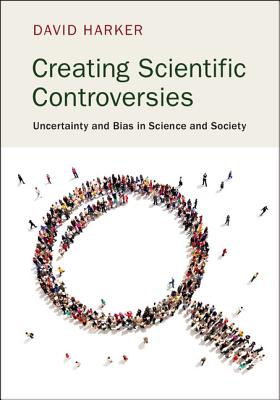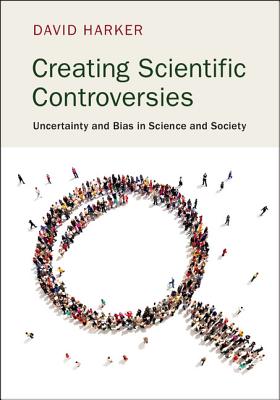
Creating Scientific Controversies : Uncertainty and Bias in Science and Society
by
David Harker
Book Details
Format
Hardback
ISBN-10
1107069610
ISBN-13
9781107069619
Publisher
Cambridge University Press
Imprint
Cambridge University Press
Country of Manufacture
US
Country of Publication
GB
Publication Date
Oct 1st, 2015
Print length
266 Pages
Weight
68 grams
Dimensions
25.30 x 18.00 x 1.60 cms
KSh 17,100.00
Currently unavailable
0 in stock
Delivery Location
Delivery fee: Select location
Secure
Quality
Fast
This is the first book-length introductory study of the concept of a created scientific controversy, providing a comprehensive and wide-ranging analysis for students of philosophy of science, environmental and health sciences, and social and natural sciences.
For decades, cigarette companies helped to promote the impression that there was no scientific consensus concerning the safety of their product. The appearance of controversy, however, was misleading, designed to confuse the public and to protect industry interests. Created scientific controversies emerge when expert communities are in broad agreement but the public perception is one of profound scientific uncertainty and doubt. In the first book-length analysis of the concept of a created scientific controversy, David Harker explores issues including climate change, Creation science, the anti-vaccine movement and genetically modified crops. Drawing on work in cognitive psychology, social epistemology, critical thinking and philosophy of science, he shows readers how to better understand, evaluate, and respond to the appearance of scientific controversy. His book will be a valuable resource for students of philosophy of science, environmental and health sciences, and social and natural sciences.
Get Creating Scientific Controversies by David Harker at the best price and quality guaranteed only at Werezi Africa's largest book ecommerce store. The book was published by Cambridge University Press and it has 266 pages.
Customers Who Bought This Also Bought
The Poetics of Space
KSh 2,700.00

Origin of Species
KSh 1,850.00

Arrogant Ape
KSh 3,050.00

Classics Origin of Species
KSh 1,100.00
The Structure of Scientific Revolutions – 50th Anniversary Edition
KSh 2,850.00
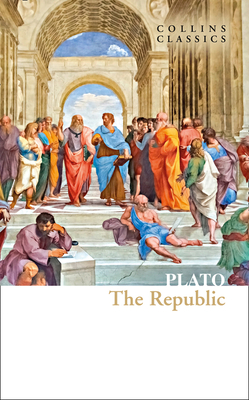
Xrepublic
KSh 850.00
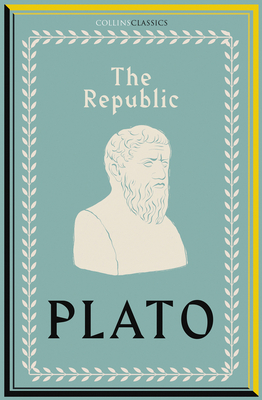
Xrepublic
KSh 1,450.00

Theory of Scientific Method
KSh 4,300.00

Vocation Lectures
KSh 2,900.00

Kinship: Vol. 5 Practice
KSh 3,250.00

Thinking Beyond Materialism
KSh 3,400.00

Thinking Beyond Materialism
KSh 15,550.00