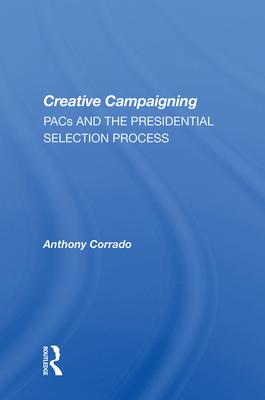
Creative Campaigning : PACs and the Presidential Selection Process
Book Details
Format
Hardback
ISBN-10
0367004658
ISBN-13
9780367004651
Publisher
Taylor & Francis Ltd
Imprint
Routledge
Country of Manufacture
GB
Country of Publication
GB
Publication Date
Jun 7th, 2019
Print length
302 Pages
Weight
720 grams
Product Classification:
Politics & governmentPolitics and government
KSh 30,950.00
Currently unavailable
0 in stock
Delivery Location
Delivery fee: Select location
Secure
Quality
Fast
Ronald Reagan started it, back in 1977. George Bush perfected the art in 1988. In the 1980s and 1990s, Democrats as well as Republicans running for president (or thinking of doing so), have followed Reagan''s lead in establishing precandidacy PACs as a way of raising more money faster, without the regulatory rigors laid down by Congress and the Federal Election Commission. Marshalling years of experience on the campaign trail, Anthony Corrado has documented for the first time the fundraising and spending patterns of presidential candidates who feel forced to circumvent the system in order to amass enough funds to mount a contemporary presidential campaign. He shows how a variety of factors—contribution limits, the delegate selection process, expenditure ceilings, and costly campaign strategies—have combined to push candidates to establish PACs to raise and spend money on campaign activities well in advance of an official declaration to run. These lofty-sounding organizations—such as Bush''s "Fund for America''s Future" and Gephardt''s "Effective Government Committee"—operate as "shadow campaigns" throughout the nomination process and often live on beyond the candidate''s formal bid for office. The year 1992 is a special case in presidential election year history because of the strong Bush incumbency, a reluctant Democratic challenge, and a series of foreign policy crises. Corrado explains why precandidacy PACs persist and how they are likely to grow (in number and clout) if an array of bold new reform measures is not implemented prior to the next open presidential election in 1996. After showing how the Federal Election Campaign Act not only permits but in fact inspires presidential candidates to break the laws governing campaign finance, Corrado points out how, ironically, less regulation may yield greater compliance and a more effective nomination process in the 1990s and beyond.
Get Creative Campaigning by Anthony Corrado at the best price and quality guaranteed only at Werezi Africa's largest book ecommerce store. The book was published by Taylor & Francis Ltd and it has 302 pages.
Customers Who Bought This Also Bought
Regime Change
KSh 5,050.00
Art of War / The Book of Lord Shang
KSh 1,100.00
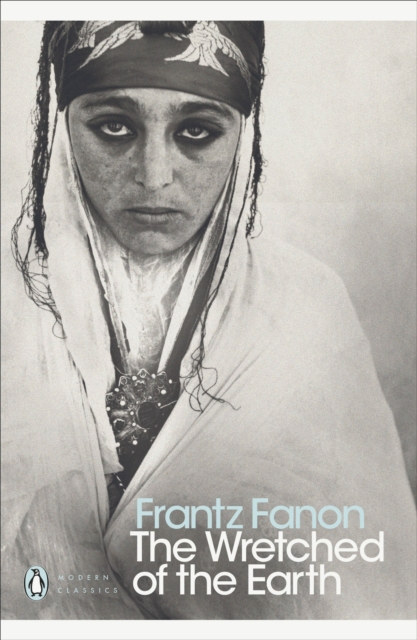
Wretched of the Earth
KSh 2,000.00

White Saviorism In International Development
KSh 3,800.00
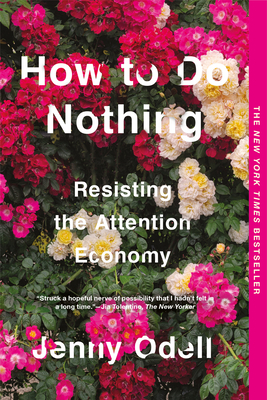
How To Do Nothing
KSh 2,700.00
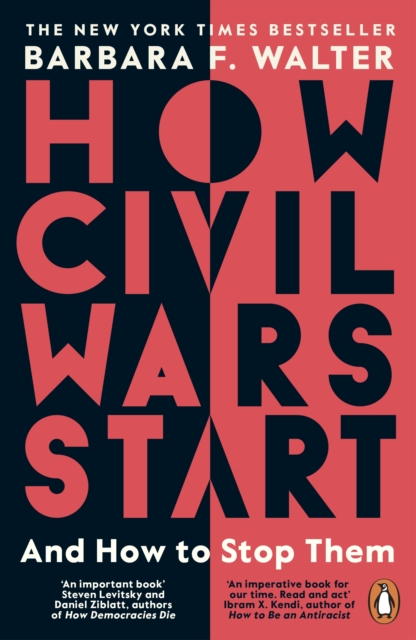
How Civil Wars Start
KSh 2,000.00
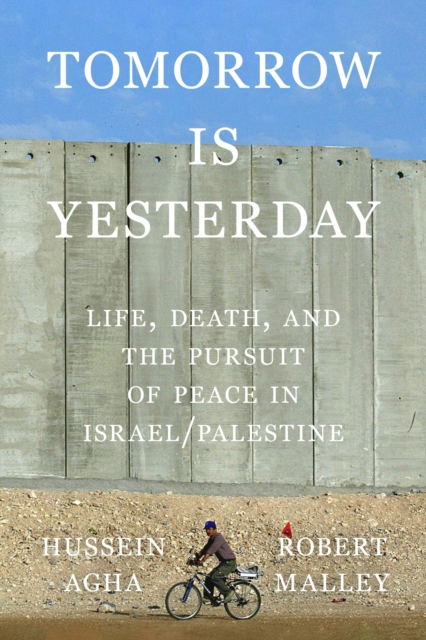
Tomorrow Is Yesterday
KSh 4,700.00
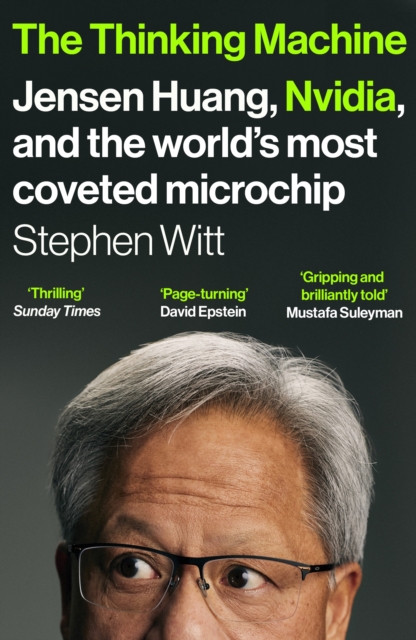
The Thinking Machine
KSh 2,350.00

Second Treatise of Government – Norton Library
KSh 1,600.00
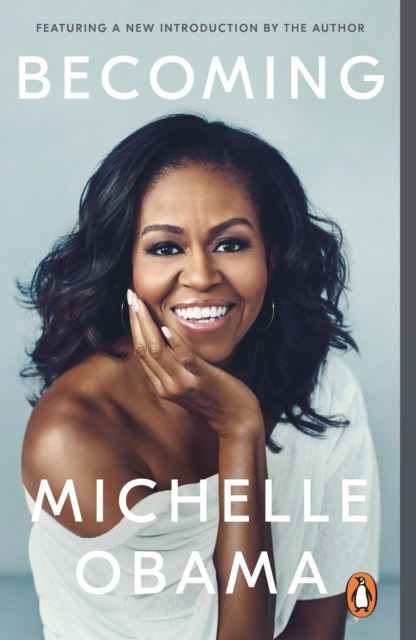
Becoming
KSh 2,350.00
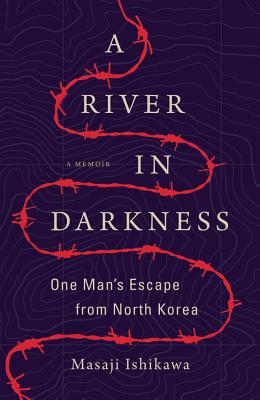
A River in Darkness
KSh 1,250.00
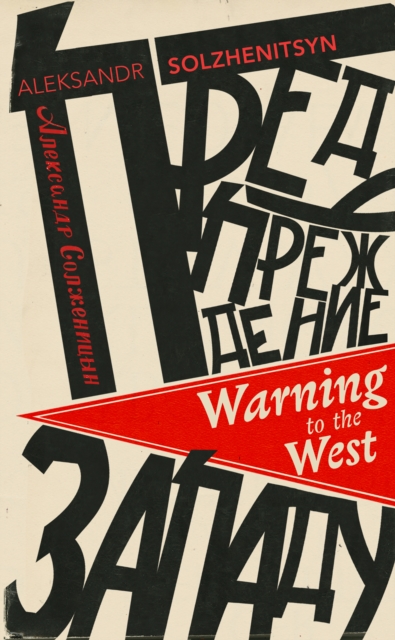
Warning to the West
KSh 1,600.00