
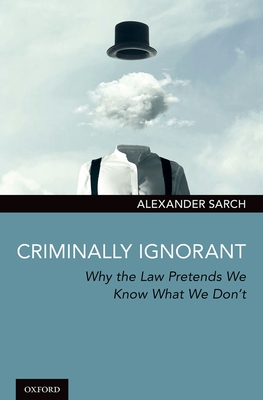
Criminally Ignorant : Why the Law Pretends We Know What We Don't
Book Details
Format
Hardback
ISBN-10
0190056576
ISBN-13
9780190056575
Publisher
Oxford University Press Inc
Imprint
Oxford University Press Inc
Country of Manufacture
US
Country of Publication
GB
Publication Date
Jul 18th, 2019
Print length
296 Pages
Weight
567 grams
Dimensions
23.60 x 15.50 x 2.30 cms
KSh 16,500.00
Currently unavailable
0 in stock
Delivery Location
Delivery fee: Select location
Secure
Quality
Fast
The willful ignorance doctrine says defendants should sometimes be treated as if they know what they don''t. This book provides a careful defense of this method of imputing mental states. Though the doctrine is only partly justified and requires reform, it also demonstrates that the criminal law needs more legal fictions of this kind. The resulting theory of when and why the criminal law can pretend we know what we don''t has far-reaching implications for legal practice and reveals a pressing need for change.
This is a book about the legal fiction that sometimes we know what we don''t. The willful ignorance doctrine says defendants who bury their heads in the sand rather than learn they''re doing something criminal are punished as if they knew. Not all legal fictions are unjustified, however. This one, used within proper limits, is a defensible way to promote the aims of the criminal law. Preserving your ignorance can make you as culpable as if you knew what you were doing, and so the interests and values protected by the criminal law can be promoted by treating you as if you had knowledge.This book provides a careful defense of this method of imputing mental states based on equal culpability. On the one hand, the theory developed here shows why the willful ignorance doctrine is only partly justified and requires reform. On the other hand, it demonstrates that the criminal law needs more legal fictions of this kind. Repeated indifference to the truth may substitute for knowledge, and very culpable failures to recognize risks can support treating you as if you took those risks consciously. Moreover, equal culpability imputation should also be applied to corporations, not just individuals. Still, such imputation can be taken too far. We need to determine its limits to avoid injustice. Thus, the book seeks to place equal culpability imputation on a solid normative foundation, while demarcating its proper boundaries. The resulting theory of when and why the criminal law can pretend we know what we don''t has far-reaching implications for legal practice and reveals a pressing need for reform.
Get Criminally Ignorant by Dr. Alexander in Legal Philosophy, Reader (Associate Professor) in Legal Philosophy, University of at the best price and quality guaranteed only at Werezi Africa's largest book ecommerce store. The book was published by Oxford University Press Inc and it has 296 pages.
Customers Who Bought This Also Bought
Xmeditations
KSh 700.00

Groundwork for the Metaphysics of Morals
KSh 2,000.00
On the Genealogy of Morals
KSh 2,000.00

Beyond Good and Evil
KSh 2,000.00
The Nicomachean Ethics
KSh 1,600.00

The Sovereignty of Good
KSh 5,400.00
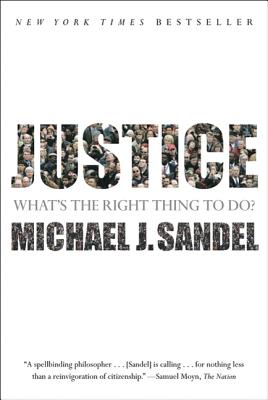
Justice
KSh 2,000.00

Meditations
KSh 1,600.00
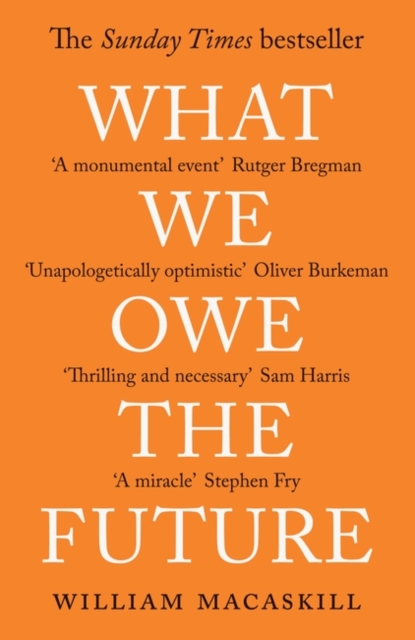
What We Owe The Future
KSh 2,000.00
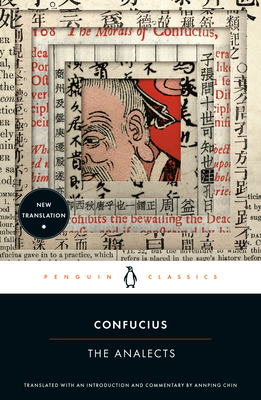
The Analects
KSh 2,350.00
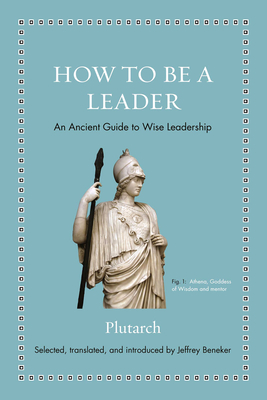
How to Be a Leader – An Ancient Guide to Wise Leadership
KSh 2,800.00
There Are Places in the World Where Rules Are Less Important Than Kindness
KSh 3,600.00
