
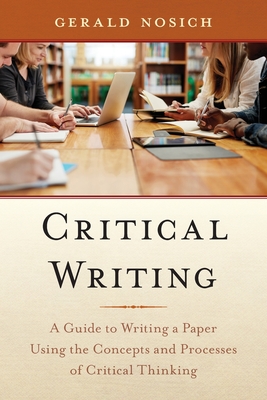
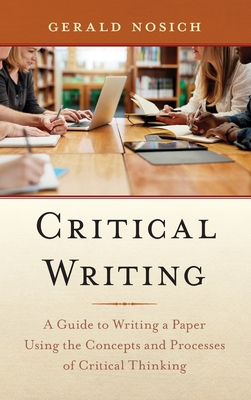
Critical Writing : A Guide to Writing a Paper Using the Concepts and Processes of Critical Thinking
Book Details
Format
Paperback / softback
ISBN-10
1538140918
ISBN-13
9781538140918
Publisher
Bloomsbury Publishing Plc
Imprint
Rowman & Littlefield
Country of Manufacture
US
Country of Publication
GB
Publication Date
Mar 12th, 2021
Print length
296 Pages
Weight
432 grams
Dimensions
15.10 x 23.10 x 2.10 cms
Product Classification:
Language: reference & generalLanguage: reference and generalCreative writing & creative writing guidesCreative writing and creative writing guidesWriting & editing guidesWriting and editing guidesLanguage learning: writing skillsWriting skillsEducationEducation / Educational sciences / Pedagogy
KSh 5,750.00
Currently unavailable
0 in stock
Delivery Location
Delivery fee: Select location
Secure
Quality
Fast
The main goal of Critical Writing is to provide students with a set of robust, integrated critical concepts and processes that will allow to them think through a topic, and then write about it, and to do so in a way that is built on, and permeated by, substantive critical thinking.
The main goal of Critical Writing is to provide students with a set of robust, integrated critical concepts and processes that will allow to them think through a topic, and then write about it, and to do so in a way that is built on, and permeated by, substantive critical thinking.
Get Critical Writing by Gerald Nosich at the best price and quality guaranteed only at Werezi Africa's largest book ecommerce store. The book was published by Bloomsbury Publishing Plc and it has 296 pages.
Customers Who Bought This Also Bought
Dictionary of Linguistics and Phonetics, Seventh Edition
KSh 7,200.00
Biblical Names and Their Meanings
KSh 800.00
Thinking Through Translation
KSh 5,050.00
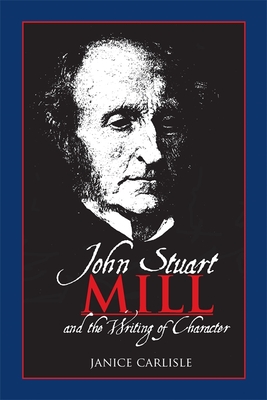
John Stuart Mill and the Writing of Character
KSh 6,400.00
Hunting Lieutenant Chadbourne
KSh 4,800.00
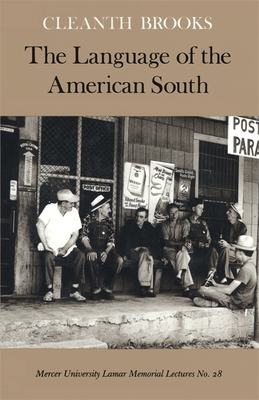
The Language of the American South
KSh 4,000.00

French as Language of Intimacy in the Modern Age
KSh 8,650.00

The Routledge Hispanic Studies Companion to Nineteenth-Century Latin America
KSh 10,250.00

Golosa
KSh 26,100.00

Malayalam
KSh 12,900.00
The Old English Version of the enlarged «Rule of Chrodegang»
KSh 16,550.00
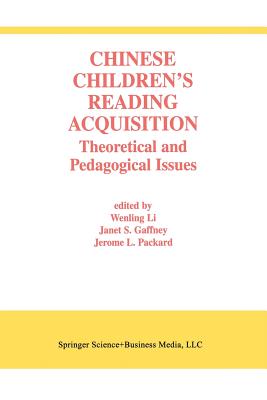
Chinese Children''s Reading Acquisition
KSh 16,200.00
More by Gerald Nosich
More in This Genre
Dictionary of Linguistics and Phonetics, Seventh Edition
KSh 7,200.00
Biblical Names and Their Meanings
KSh 800.00
Thinking Through Translation
KSh 5,050.00
John Stuart Mill and the Writing of Character
KSh 6,400.00
Hunting Lieutenant Chadbourne
KSh 4,800.00
The Language of the American South
KSh 4,000.00
