
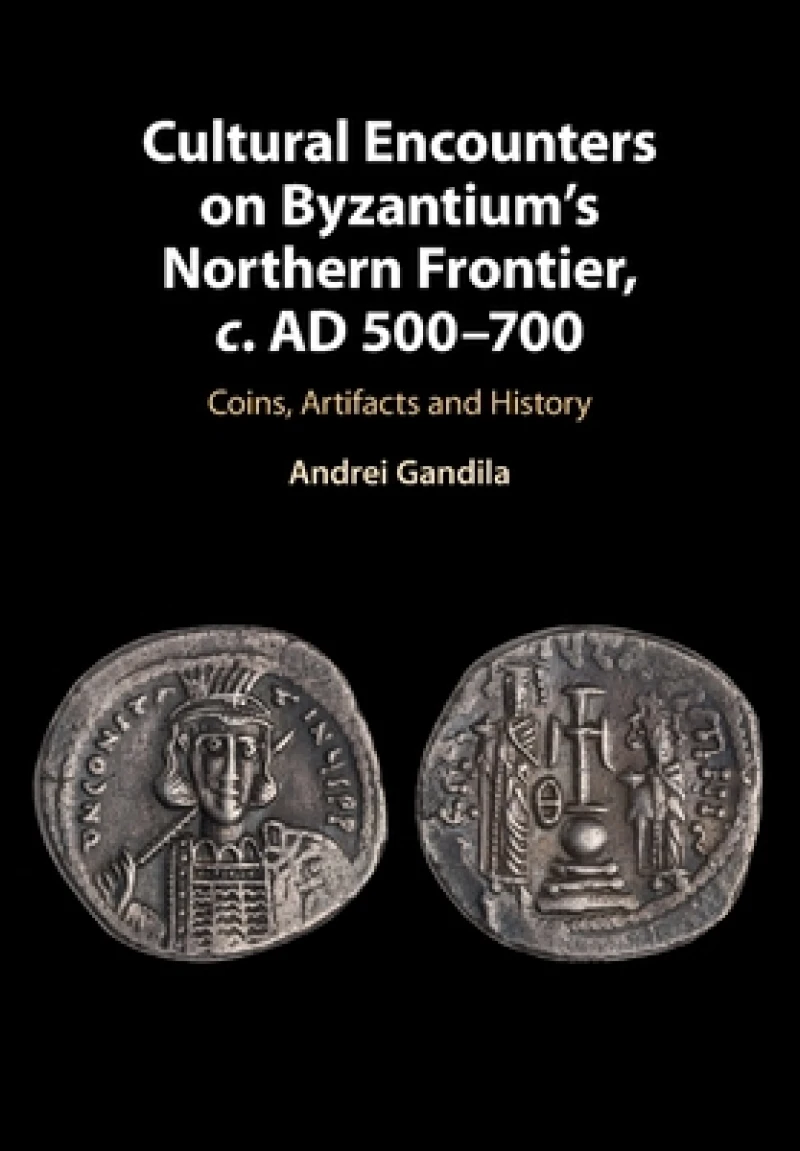
Cultural Encounters on Byzantium's Northern Frontier, c. AD 500–700 : Coins, Artifacts and History
Book Details
Format
Paperback / Softback
ISBN-10
1108455972
ISBN-13
9781108455978
Publisher
Cambridge University Press
Imprint
Cambridge University Press
Country of Manufacture
GB
Country of Publication
GB
Publication Date
Aug 19th, 2021
Print length
396 Pages
Weight
690 grams
Dimensions
17.20 x 24.30 x 3.00 cms
Product Classification:
European historyMedieval European archaeology
Ksh 7,300.00
Werezi Extended Catalogue
0 in stock
Delivery Location
Delivery fee: Select location
Secure
Quality
Fast
An interdisciplinary analysis of Byzantine frontier policy in the northern Balkans and the Black Sea region. Explores cultural interaction between Romans and barbarians, warfare, diplomacy, and the creation of identities before the final collapse of the ancient world order.
In the sixth century, Byzantine emperors secured the provinces of the Balkans by engineering a frontier system of unprecedented complexity. Drawing on literary, archaeological, anthropological, and numismatic sources, Andrei Gandila argues that cultural attraction was a crucial component of the political frontier of exclusion in the northern Balkans. If left unattended, the entire edifice could easily collapse under its own weight. Through a detailed analysis of the archaeological evidence, the author demonstrates that communities living beyond the frontier competed for access to Byzantine goods and reshaped their identity as a result of continual negotiation, reinvention, and hybridization. In the hands of ''barbarians'', Byzantine objects, such as coins, jewelry, and terracotta lamps, possessed more than functional or economic value, bringing social prestige, conveying religious symbolism embedded in the iconography, and offering a general sense of sharing in the Early Byzantine provincial lifestyle.
Get Cultural Encounters on Byzantium's Northern Frontier, c. AD 500–700 by at the best price and quality guaranteed only at Werezi Africa's largest book ecommerce store. The book was published by Cambridge University Press and it has pages.

