
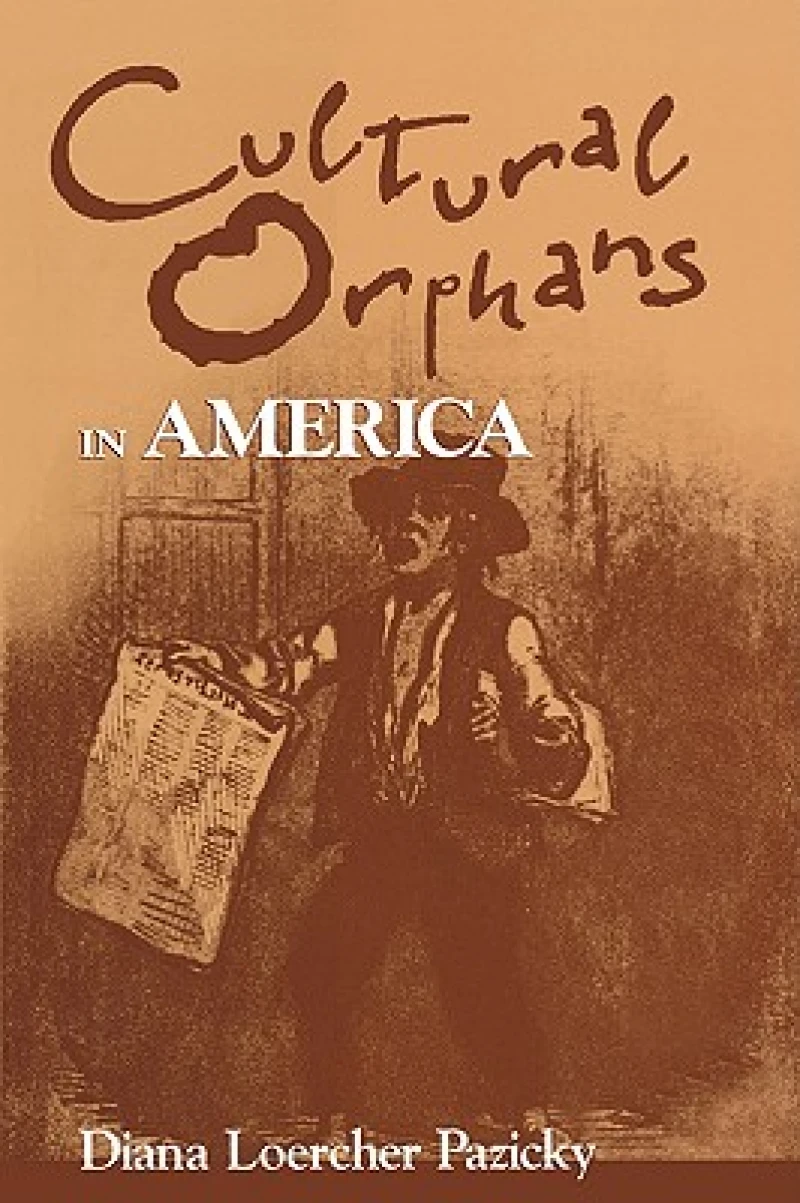
Cultural Orphans in America
Book Details
Format
Paperback / Softback
ISBN-10
1604731923
ISBN-13
9781604731927
Publisher
University Press of Mississippi
Imprint
University Press of Mississippi
Country of Manufacture
US
Country of Publication
GB
Publication Date
Oct 30th, 2008
Print length
232 Pages
Weight
388 grams
Dimensions
25.20 x 13.80 x 1.60 cms
Product Classification:
Literary companions, book reviews & guidesEthnic studies
Ksh 5,050.00
Werezi Extended Catalogue
0 in stock
Delivery Location
Delivery fee: Select location
Secure
Quality
Fast
Applying aspects of psychoanalytic theory that pertain to identity formation, specifically René Girard's theory of the scapegoat, Cultural Orphans in America examines the orphan trope in early American texts and the antebellum nineteenth-century American novel as a reaction to social upheaval and internal tensions.
A study of orphan imagery as a reflection of cultural identity formation in AmericaImages of orphanhood have pervaded American fiction since the colonial period. Common in British literature, the orphan figure in American texts serves a unique cultural purpose, representing marginalized racial, ethnic, and religious groups that have been scapegoated by the dominant culture. Among these groups are Native Americans, African Americans, immigrants, and Catholics. In keeping with their ideological function, images of orphanhood occur within the context of family metaphors in which children represent those who belong to the family, or the dominant culture, and orphans represent those who are excluded from it. In short, the family as an institution provides the symbolic stage on which the drama of American identity formation is played out.Applying aspects of psychoanalytic theory that pertain to identity formation, specifically René Girard''s theory of the scapegoat, Cultural Orphans in America examines the orphan trope in early American texts and the antebellum nineteenth-century American novel as a reaction to the social upheaval and internal tensions generated by three major episodes in American history: the Great Migration, the American Revolution, and the rise of the republic. In Puritan religious texts and Anne Bradstreet''s poetry, orphan imagery expresses the doubt and uncertainty that shrouded the mission to the New World. During the Revolutionary and post-Revolutionary periods, the separation of the colonies from England inspired an identification with orphanhood in Thomas Paine''s writings. In novels by Charles Brockden Brown and James Fenimore Cooper, orphan imagery encodes the distinction between Native Americans and the new Americans who have usurped their position as children of the burgeoning republic. In women''s sentimental fiction of the 1850s, images of orphanhood represent class and ethnic conflict, and Uncle Tom''s Cabin, like Frederick Douglass''s autobiographies, employs orphan imagery to suggest the slave''s orphanhood from the human as well as the national family.Diana Loercher Pazicky is a faculty member in the English department at the Ambler campus of Temple University.
Get Cultural Orphans in America by at the best price and quality guaranteed only at Werezi Africa's largest book ecommerce store. The book was published by University Press of Mississippi and it has pages.

