

Cybersecurity for Elections : A Commonwealth Guide on Best Practice
Book Details
Format
Paperback / softback
ISBN-10
1849291926
ISBN-13
9781849291927
Publisher
Commonwealth Secretariat
Imprint
Commonwealth Secretariat
Country of Manufacture
GB
Country of Publication
GB
Publication Date
May 1st, 2020
Print length
160 Pages
Weight
496 grams
Dimensions
25.30 x 19.10 x 1.50 cms
KSh 8,100.00
Currently unavailable
0 in stock
Delivery Location
Delivery fee: Select location
Secure
Quality
Fast
Explains how cybersecurity issues can compromise traditional aspects of elections, like verifying voters, counting and casting votes, and announcing results. The guide explores how cybersecurity interacts with the broader electoral environment, including data management, online campaigns, social media, false or divisive information, and e-voting.
Since the 1990s, Internet-connected devices have become an integral part of day-to-day life for many in the Commonwealth, including for election-related activities. However, during each phase of contemporary elections, the direct and indirect use of computers and other technology introduces a range of risks to electoral integrity.
This guide explains how cybersecurity issues can compromise traditional aspects of elections, such as verifying voters, counting and casting votes, and announcing results. It also explores how cybersecurity interacts with the broader electoral environment, including data management by candidates and parties, online campaigns, social media, false or divisive information, and e-voting. Unless carefully managed, all of these cybersecurity issues can present a critical threat to public confidence in election outcomes — the cornerstone of democracy.
To help Electoral Management Bodies (EMBs) manage cybersecurity risks, this guide describes principles for electoral cybersecurity as well as specific organisational recommendations that can be adapted as required. It additionally signposts an array of more detailed materials that can help with specific technical, social, or regulatory challenges.
This guide explains how cybersecurity issues can compromise traditional aspects of elections, such as verifying voters, counting and casting votes, and announcing results. It also explores how cybersecurity interacts with the broader electoral environment, including data management by candidates and parties, online campaigns, social media, false or divisive information, and e-voting. Unless carefully managed, all of these cybersecurity issues can present a critical threat to public confidence in election outcomes — the cornerstone of democracy.
To help Electoral Management Bodies (EMBs) manage cybersecurity risks, this guide describes principles for electoral cybersecurity as well as specific organisational recommendations that can be adapted as required. It additionally signposts an array of more detailed materials that can help with specific technical, social, or regulatory challenges.
Get Cybersecurity for Elections by Commonwealth Secretariat at the best price and quality guaranteed only at Werezi Africa's largest book ecommerce store. The book was published by Commonwealth Secretariat and it has 160 pages.
Customers Who Bought This Also Bought
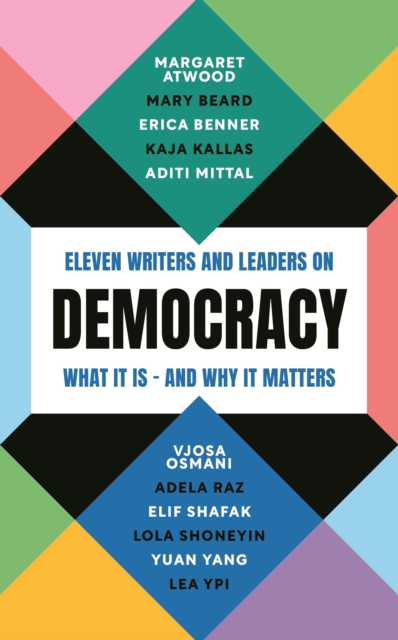
Democracy
KSh 1,450.00
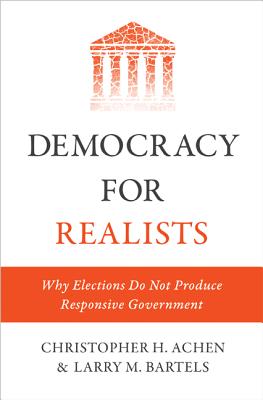
Democracy for Realists – Why Elections Do Not Produce Responsive Government
KSh 4,700.00

A History of Political Conflict – Elections and Social Inequalities in France, 1789–2022
KSh 11,350.00

KJV, The King James Study Bible, Leathersoft, Brown, Red Letter, Full-Color Edition
KSh 11,700.00

Regime Change
KSh 6,100.00

Where We Stand
KSh 5,050.00
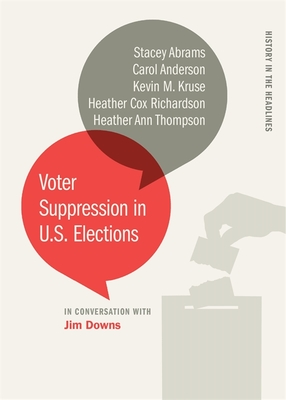
Voter Suppression in U.S. Elections
KSh 4,300.00
Voter Suppression in U.S. Elections
KSh 26,700.00

Buying Reality – Political Ads, Money, and Local Television News
KSh 21,600.00

Countering the Authoritarian Challenge
KSh 15,300.00

Storming the State House
KSh 5,750.00
Who Runs Georgia?
KSh 6,150.00
More by Commonwealth Secretariat

Commonwealth Economic Development Report 2019
KSh 10,800.00

Capture Fisheries
KSh 6,300.00
Commonwealth Trade Review 2018
KSh 8,100.00

Changing the Law
KSh 9,900.00

Negotiating Against the Odds
KSh 13,500.00

Advancing Gender Equality
KSh 9,000.00

Small States
KSh 8,100.00

Current Good Practices and New Developments in Public Sector Service Management
KSh 15,300.00

Overview of Youth Development in Ghana
KSh 10,800.00

Youth Mainstreaming in Development Planning
KSh 11,700.00

Blue Biotechnology
KSh 6,300.00
A Handbook for Gender-Inclusive Elections in Commonwealth Africa
KSh 8,100.00
More in This Genre
Democracy
KSh 1,450.00
Democracy for Realists – Why Elections Do Not Produce Responsive Government
KSh 4,700.00
A History of Political Conflict – Elections and Social Inequalities in France, 1789–2022
KSh 11,350.00
KJV, The King James Study Bible, Leathersoft, Brown, Red Letter, Full-Color Edition
KSh 11,700.00
Regime Change
KSh 6,100.00
Where We Stand
KSh 5,050.00
