
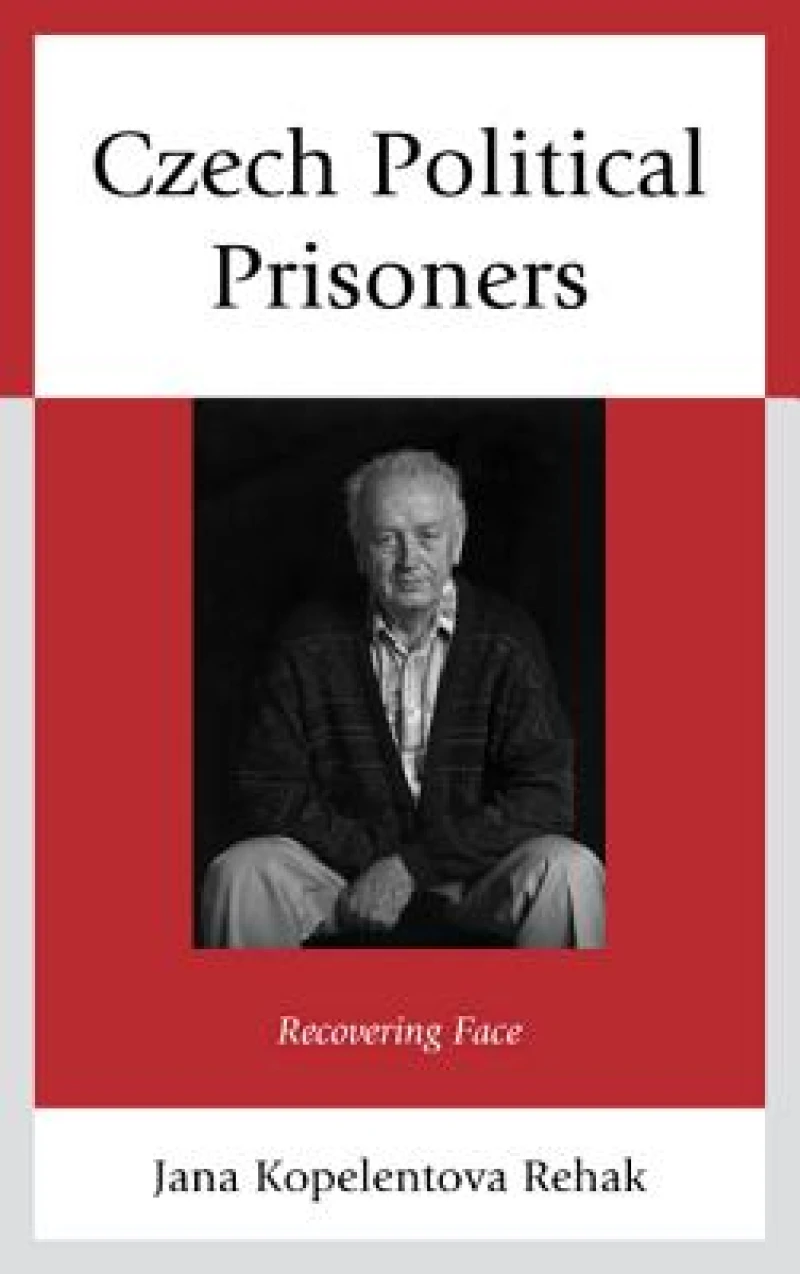
Czech Political Prisoners : Recovering Face
Book Details
Format
Hardback or Cased Book
ISBN-10
073917634X
ISBN-13
9780739176344
Publisher
Bloomsbury Publishing Plc
Imprint
Lexington Books
Country of Manufacture
GB
Country of Publication
GB
Publication Date
Dec 14th, 2012
Print length
192 Pages
Weight
434 grams
Dimensions
22.90 x 15.90 x 2.00 cms
Product Classification:
European historyOffendersPolitical oppression & persecution
Ksh 18,300.00
Manufactured on Demand
0 in stock
Delivery Location
Delivery fee: Select location
Secure
Quality
Fast
Czech Political Prisoners: Recovering Face is the story of men and women who survived Czechoslovakian concentration camps under the Communist regime. Men and women disappeared, were arrested, imprisoned, interrogated, tortured, put on trial, convicted, and sentenced to forced labor camps. In 1948 in Czechoslovakia, political others became political prisoners. New forms of political practices developed under the institution of the totalitarian Czechoslovakian communist state. This new regime of totalitarian political power produced culturally specific forms of organized political violence. Between 1948 and 1989 some citizens recognized by the state as political others were subjected to such ritualized political violence. The link between ritualized violence and state subjects'' political passage laid the groundwork for the formation of new social identities.In the post-totalitarian state, the political other from the socialist era remains other through distinct desires and acts of coming to terms with the experience of organized violence. Like other members of the Czech and Slovak states, former prisoners are now facing the post-totalitarian remaking of life. In contrast to society at large, the political prisoners'' recovery from the totalitarian past has proven that the ethics of political life—individual and communal coming to terms with the past—is closely related and crucial to their efforts toward reconciliation. Today, in the Czech Republic, as well as in other post-socialist countries, the desire to reconcile is not limited to survivors of camps, prisoners, and dissidents. People from the youngest generation are asking questions about crimes, punishment, and forgiveness related to the Communist regime in central and eastern Europe. The purpose of this story is to expose individual and communal experience, subjectivity, and consciousness hidden in the ruins of memory of Socialism in Czechoslovakia.
Czech Political Prisoners: Recovering Face is the story of men and women who survived Czechoslovakian concentration camps under the Communist regime. Men and women disappeared, were arrested, imprisoned, interrogated, tortured, put on trial, convicted, and sentenced to forced labor camps. In 1948 in Czechoslovakia, political others became political prisoners. New forms of political practices developed under the institution of the totalitarian Czechoslovakian communist state. This new regime of totalitarian political power produced culturally specific forms of organized political violence. Between 1948 and 1989 some citizens recognized by the state as political others were subjected to such ritualized political violence. The link between ritualized violence and state subjects' political passage laid the groundwork for the formation of new social identities. In the post-totalitarian state, the political other from the socialist era remains other through distinct desires and acts of coming to terms with the experience of organized violence. Like other members of the Czech and Slovak states, former prisoners are now facing the post-totalitarian remaking of life. In contrast to society at large, the political prisoners' recovery from the totalitarian past has proven that the ethics of political life—individual and communal coming to terms with the past—is closely related and crucial to their efforts toward reconciliation. Today, in the Czech Republic, as well as in other post-socialist countries, the desire to reconcile is not limited to survivors of camps, prisoners, and dissidents. People from the youngest generation are asking questions about crimes, punishment, and forgiveness related to the Communist regime in central and eastern Europe. The purpose of this story is to expose individual and communal experience, subjectivity, and consciousness hidden in the ruins of memory of Socialism in Czechoslovakia.
Get Czech Political Prisoners by at the best price and quality guaranteed only at Werezi Africa's largest book ecommerce store. The book was published by Bloomsbury Publishing Plc and it has pages.

