
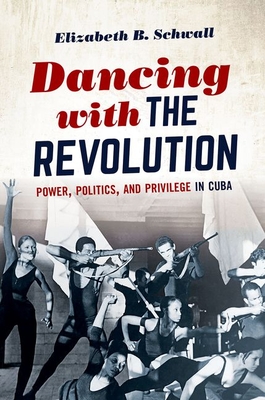
Dancing with the Revolution : Power, Politics, and Privilege in Cuba
Book Details
Format
Paperback / softback
Book Series
Envisioning Cuba
ISBN-10
1469662973
ISBN-13
9781469662978
Publisher
The University of North Carolina Press
Imprint
The University of North Carolina Press
Country of Manufacture
US
Country of Publication
GB
Publication Date
May 10th, 2021
Print length
320 Pages
Weight
446 grams
Dimensions
15.50 x 23.30 x 2.50 cms
Product Classification:
DanceDanceRegional & national historyGeneral and world history
KSh 5,050.00
Currently unavailable
0 in stock
Delivery Location
Delivery fee: Select location
Secure
Quality
Fast
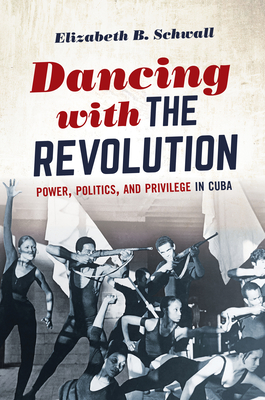
Aligns culture and politics by focusing on an art form that became a darling of the Cuban revolution: dance. In this history of staged performance in ballet, modern dance, and folkloric dance, Elizabeth Schwall analyzes how and why dance artists interacted with republican and, later, revolutionary politics.
Elizabeth B. Schwall aligns culture and politics by focusing on an art form that became a darling of the Cuban revolution: dance. In this history of staged performance in ballet, modern dance, and folkloric dance, Schwall analyzes how and why dance artists interacted with republican and, later, revolutionary politics. Drawing on written and visual archives, including intriguing exchanges between dancers and bureaucrats, Schwall argues that Cubans dancers used their bodies and ephemeral, nonverbal choreography to support and critique political regimes and cultural biases.
As esteemed artists, Cuban dancers exercised considerable power and influence. They often used their art to posit more radical notions of social justice than political leaders were able or willing to implement. After 1959, while generally promoting revolutionary projects like mass education and internationalist solidarity, they also took risks by challenging racial prejudice, gender norms, and censorship, all of which could affect dancers personally. On a broader level, Schwall shows that dance, too often overlooked in histories of Latin America and the Caribbean, provides fresh perspectives on what it means for people, and nations, to move through the world.
As esteemed artists, Cuban dancers exercised considerable power and influence. They often used their art to posit more radical notions of social justice than political leaders were able or willing to implement. After 1959, while generally promoting revolutionary projects like mass education and internationalist solidarity, they also took risks by challenging racial prejudice, gender norms, and censorship, all of which could affect dancers personally. On a broader level, Schwall shows that dance, too often overlooked in histories of Latin America and the Caribbean, provides fresh perspectives on what it means for people, and nations, to move through the world.
Get Dancing with the Revolution by Elizabeth B. Schwall at the best price and quality guaranteed only at Werezi Africa's largest book ecommerce store. The book was published by The University of North Carolina Press and it has 320 pages.
Customers Who Bought This Also Bought
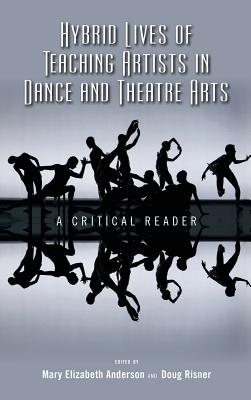
Hybrid Lives of Teaching Artists in Dance and Theatre Arts
KSh 18,000.00

Making Revolution Irresistible in Socially Engaged Art
KSh 30,950.00
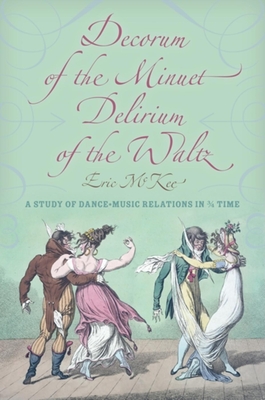
Decorum of the Minuet, Delirium of the Waltz
KSh 6,500.00

Ancient Ruins in Contemporary Cinema and Theatre
KSh 20,450.00

Making Revolution Irresistible in Socially Engaged Art
KSh 7,950.00
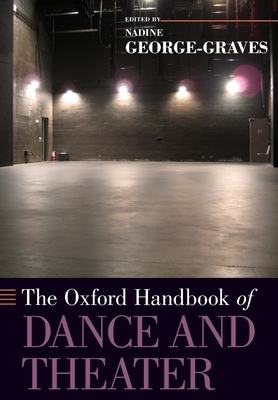
The Oxford Handbook of Dance and Theater
KSh 11,750.00
Ageing, Gender, Embodiment and Dance
KSh 16,200.00
Error, Ambiguity, and Creativity
KSh 8,100.00

The Modern Bachateros
KSh 7,250.00
Dancing in Blackness
KSh 4,250.00

Matamua ko te Kupu!
KSh 4,500.00

Site, Dance and Body
KSh 19,800.00
More by Elizabeth B. Schwall
More in This Genre
Hybrid Lives of Teaching Artists in Dance and Theatre Arts
KSh 18,000.00
Making Revolution Irresistible in Socially Engaged Art
KSh 30,950.00
Decorum of the Minuet, Delirium of the Waltz
KSh 6,500.00
Ancient Ruins in Contemporary Cinema and Theatre
KSh 20,450.00
Making Revolution Irresistible in Socially Engaged Art
KSh 7,950.00
The Oxford Handbook of Dance and Theater
KSh 11,750.00
