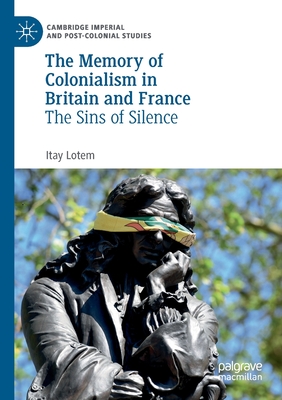
Dealing With Dark Pasts : A European History of Auto-Critical Memory in Global Perspective
by
Itay Lotem
Book Details
Format
Hardback
Book Series
Elements in Historical Theory and Practice
ISBN-10
1009507400
ISBN-13
9781009507400
Publisher
Cambridge University Press
Imprint
Cambridge University Press
Country of Manufacture
GB
Country of Publication
GB
Publication Date
Jan 16th, 2025
Print length
88 Pages
Weight
268 grams
Dimensions
22.90 x 15.20 x 0.60 cms
Product Classification:
History: theory & methodsHistory: theory and methods
KSh 10,050.00
Currently unavailable
0 in stock
Delivery Location
Delivery fee: Select location
Secure
Quality
Fast
The political focus has shifted from recognizing states' victories to their own historical crimes. This Element explores the rise of 'auto-critical memory', its globalization, and current debates on remembering colonial pasts. It examines case studies across Europe and questions the usefulness of memory in achieving social and racial justice goals.
Since the end of the Second World War, the political rationale to remember the past has shifted from previous focus on states'' victories, as these began commemorating their own historical crimes. This Element follows the rise of ''auto-critical memory'', or the politics of remembrance of a country''s own dark past. The Element explores the idea''s gestation in West Germany after the Second World War, its globalisation through initiatives of ''transitional justice'' in the 1990s, and present-day debates about how to remember the colonial past. It follows different case studies that span the European continent ? including Germany, France, Britain, Poland and Serbia ? and places these in a global context that traces the circulation of ideas of auto-critical memory. Ultimately, as it follows the emergence of demands for social and racial justice, the Element questions the usefulness of memory to achieve the goals many political actors ascribe to it.
Get Dealing With Dark Pasts by Itay Lotem at the best price and quality guaranteed only at Werezi Africa's largest book ecommerce store. The book was published by Cambridge University Press and it has 88 pages.
Customers Who Bought This Also Bought

How Civil Wars Start
KSh 2,000.00
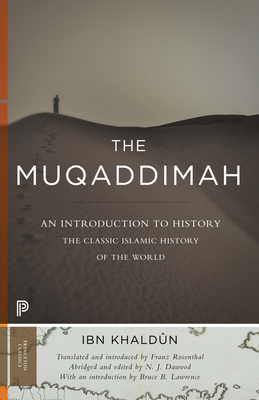
The Muqaddimah – An Introduction to History – Abridged Edition
KSh 3,650.00

The Uses and Abuses of History
KSh 1,600.00

Introduction to the Philosophy of History
KSh 2,900.00
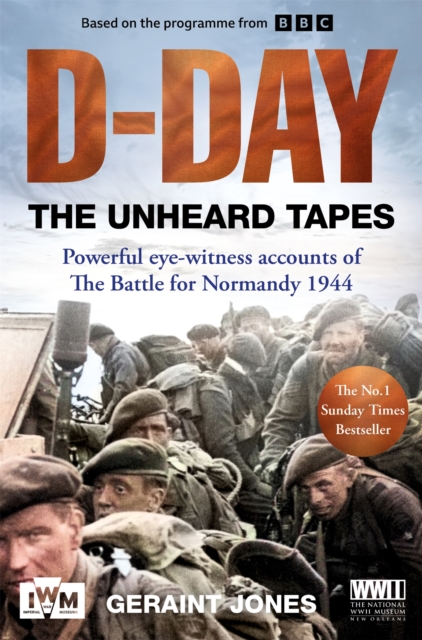
D-Day: The Unheard Tapes
KSh 2,000.00
Xrepublic
KSh 850.00
Xrepublic
KSh 1,450.00

On History
KSh 2,500.00

Reframing Indigenous Biography
KSh 26,300.00
Subaltern Geographies
KSh 7,400.00

Closer to the Truth Than Any Fact – Memoir, Memory, and Jim Crow
KSh 9,250.00
Imagining the Past
KSh 6,250.00