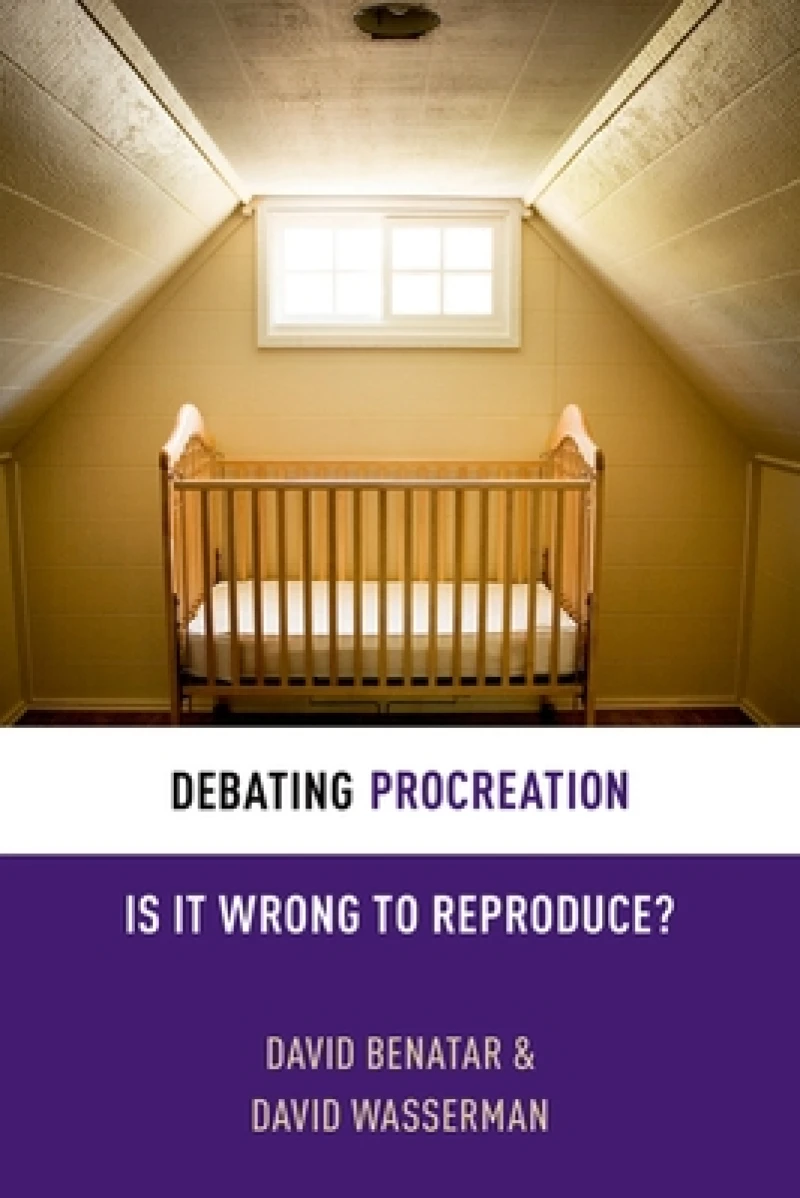
Debating Procreation : Is It Wrong to Reproduce?
Book Details
Format
Paperback / Softback
Book Series
Debating Ethics
ISBN-10
0199333556
ISBN-13
9780199333554
Publisher
Oxford University Press Inc
Imprint
Oxford University Press Inc
Country of Manufacture
GB
Country of Publication
GB
Publication Date
Jun 25th, 2015
Print length
280 Pages
Weight
302 grams
Dimensions
41.60 x 17.60 x 2.10 cms
Product Classification:
Ethics & moral philosophySocial & political philosophyEthical issues & debatesBio-ethics
Ksh 6,850.00
Manufactured on Demand
0 in stock
Delivery Location
Delivery fee: Select location
Secure
Quality
Fast
While procreation is ubiquitous, attention to the ethical issues involved in creating children is relatively rare. The authors of Debating Procreation take opposing views on this important question.
While procreation is ubiquitous, attention to the ethical issues involved in creating children is relatively rare. In Debating Procreation, David Benatar and David Wasserman take opposing views on this important question. David Benatar argues for the anti-natalist view that it is always wrong to bring new people into existence. He argues that coming into existence is always a serious harm and that even if it were not always so, the risk of serious harm is sufficiently great to make procreation wrong. In addition to these "philanthropic" arguments, he advances the "misanthropic" one that because humans are so defective and cause vast amounts of harm, it is wrong to create more of them.David Wasserman defends procreation against the anti-natalist challenge. He outlines a variety of moderate pro-natalist positions, which all see procreation as often permissible but never required. After criticizing the main anti-natalist arguments, he reviews those pronatalist positions. He argues that constraints on procreation are best understood in terms of the role morality of prospective parents, considers different views of that role morality, and argues for one that imposes only limited constraints based on the well-being of the future child. He then argues that the expected good of a future child and of the parent-child relationship can provide a strong justification for procreation in the face of expected adversities without giving individuals any moral reason to procreate
Get Debating Procreation by at the best price and quality guaranteed only at Werezi Africa's largest book ecommerce store. The book was published by Oxford University Press Inc and it has pages.