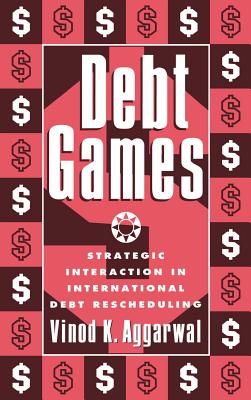
Debt Games : Strategic Interaction in International Debt Rescheduling
Book Details
Format
Paperback / softback
ISBN-10
0521555523
ISBN-13
9780521555524
Publisher
Cambridge University Press
Imprint
Cambridge University Press
Country of Manufacture
GB
Country of Publication
GB
Publication Date
Apr 26th, 1996
Print length
632 Pages
Weight
926 grams
Dimensions
23.00 x 15.20 x 3.50 cms
Product Classification:
International economicsInternational financePublic financePublic finance and taxation
KSh 9,300.00
Currently unavailable
0 in stock
Delivery Location
Delivery fee: Select location
Secure
Quality
Fast
This book explains the significant variation that has emerged over time and across cases in international debt rescheduling during the last one hundred and seventy years. Based on a novel situational theory of bargaining, Professor Aggarwal provides a method to deduce actors' payoffs in different bargaining situations to develop 'debt games' which are then used to predict negotiating outcomes.
International debt rescheduling, both in earlier epochs and our present one, has been marked by a flurry of bargaining. In this process, significant variation has emerged over time and across cases in the extent to which debtors have undertaken economic adjustment, banks or bondholders have written down debts, and creditor governments and international organizations have intervened in negotiations. Debt Games develops and applies a situational theory of bargaining to analyze the adjustment undertaken by debtors and the concessions provided by lenders in international debt rescheduling. This approach has two components: a focus on each actor's individual situation, defined by its political and economic bargaining resources, and a complementary focus on changes in their position. The model proves successful in accounting for bargaining outcomes in eighty-four percent of the sixty-one cases, which include all instances of Peruvian and Mexican debt rescheduling over the last one hundred and seventy years as well as Argentine and Brazilian rescheduling between 1982 and 1994.
Get Debt Games by Vinod K. Aggarwal at the best price and quality guaranteed only at Werezi Africa's largest book ecommerce store. The book was published by Cambridge University Press and it has 632 pages.
Customers Who Bought This Also Bought

The White Man''s Burden
KSh 2,900.00

We Are Not Able to Live in the Sky
KSh 3,400.00
New Confessions of an Economic Hit Man
KSh 2,700.00

Good Economics for Hard Times
KSh 2,350.00
The Bottom Billion
KSh 2,500.00

How to Win a Trade War
KSh 3,050.00

World for Sale
KSh 2,150.00
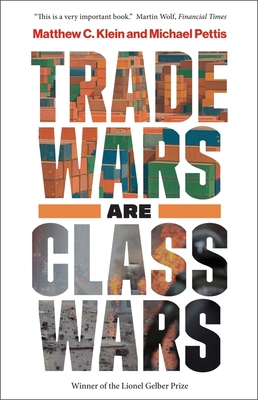
Trade Wars Are Class Wars – How Rising Inequality Distorts the Global Economy and Threatens International Peace
KSh 2,600.00

Capital and Ideology
KSh 7,450.00
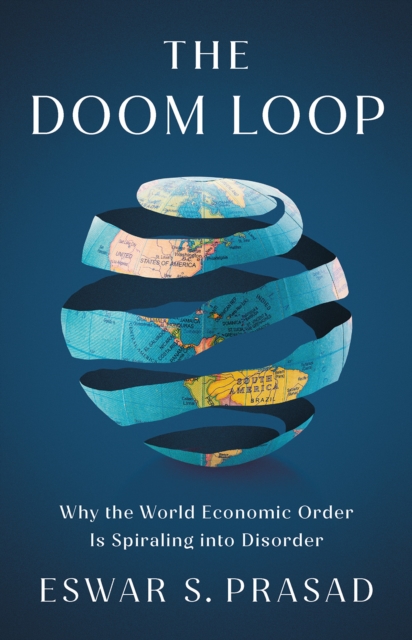
Doom Loop
KSh 4,150.00
Shared Prosperity in a Fractured World
KSh 4,000.00
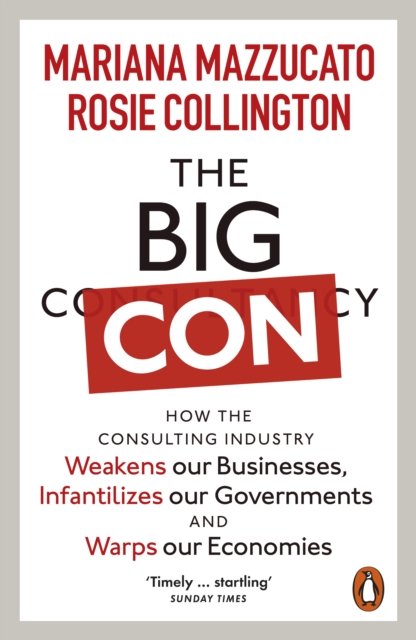
Big Con
KSh 2,350.00