

Decoding the Jewels : Renaissance Jewellery in Scotland
Book Details
Format
Hardback
ISBN-10
9464262583
ISBN-13
9789464262582
Publisher
Sidestone Press
Imprint
Sidestone Press
Country of Manufacture
GB
Country of Publication
GB
Publication Date
May 15th, 2024
Print length
200 Pages
Product Classification:
Renaissance artAntiques & collectables: jewellery
KSh 17,100.00
Publisher Out of Stock
0 in stock
Delivery Location
Delivery fee: Select location
Secure
Quality
Fast
For the first time, National Museums Scotland’s important collection of Renaissance jewellery from Scotland is considered together in this fully illustrated volume alongside significant items from the Royal Collection. The book was inspired by the acquisition by NMS of the extraordinary Fettercairn Jewel: the fine iconography of this exquisitely enamelled locket held coded messages for its sixteenth century owners, and continues to intrigue its viewers today. Renaissance jewellery like this in Scotland is particularly notable given the rare survival of such jewels from the sixteenth century. Some of these owe their survival thanks to their association with Mary, Queen of Scots. Elite Renaissance men and women commissioned, wore and gifted intricate and valuable pieces of jewellery. For most, this was not simply adornment, but used to communicate messages and display status. These were intimate personal possessions and suggest the meanings invested in them by their owners, that resonate with audiences today. Such jewels are evocative objects. This lavishly illustrated book brings together expert voices from the key Scottish collections (National Museums Scotland, National Galleries of Scotland, Royal Collection Trust) to explore the making, meaning and function of such jewellery in sixteenth century Scotland, and features an interpretation of the Fettercairn Jewel by the jewellery expert Geoffrey Munn. It reveals hitherto underappreciated evidence of goldsmithing in Scotland while considering significant continental influences in the design and production of jewellery. Given the ephemeral nature, and rare survival of Renaissance jewellery, its authors also suggest alternative ways of tracing the gems that have gone, in the portraits and inventories of Scottish men and women.
This lavishly illustrated book brings together expert voices from the key Scottish collections to explore the making, meaning and function of such jewelry in sixteenth century Scotland.
For the first time, National Museums Scotlands important collection of Renaissance jewelry from Scotland is considered together in this fully illustrated volume alongside significant items from the Royal Collection. The book was inspired by the acquisition by NMS of the extraordinary Fettercairn Jewel: the fine iconography of this exquisitely enameled locket held coded messages for its sixteenth century owners, and continues to intrigue its viewers today. Renaissance jewelry like this in Scotland is particularly notable given the rare survival of such jewels from the sixteenth century. Some of these owe their survival thanks to their association with Mary, Queen of Scots.
Elite Renaissance men and women commissioned, wore and gifted intricate and valuable pieces of jewelry. For most, this was not simply adornment, but used to communicate messages and display status. These were intimate personal possessions and suggest the meanings invested in them by their owners, that resonate with audiences today. Such jewels are evocative objects.
This lavishly illustrated book brings together expert voices from the key Scottish collections (National Museums Scotland, National Galleries of Scotland, Royal Collection Trust) to explore the making, meaning and function of such jewelry in sixteenth century Scotland, and features an interpretation of the Fettercairn Jewel by the jewelry expert Geoffrey Munn. It reveals hitherto underappreciated evidence of goldsmithing in Scotland while considering significant continental influences in the design and production of jewelry. Given the ephemeral nature, and rare survival of Renaissance jewelry, its authors also suggest alternative ways of tracing the gems that have gone, in the portraits and inventories of Scottish men and women.
For the first time, National Museums Scotlands important collection of Renaissance jewelry from Scotland is considered together in this fully illustrated volume alongside significant items from the Royal Collection. The book was inspired by the acquisition by NMS of the extraordinary Fettercairn Jewel: the fine iconography of this exquisitely enameled locket held coded messages for its sixteenth century owners, and continues to intrigue its viewers today. Renaissance jewelry like this in Scotland is particularly notable given the rare survival of such jewels from the sixteenth century. Some of these owe their survival thanks to their association with Mary, Queen of Scots.
Elite Renaissance men and women commissioned, wore and gifted intricate and valuable pieces of jewelry. For most, this was not simply adornment, but used to communicate messages and display status. These were intimate personal possessions and suggest the meanings invested in them by their owners, that resonate with audiences today. Such jewels are evocative objects.
This lavishly illustrated book brings together expert voices from the key Scottish collections (National Museums Scotland, National Galleries of Scotland, Royal Collection Trust) to explore the making, meaning and function of such jewelry in sixteenth century Scotland, and features an interpretation of the Fettercairn Jewel by the jewelry expert Geoffrey Munn. It reveals hitherto underappreciated evidence of goldsmithing in Scotland while considering significant continental influences in the design and production of jewelry. Given the ephemeral nature, and rare survival of Renaissance jewelry, its authors also suggest alternative ways of tracing the gems that have gone, in the portraits and inventories of Scottish men and women.
Get Decoding the Jewels by Anna Groundwater at the best price and quality guaranteed only at Werezi Africa's largest book ecommerce store. The book was published by Sidestone Press and it has 200 pages.
Customers Who Bought This Also Bought
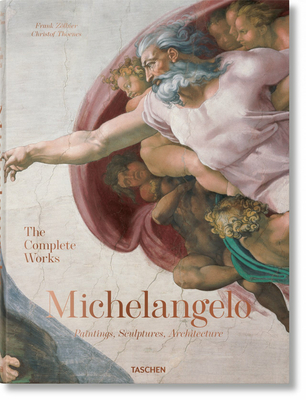
Michelangelo
KSh 15,850.00
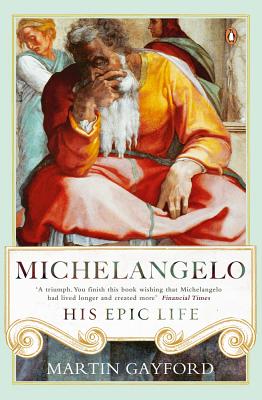
Michelangelo
KSh 5,950.00
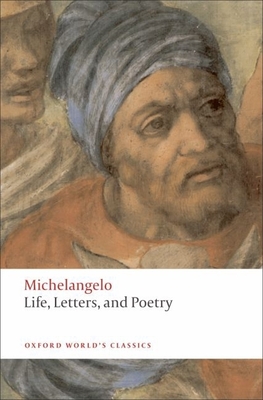
Life, Letters, and Poetry
KSh 2,000.00
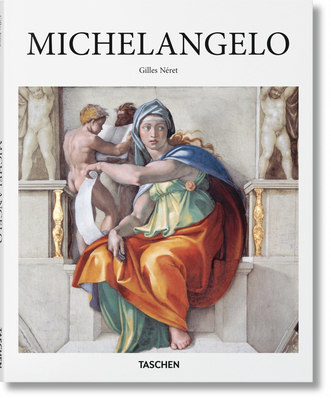
Michelangelo
KSh 3,250.00
Divine Comedy
KSh 3,750.00

Perspectives
KSh 2,700.00
Artistic Theory in Italy 1450-1600
KSh 2,350.00
Women Artists, Their Patrons, and Their Publics in Early Modern Bologna
KSh 11,950.00

Sienese Painting
KSh 3,050.00
Michelangelo`s Dream
KSh 13,150.00
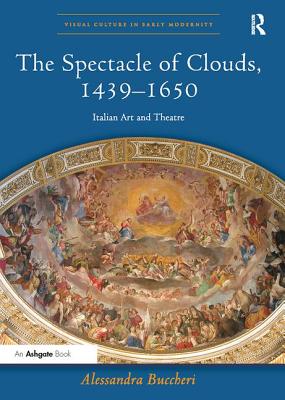
The Spectacle of Clouds 1439-1650
KSh 9,900.00
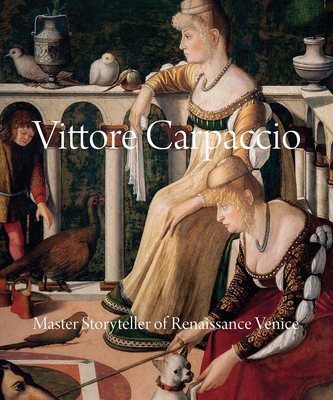
Vittore Carpaccio – Master Storyteller of Renaissance Venice
KSh 11,750.00
