
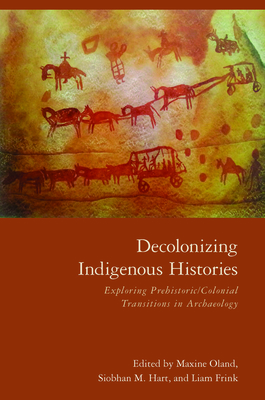
Decolonizing Indigenous Histories : Exploring Prehistoric/Colonial Transitions in Archaeology
Book Details
Format
Paperback / softback
ISBN-10
0816542570
ISBN-13
9780816542574
Publisher
University of Arizona Press
Imprint
University of Arizona Press
Country of Manufacture
US
Country of Publication
GB
Publication Date
Dec 1st, 2020
Print length
320 Pages
Weight
455 grams
Dimensions
22.60 x 15.20 x 2.00 cms
KSh 5,600.00
Currently unavailable
0 in stock
Delivery Location
Delivery fee: Select location
Secure
Quality
Fast
Offers a vital contribution to the decolonization of archaeology by recasting colonialism within long-term indigenous histories. Showcasing case studies from Africa, Australia, Mesoamerica, and North and South America, this volume highlights the work of archaeologists who study indigenous peoples and histories at multiple scales.
Decolonizing Indigenous Histories makes a vital contribution to the decolonization of archaeology by recasting colonialism within long-term indigenous histories. Showcasing case studies from Africa, Australia, Mesoamerica, and North and South America, this edited volume highlights the work of archaeologists who study indigenous peoples and histories at multiple scales.
The contributors explore how the inclusion of indigenous histories, and collaboration with contemporary communities and scholars across the subfields of anthropology, can reframe archaeologies of colonialism. The cross-cultural case studies employ a broad range of methodological strategies-archaeology, ethnohistory, archival research, oral histories, and descendant perspectives-to better appreciate processes of colonialism. The authors argue that these more complicated histories of colonialism contribute not only to understandings of past contexts but also to contemporary social justice projects.
In each chapter, authors move beyond an academic artifice of ''prehistoric'' and ''colonial'' and instead focus on longer sequences of indigenous histories to better understand colonial contexts. Throughout, each author explores and clarifies the complexities of indigenous daily practices that shape, and are shaped by, long-term indigenous and local histories by employing an array of theoretical tools, including theories of practice, agency, materiality, and temporality.
Included are larger integrative chapters by Kent Lightfoot and Patricia Rubertone, foremost North American colonialism scholars who argue that an expanded global perspective is essential to understanding processes of indigenous-colonial interactions and transitions.
The contributors explore how the inclusion of indigenous histories, and collaboration with contemporary communities and scholars across the subfields of anthropology, can reframe archaeologies of colonialism. The cross-cultural case studies employ a broad range of methodological strategies-archaeology, ethnohistory, archival research, oral histories, and descendant perspectives-to better appreciate processes of colonialism. The authors argue that these more complicated histories of colonialism contribute not only to understandings of past contexts but also to contemporary social justice projects.
In each chapter, authors move beyond an academic artifice of ''prehistoric'' and ''colonial'' and instead focus on longer sequences of indigenous histories to better understand colonial contexts. Throughout, each author explores and clarifies the complexities of indigenous daily practices that shape, and are shaped by, long-term indigenous and local histories by employing an array of theoretical tools, including theories of practice, agency, materiality, and temporality.
Included are larger integrative chapters by Kent Lightfoot and Patricia Rubertone, foremost North American colonialism scholars who argue that an expanded global perspective is essential to understanding processes of indigenous-colonial interactions and transitions.
Get Decolonizing Indigenous Histories by Liam Frink at the best price and quality guaranteed only at Werezi Africa's largest book ecommerce store. The book was published by University of Arizona Press and it has 320 pages.
Customers Who Bought This Also Bought

White Saviorism In International Development
KSh 3,800.00

Empireland
KSh 2,150.00

Question of Palestine
KSh 2,700.00

King Leopold''s Ghost
KSh 2,350.00
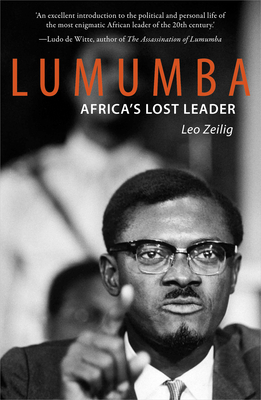
Lumumba
KSh 2,350.00

Orientalism
KSh 2,350.00

Anarchy
KSh 2,700.00
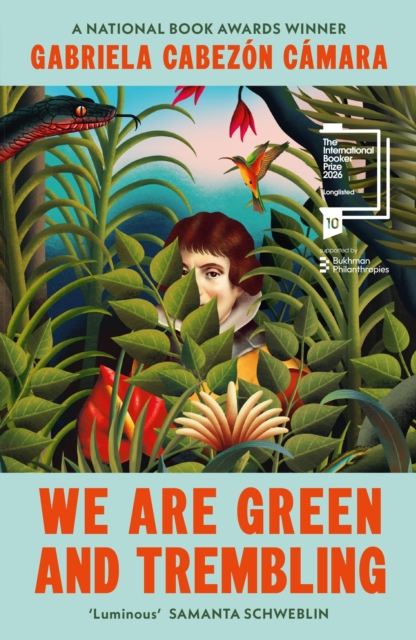
We Are Green and Trembling
KSh 1,800.00

Africa
KSh 7,900.00

Sanctuary
KSh 3,950.00

Recognising the Stranger
KSh 1,800.00
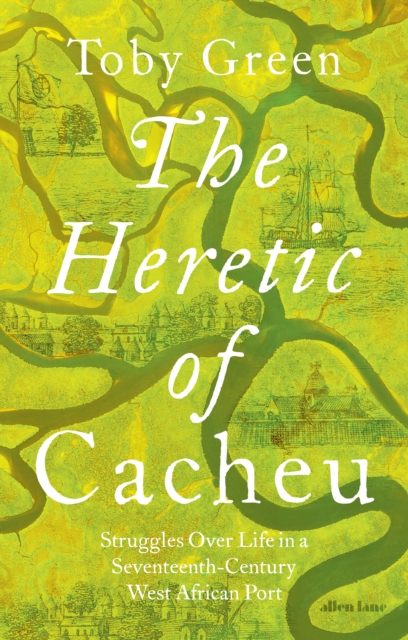
The Heretic of Cacheu
KSh 4,500.00
