

Deescalating a Trade War : Strategies of Reciprocation amid US-China Great Power Competition
Book Details
Format
Hardback
Book Series
Elements in International Relations
ISBN-10
1009659170
ISBN-13
9781009659178
Publisher
Cambridge University Press
Imprint
Cambridge University Press
Country of Manufacture
GB
Country of Publication
GB
Publication Date
Aug 13th, 2026
Print length
75 Pages
KSh 9,900.00
Currently unavailable
0 in stock
Delivery Location
Delivery fee: Select location
Secure
Quality
Fast
Deescalating a conflict requires some positive signal from one side and reciprocation by the other. How a country reciprocates and how its rival respond to its reciprocation is critical to deescalation. Existing scholarship focuses on balanced reciprocity. This Element theorizes and tests two other forms: semi-reciprocity and super-reciprocity.
Reciprocation is central to conflict deescalation. How a country reciprocates-and how its domestic public and international rival respond to its reciprocation-can play an important role in shaping the trajectory of conflicts. Moving beyond conventional understandings in international relations that focus on balanced reciprocity between states, we propose two additional general forms of reciprocation: semi-reciprocity (reciprocation perceivably less than received) and super-reciprocity (more than received). We situate our theory in a hard case for deescalation, the US-China trade war, where relative-gains concerns are salient amid great power rivalry. Employing novel dyadic experiments that capture strategic interactions between states, we show, for the first time, how different strategies of reciprocation shape the domestic feasibilities of deescalation. The findings reveal how different forms and sequences of reciprocation shape the prospect of rapprochement, shedding light on the public dynamics underlying different pathways of deescalating a trade war that has profoundly impacted the world.
Get Deescalating a Trade War by Eddy S. F. Yeung, Kai Quek at the best price and quality guaranteed only at Werezi Africa's largest book ecommerce store. The book was published by Cambridge University Press and it has 75 pages.
Customers Who Bought This Also Bought

We Are Green and Trembling
KSh 1,800.00
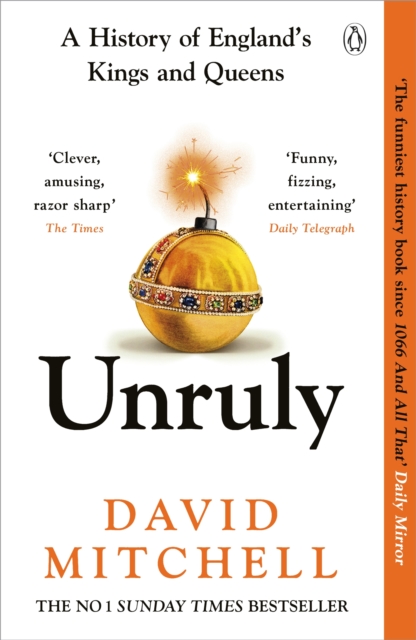
Unruly
KSh 2,150.00

The Holy Roman Empire
KSh 3,600.00
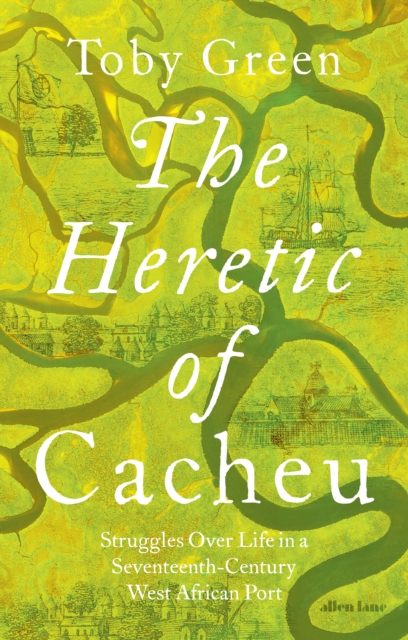
The Heretic of Cacheu
KSh 4,500.00

Tudor Church Militant
KSh 2,350.00

All Things Made New
KSh 3,050.00
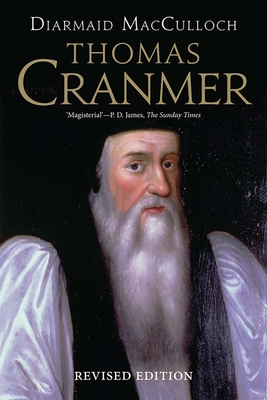
Thomas Cranmer – A Life
KSh 4,600.00

Letters on England
KSh 2,350.00
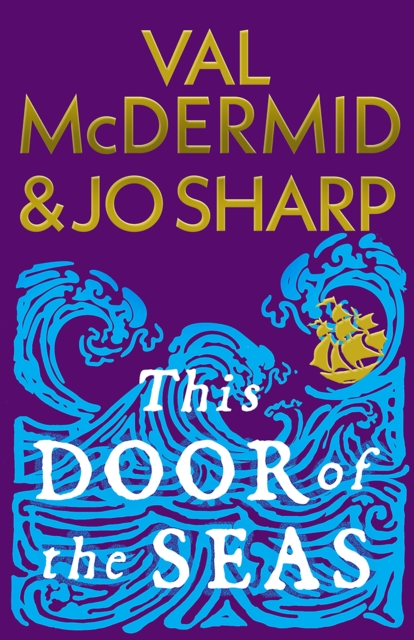
This Door of the Seas
KSh 2,150.00

We Are Green and Trembling
KSh 3,400.00
The Prince
KSh 1,450.00

Prince
KSh 2,000.00

