
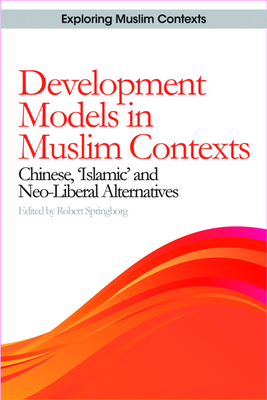
Development Models in Muslim Contexts : Chinese, 'Islamic' and Neo-liberal Alternatives
Book Details
Format
Hardback
Book Series
Exploring Muslim Contexts
ISBN-10
0748639683
ISBN-13
9780748639687
Publisher
Edinburgh University Press
Imprint
Edinburgh University Press
Country of Manufacture
GB
Country of Publication
GB
Publication Date
Sep 30th, 2009
Print length
272 Pages
Weight
974 grams
Dimensions
24.00 x 16.10 x 2.30 cms
KSh 19,800.00
Currently unavailable
0 in stock
Delivery Location
Delivery fee: Select location
Secure
Quality
Fast
This book examines the characteristics of the Chinese economic development model and its reception in Africa and Latin America. It also investigates the current competition over governance models in the Muslim world and asks which model or models will guide development in Muslim countries.
Established in London in 2002, the Aga Khan University, Institute for the Study of Muslim Civilisations aims to strengthen research and teaching about the heritages of Muslim societies as they have evolved over time, and to examine the challenges these societies face in today''s globalised world. It also seeks to create opportunities for interaction among academics, traditionally trained scholars, innovative thinkers and leaders, in an effort to promote dialogue and build bridges.
This series seeks to address salient and urgent issues faced by Muslim societies as they evolve in a rapidly globalising world. It brings together the scholarship of leading specialists from various academic fields, representing a wide range of theoretical and practical perspectives.
Recent discussions of the `Chinese economic development model'', the emergence of an alternative `Muslim model'' over the past quarter century and the faltering globalisation of the `Washington Consensus'' all point to the need to investigate more systematically the nature of these models and their competitive attractions. This is especially the case in the Muslim world which both spans different economic and geographic categories and is itself the progenitor of a development model. The `Chinese model'' has attracted the greatest attention in step with that country''s phenomenal growth and therefore provides the primary focus for this book. This volume examines the characteristics of this model and its reception in two major regions of the world --- Africa and Latin America. It also investigates the current competition over development models across Muslim contexts. The question of which model or models, if any, will guide development in Muslim majority countries is vital not only for them, but for the world as a whole. This is the first political economy study to address this vital question as well as the closely related issue of the centrality of governance to development.
This series seeks to address salient and urgent issues faced by Muslim societies as they evolve in a rapidly globalising world. It brings together the scholarship of leading specialists from various academic fields, representing a wide range of theoretical and practical perspectives.
Recent discussions of the `Chinese economic development model'', the emergence of an alternative `Muslim model'' over the past quarter century and the faltering globalisation of the `Washington Consensus'' all point to the need to investigate more systematically the nature of these models and their competitive attractions. This is especially the case in the Muslim world which both spans different economic and geographic categories and is itself the progenitor of a development model. The `Chinese model'' has attracted the greatest attention in step with that country''s phenomenal growth and therefore provides the primary focus for this book. This volume examines the characteristics of this model and its reception in two major regions of the world --- Africa and Latin America. It also investigates the current competition over development models across Muslim contexts. The question of which model or models, if any, will guide development in Muslim majority countries is vital not only for them, but for the world as a whole. This is the first political economy study to address this vital question as well as the closely related issue of the centrality of governance to development.
Get Development Models in Muslim Contexts by Robert Springborg at the best price and quality guaranteed only at Werezi Africa's largest book ecommerce store. The book was published by Edinburgh University Press and it has 272 pages.
Customers Who Bought This Also Bought
THE CLEAR QURAN- English Only2 Column LayoutPaperback
KSh 4,500.00
Lost Islamic History
KSh 2,550.00
Covering Islam
KSh 2,350.00

Muhammad: His Life Based on the Earliest Sources
KSh 3,600.00
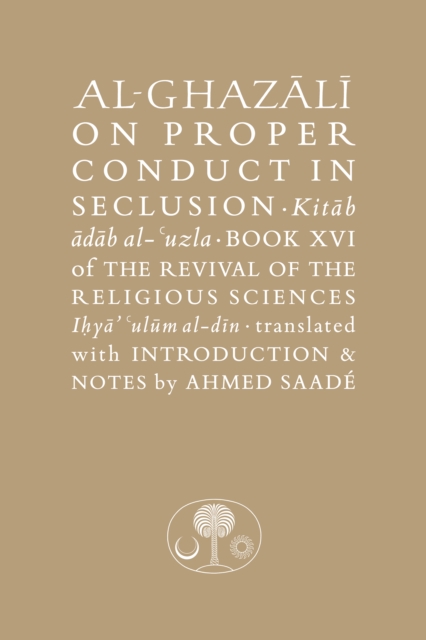
Al-Ghazali on Proper Conduct in Seclusion
KSh 3,050.00
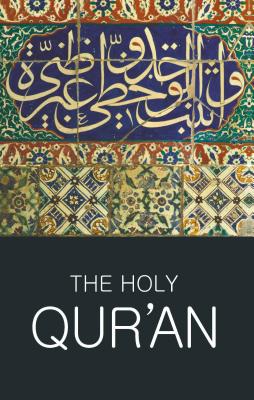
Holy Qur''an
KSh 1,350.00
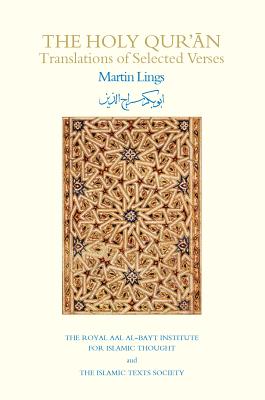
The Holy Qur''an
KSh 5,400.00
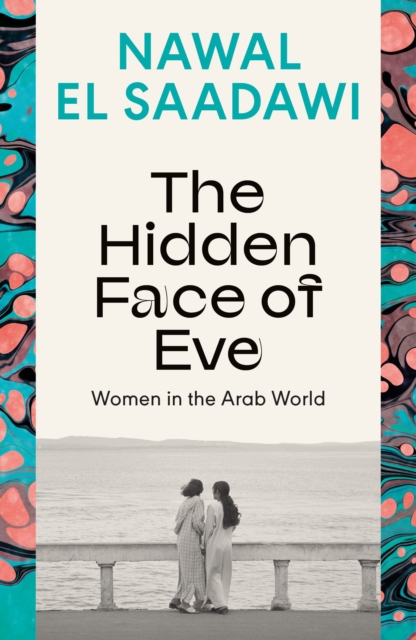
Hidden Face of Eve
KSh 2,900.00
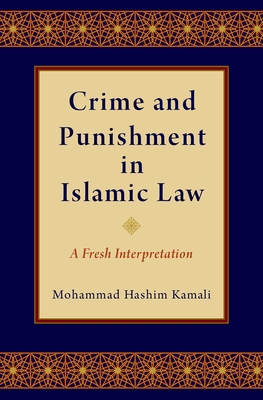
Crime and Punishment in Islamic Law
KSh 10,100.00

Walking through Fire
KSh 2,950.00
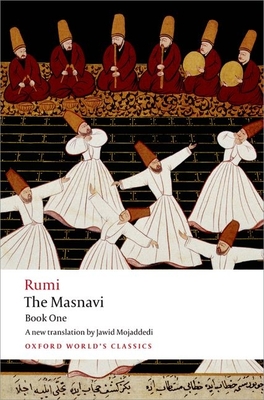
The Masnavi, Book One
KSh 1,600.00
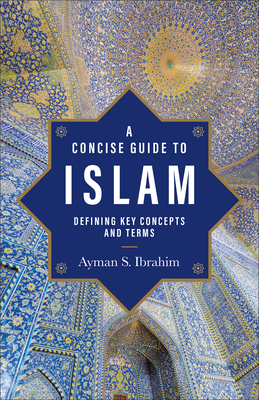
A Concise Guide to Islam
KSh 3,600.00
